Category: Health

  • Cold-Weather Cycling in Britain: How to Keep Riding Through Autumn and Winter Without Misery

    Cold-Weather Cycling in Britain: How to Keep Riding Through Autumn and Winter Without Misery

    There is a moment, usually sometime in late October, when a lot of cyclists look out at the grey drizzle, feel the 7°C bite in the air, and quietly hang the bike up until March. I understand the temptation. But I’d argue it is one of the worst things you can do, both for your fitness and your mood. With the right kit, a bit of preparation, and a small shift in attitude, winter cycling in Britain can be genuinely enjoyable. These cycling in winter UK tips are everything I wish someone had told me before my first miserable November commute.
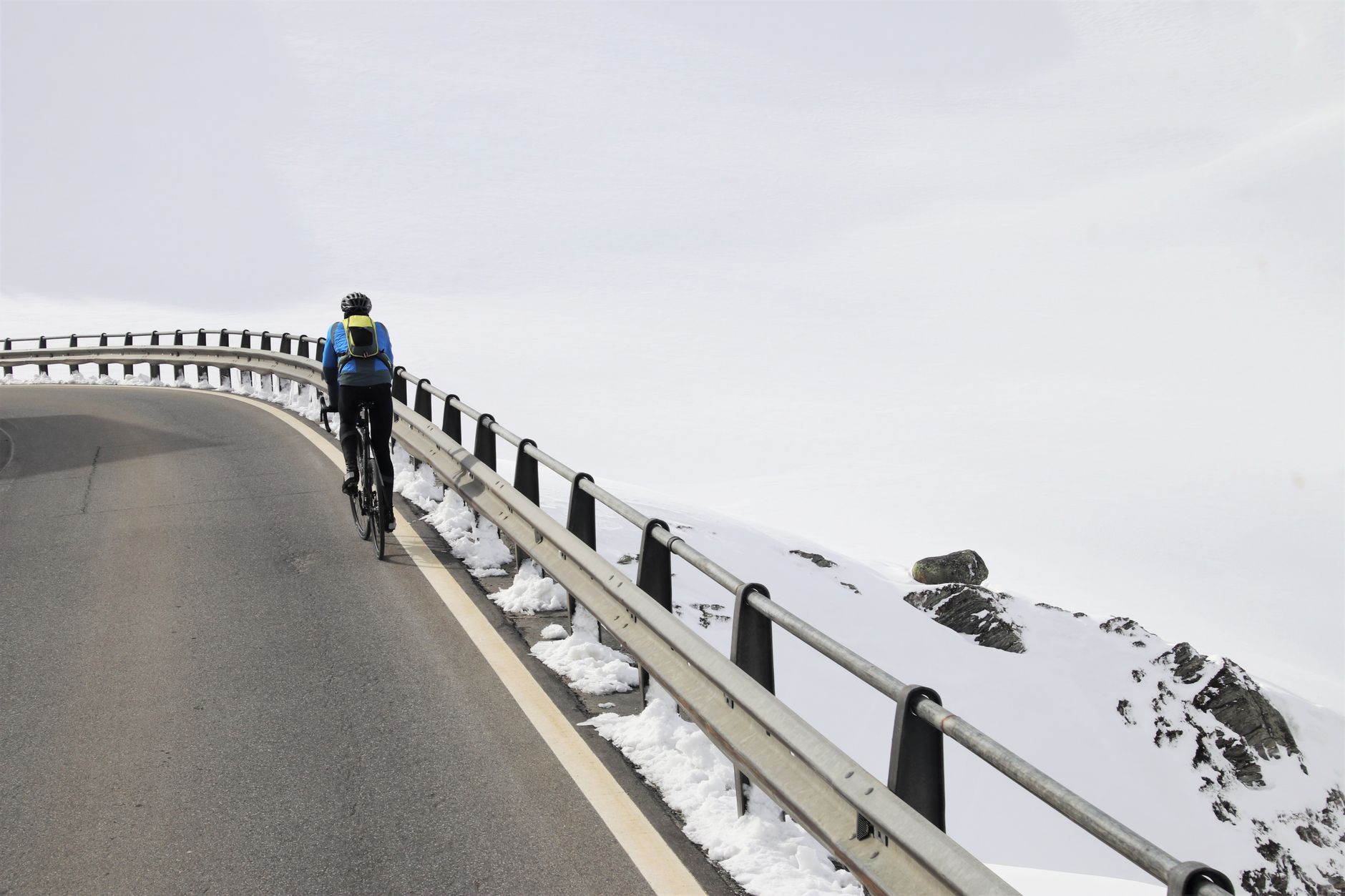
    Cyclist on a British country road in winter — cycling in winter UK tips for commuters and leisure riders
    Photo by Julita pasja1000 on Pexels

    Why stopping when the clocks go back is a mistake

    The mental-health payoff of continuing to cycle through autumn and winter is substantial. Getting outdoors and staying physically active through the darker months is one of the most reliable tools we have against the low energy and low mood that creep in from November onwards. Cycling does something running often cannot: it gets you moving with less impact on your joints, covers meaningful distances quickly, and gives you a sense of momentum that is hard to replicate at a gym. The cold air, the bare hedgerows, the empty roads early on a Sunday morning, there is a particular quality to winter riding that is genuinely its own reward once you stop dreading it.

    Layering for British winter temperatures

    Britain’s winter cycling conditions are specific. We rarely hit the deep freeze of Scandinavia, but we have persistent damp cold that sits around 3°C to 8°C on most mornings, with the wind making it feel worse. The mistake most beginners make is going too thick too soon. One heavy coat traps sweat and soaks through. Three thin, purposeful layers do the job properly.

    Start with a merino wool or synthetic base layer against your skin. It wicks moisture away and, unlike cotton, does not go cold when wet. Over that, a mid-layer fleece or thermal jersey for insulation. On top, a waterproof and windproof shell with ventilation zips under the arms. At 5°C you will be warm enough within ten minutes of riding; at 0°C, add a neck gaiter and a thin hat under your helmet. Hands and feet are where most people lose the battle. Lobster-claw gloves (two fingers together rather than separate) retain heat far better than standard cycling gloves. Thermal overshoes pulled over cycling shoes make a transformative difference for less than £20.

    Mudguards: stop being snobbish about them

    Full mudguards are the single most practical upgrade you can make to a commuter or leisure bike for winter. They keep road spray off your back, your feet, and the rider behind you. SKS Bluemels and Ass Savers Fendor Bendors are popular British choices that fit most wheel sizes. If your road bike’s geometry does not allow full guards, clip-on versions are better than nothing. The point is a wet stripe up your back before you have even reached the office is entirely avoidable. Sort the mudguards in September, not after the first wet commute when you regret everything.
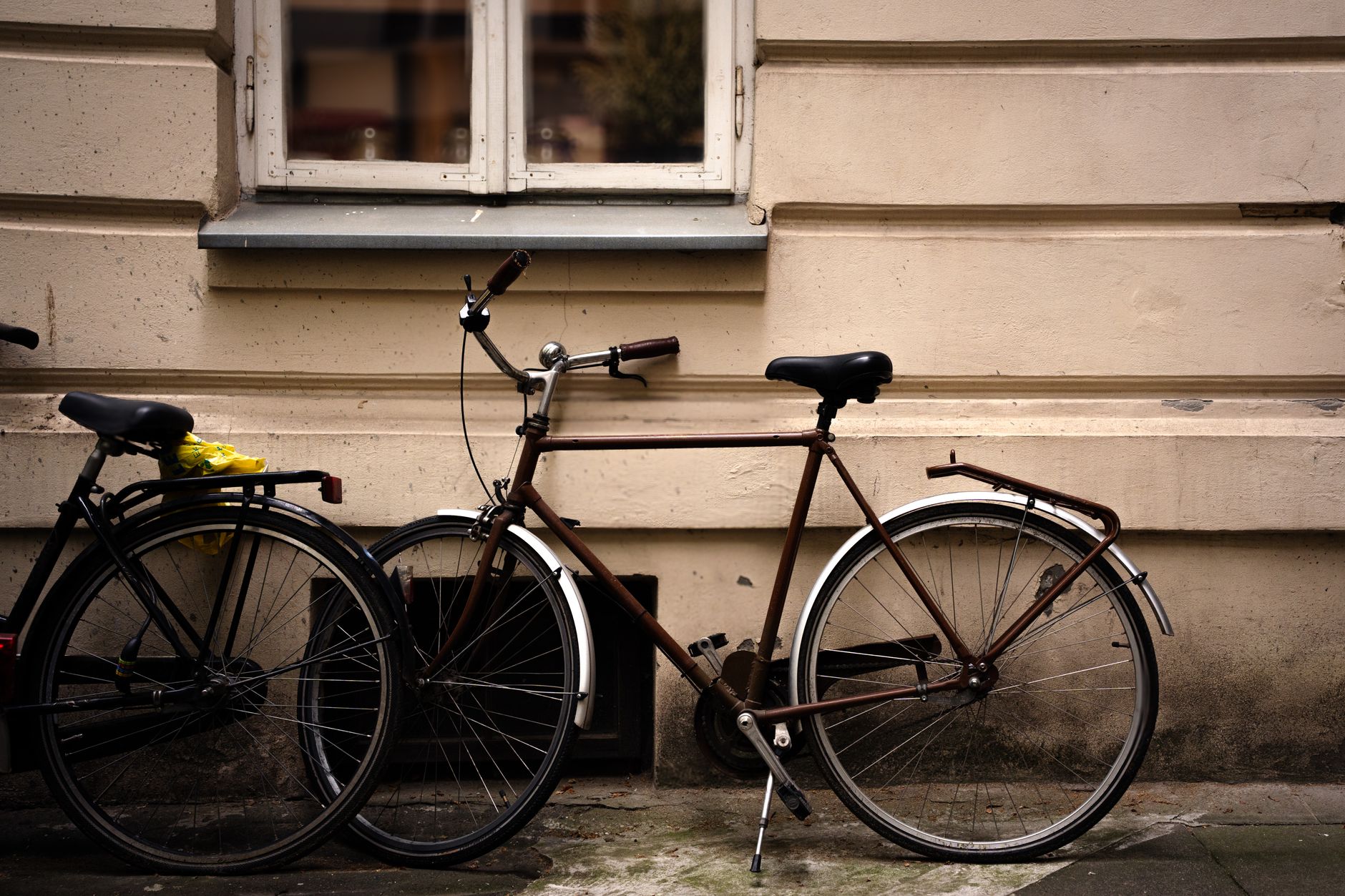
    Close-up of a bicycle mudguard fitted for winter cycling in UK conditions
    Photo by Sebastian Tyszka on Pexels

    Lights, visibility, and keeping yourself safe on dark roads

    Road safety in winter comes down largely to being seen. Under the Highway Code, cyclists must use white front lights and red rear lights after dark, and both must be visible from a reasonable distance. In practice, “reasonable” means bright. A 500-lumen front light and a 50-lumen rear flasher are sensible minimums for unlit rural roads. On lit urban streets you can step down slightly, but err on the side of more. Rechargeable USB lights have made the cost argument for dim lights obsolete, a decent set costs under £25 and lasts years.

    High-visibility clothing helps, but reflective detail on moving parts (ankles, wrists, pedals) is actually more attention-grabbing to drivers than a static hi-vis vest. Clip-on ankle bands are cheap and effective. If you are commuting through a town centre, also consider your road positioning. Holding your line confidently, rather than hugging the gutter, gives drivers room to pass properly and keeps you out of the drainage water and debris that accumulates at the road’s edge in autumn.

    Tyre choice and road surface in winter

    British roads in winter carry grit, wet leaves, and patches of standing water that hide potholes. A slightly wider tyre with a more pronounced tread pattern gives you noticeably more confidence in corners and on slick surfaces. If you currently run 25mm tyres, try 28mm or 32mm. Dropping your tyre pressure by 5–10 PSI below summer levels increases the contact patch without risking pinch flats. For anyone cycling in genuinely frosty conditions, studded tyres exist for road bikes, though for most British winters they are overkill. Good judgement is cheaper than specialist rubber.

    Recovery and looking after yourself between rides

    Winter cycling asks more of your body than summer riding. The cold means your muscles need longer to warm up and your immune system is working harder. Taking recovery seriously is what separates the cyclists who ride through to March from the ones who get ill in January and quietly give up. Sleep, hydration, and post-ride nutrition matter more in winter, not less.

    Some riders who take their wellness and recovery seriously look beyond basic stretching. Based in Nottinghamshire, HealthPod Mansfield supplies hyperbaric oxygen tanks, red light therapy beds, and recovery-focused supplements to people who want to be healthy and recover properly between training sessions. At healthpodonline.co.uk, you can see how red light therapy in particular has gained traction among endurance athletes as a tool for reducing muscle soreness and supporting overall wellness after sustained physical effort in tough conditions. If you are riding four or five days a week through a British winter and wondering why your legs feel heavier than they should, your recovery routine is worth examining as closely as your kit list.

    Keeping motivation up when it is cold and dark

    Even the most committed cyclist has mornings when the bed feels like the only reasonable option. A few things genuinely help. Riding with others is the most powerful motivator I know, it is much harder to cancel on a friend than on yourself. If you have not yet found a local cycling group, British Cycling’s club finder is a good starting point; most clubs run winter rides at a more sociable pace. Committing to a fixed route on fixed days also removes the decision from the equation. You do not negotiate with yourself; you just go.

    Short goals help too. Rather than “I will cycle all winter,” try “I will ride three times this week.” Tracking your rides on Strava or a simple notebook gives you something concrete to look back on when February feels endless. And there is a quiet satisfaction in being the person on a bike while everyone else is stuck in traffic or waiting for a bus. That feeling does not get old.

    What to eat and drink on a cold winter ride

    Your body burns more calories regulating temperature in cold weather, which means you need to fuel more carefully. On rides over 90 minutes, eat earlier and more frequently than you would in summer. Cold suppresses the feeling of thirst, so you may not notice dehydration until it has already affected your performance. Warm drinks in a flask are not a luxury, they are genuinely useful for maintaining core temperature on long leisure rides in the hills. A small thermos of tea or broth fits in a jersey pocket and makes a significant difference at a midpoint stop.

    HealthPod Mansfield also stocks a range of wellness supplements aimed at people who want to live longer and be healthy through sustained physical activity. Recovery nutrition after a winter ride should include protein within 30 minutes and something warm to bring your core temperature up. The effort of staying active through winter compounds over months; the payoff in spring fitness is real and measurable.

    Staying on the bike through autumn and winter is one of those habits that looks hard from the outside and feels straightforward once you are doing it. The kit investment is modest. The mental and physical returns are significant. And the roads, honestly, are quieter. Get the mudguards on, charge the lights, and go.
  • How to Actually Use Your GP Surgery Properly in 2026, Beyond Just Booking an Appointment

    How to Actually Use Your GP Surgery Properly in 2026, Beyond Just Booking an Appointment

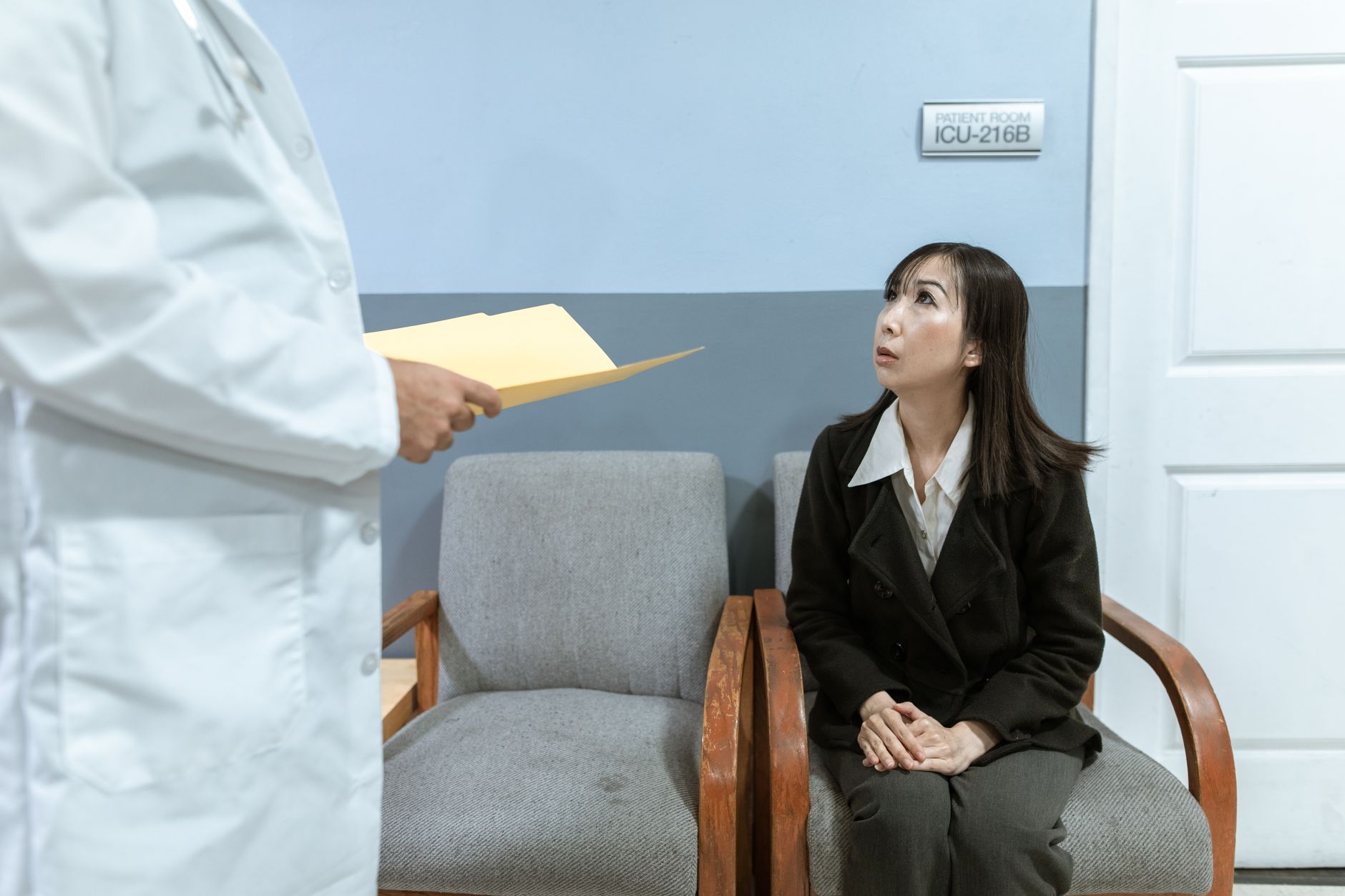
    If you’ve felt adrift at your GP surgery lately, you’re not alone. The system has changed considerably over the past few years, and what worked in 2019, ringing at 8am, hoping for the best, doesn’t really reflect how NHS primary care 2026 actually operates. New tools, new services, and a genuinely different philosophy around who you see and when mean there’s quite a lot to get to grips with. I’ve spoken to people who’ve missed out on help they were entitled to simply because they didn’t know it existed. This guide is for them.

    NHS primary care 2026 — a modern GP surgery waiting room in England
    Photo by RDNE Stock project on Pexels

    Online triage: what it is and why it’s worth using

    Most GP surgeries in England now use some form of online triage, systems like Florey or Patchwork Health’s platform, or the NHS’s own tools accessible through the NHS App. You fill in a short form describing your symptoms, and the surgery decides how to respond: a same-day call, a routine appointment, a message back from a pharmacist, or a referral elsewhere. It sounds impersonal, and I understand why some people resist it. But in practice, it often gets you help faster than a phone queue.

    The NHS App itself has expanded considerably. If you haven’t explored it recently, there are features most people in England are still ignoring, including the ability to see your medical record, manage repeat prescriptions, and receive messages directly from your surgery. Worth ten minutes of your time.

    One thing I’d strongly suggest: be specific in triage forms. “I’ve had a cough” will get a very different response than “I’ve had a productive cough for three weeks, I’m a 54-year-old non-smoker, and I’m also losing weight without trying.” The more clearly you describe what’s happening, the more accurately the system can route you to the right person.

    Pharmacy-first: your GP isn’t always the right first stop

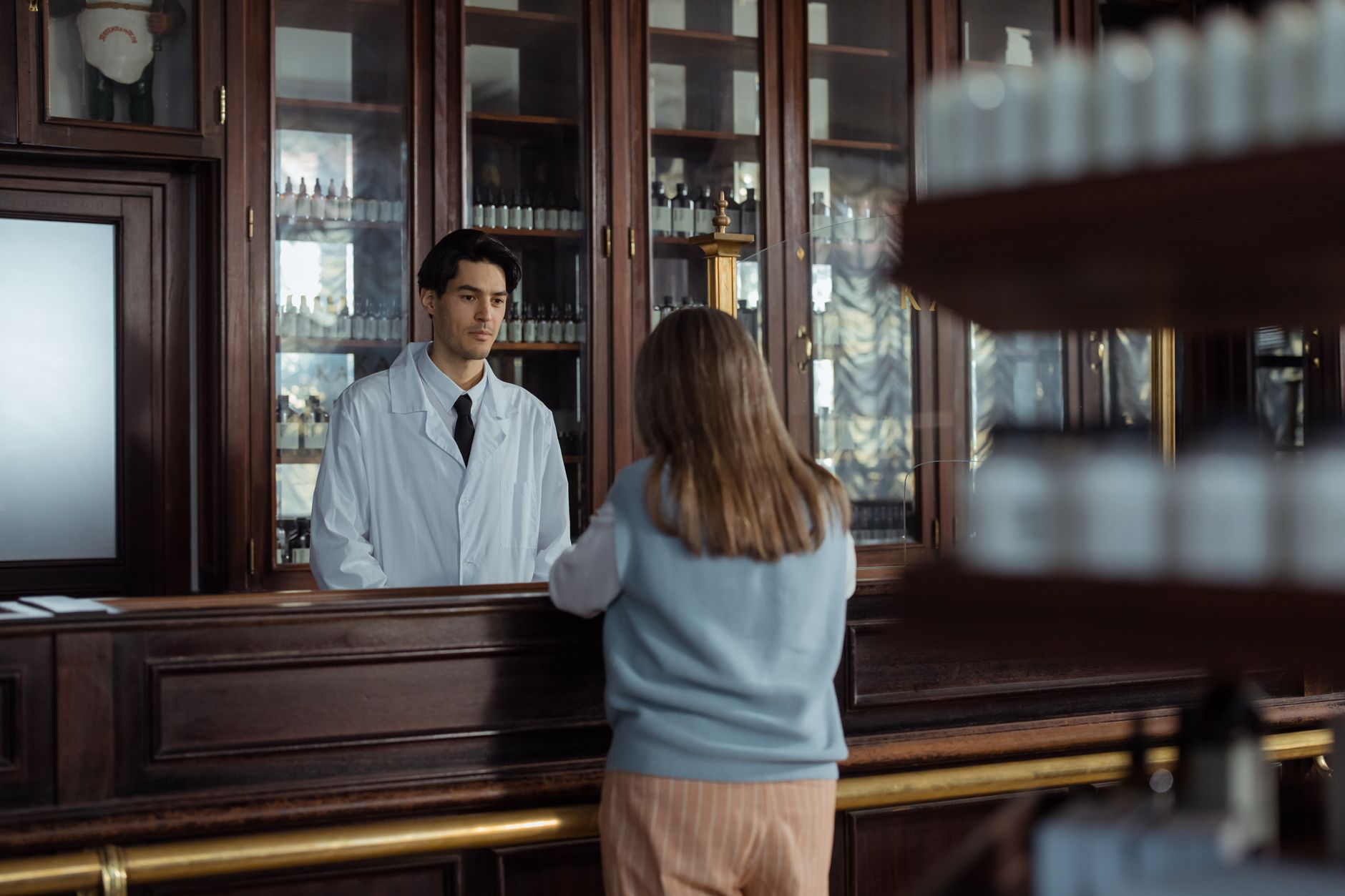
    Since early 2024, the Pharmacy First scheme has been running across England, allowing community pharmacists to assess and treat seven common conditions without a GP referral. These include sinusitis, sore throat, earache, infected insect bites, impetigo, shingles, and uncomplicated urinary tract infections in women. Your local pharmacy can prescribe antibiotics for several of these. This is a proper clinical service, not just advice over the counter.

    I’d encourage anyone dealing with one of those conditions to walk into their pharmacy first rather than fighting for a GP appointment. It frees up surgery capacity for more complex needs, and you’ll often be seen and treated within the same hour. The NHS Pharmacy First page lists participating pharmacies and exactly what they can treat, worth bookmarking.

    Pharmacy First service as part of NHS primary care 2026 — pharmacist advising a patient
    Photo by cottonbro studio on Pexels

    Making the most of a short consultation

    GP appointments are typically ten minutes. That’s not a lot of time, and walking in unprepared can mean you leave without addressing what actually matters to you. A few things I’ve found genuinely useful:

    Write down your main concern before you go, not a list of fifteen things, but the one or two that matter most. Lead with it. Doctors are trained to address the presenting problem; if you spend the first eight minutes on something minor and then mention your chest pains as you’re leaving, that’s not an ideal outcome for anyone.

    If you’ve got multiple issues, say so at the start: “I’ve got two things I’d like to cover today if possible.” This lets the GP manage the time consciously. They may book a follow-up for the second issue, but at least you’ve flagged it.

    Bring a list of any medications you’re currently taking, including supplements and anything bought over the counter. And if you’re anxious or worried you’ll forget what was said, it’s entirely reasonable to ask whether you can take a brief note or check the summary in your NHS App afterwards.

    Social prescribing: the service your GP might offer that isn’t a pill

    This one surprises a lot of people. Social prescribing is a system where GP surgeries connect patients with community-based support, things like volunteering programmes, art groups, befriending services, debt advice, gardening projects, and exercise classes. Your surgery may have a dedicated link worker whose sole job is to help you access these kinds of resources.

    It’s particularly relevant for loneliness, low mood, stress, and the kind of general malaise that doesn’t fit neatly into a clinical diagnosis. I’d argue it’s one of the more thoughtful developments in primary care in recent years. If you mention to your GP that you’re struggling more broadly, not just with a specific physical symptom, ask whether there’s a social prescribing link worker you could speak to.

    Similarly, if you’re finding it hard to manage on your current income, energy costs, or housing situation, your surgery may be able to point you somewhere useful. We’ve written before about understanding your energy bill and challenging unfair charges, the kind of stress that energy bills cause has a genuine impact on health, and GPs are increasingly aware of that link.

    When to ask for a different kind of help

    Your GP surgery is not the only door into NHS primary care. Physiotherapy services in many areas now accept self-referrals, you don’t need a GP letter to get an initial assessment for a musculoskeletal problem. Similarly, many NHS talking therapies services (often branded as Improving Access to Psychological Therapies, or IAPT) allow self-referral online. Mental health support groups, weight management services, and smoking cessation clinics run through your council and the NHS both accept direct contact.

    It takes a bit of confidence to navigate all this, I know. But my honest take is that the more you understand what’s available, the less daunting the whole thing becomes. And you become a more effective advocate for yourself, which, in a stretched system, genuinely matters.

    On that note: if you’re trying to understand how any digital service works more clearly, whether that’s a council portal, an NHS tool, or anything else, good design makes a huge difference. Companies like Search Engine Tuning help organisations make sure their online presence is structured clearly and findable, which matters enormously when people are searching for health information under pressure.

    Staying registered and keeping your details current

    One practical point that often gets overlooked: make sure you’re registered at a surgery you can actually reach, and that your contact details are up to date. If you’ve moved recently, even within the same postcode area, your surgery may not know. Appointments and test results sent to an old mobile number or email address disappear into the void. Check your registration details annually, it takes two minutes through the NHS App or a quick call to reception.

    If you’re struggling to register with a GP at all (this affects people who’ve recently moved, those without a fixed address, and some asylum seekers), the NHS guidance is clear that surgeries cannot refuse registration on the basis of your postcode alone. Citizens Advice can help if you’re being turned away unfairly.

    The system isn’t perfect. But knowing how it works puts you in a much better position to use it well. And there’s real support out there, much of it quiet, much of it underused. Go and find it.

    Frequently Asked Questions

    How does online GP triage work in 2026?

    Most surgeries now use a digital form, accessed via the NHS App or their own website, where you describe your symptoms. The surgery reviews your answers and decides the most appropriate response: a phone call, an in-person appointment, a pharmacist consultation, or a message. It often gets you seen more quickly than ringing at 8am and waiting in a queue.

    What conditions can a pharmacist treat under Pharmacy First?

    Under the Pharmacy First scheme in England, pharmacists can assess and treat sinusitis, sore throat, earache, infected insect bites, impetigo, shingles, and uncomplicated urinary tract infections in women, including prescribing antibiotics where appropriate. You don’t need a GP referral; just walk into a participating pharmacy.

    What is social prescribing and how do I access it?

    Social prescribing connects patients with community-based support, volunteering, exercise groups, debt advice, befriending services, rather than clinical treatment. Ask your GP whether there’s a link worker at your surgery; they can arrange a referral. It’s particularly helpful for loneliness, mild anxiety, and circumstances affecting your general wellbeing.

    How do I make the most of a ten-minute GP appointment?

    Come prepared with your one or two main concerns written down, and mention upfront if you have more than one issue so the GP can manage time accordingly. Bring a list of your current medications, and be as specific as possible about your symptoms, when they started, how often, and how they’ve changed. You can always check a summary of what was discussed in your NHS App afterwards.

    Can I refer myself to physiotherapy or talking therapies without seeing a GP first?

    In many areas of England, yes. NHS physiotherapy services increasingly accept self-referrals for musculoskeletal problems, and NHS talking therapies (previously IAPT) allow you to refer yourself online without a GP letter. Search for your local service on the NHS website to check eligibility and availability in your area.

  • Understanding Your NHS App: The Features Most People in England Are Ignoring

    Understanding Your NHS App: The Features Most People in England Are Ignoring

    There is a decent chance you downloaded the NHS App during the pandemic, used it to get your vaccine certificate, and then promptly forgot it existed. You are not alone. According to NHS England, the app has over 34 million registered users, yet the vast majority of people are using it for one or two things at most, usually booking a GP appointment or ordering a repeat prescription. The rest of what it can do sits there, quietly, waiting to be discovered. I had a proper look through it recently and was genuinely surprised at how much useful functionality is just sitting there unused.

    Man using NHS App features on his smartphone at home
    Photo by Kampus Production on Pexels

    What the NHS App actually does in 2026

    The NHS App is free, available on iOS and Android, and accessible via browser at nhs.uk/nhs-app. It links directly to your GP surgery and, increasingly, to NHS services beyond your practice. Here is a proper rundown of what it can do once you have verified your identity and logged in.

    View your GP health record. This is the one that genuinely surprises people. You can read your coded record, which includes diagnoses, medications, allergies, immunisations, and test results. Some practices also allow access to your full consultation notes, meaning you can go back and read exactly what a GP recorded during an appointment. If you have ever left a surgery wondering what was written down, this is how you find out.

    Order repeat prescriptions. Most people know this one, but fewer realise you can nominate a specific pharmacy to collect from, track whether your prescription has been prepared, and see exactly what is on your repeat list. If your medication has been removed from your repeat without you being told, the app will show you.

    Manage referrals. Through the NHS e-Referral Service, which is built into the app, you can view referrals your GP has made, choose a hospital or clinic, and book your outpatient appointment. No waiting for a letter. No phoning a number that rings out. My own experience with this was a revelation: I had a referral sitting there for three weeks that I had no idea about, because the letter had gone to an old address. I could have booked it in the app the same day my GP sent it.

    Viewing GP records through NHS App features on a phone
    Photo by RDNE Stock project on Pexels

    The health admin features that genuinely save time

    Proxy access. If you care for an elderly parent, a child, or someone who struggles with technology, you can apply to manage their NHS App account on their behalf. This is called proxy access. It requires sign-off from the GP surgery but once it is set up, you can handle prescriptions, view records and book appointments for the person you care for. Given that millions of people in the UK provide informal care on top of their own lives, this feature could save an enormous amount of time and reduce a lot of anxiety.

    NHS 111 online. Rather than phoning 111 and sitting on hold, the app gives you a direct route into the 111 online symptom checker, which can triage your situation and direct you to the right service, whether that is your GP, an urgent treatment centre, a pharmacy, or A&E. It is not a replacement for emergency services, but for the grey zone of health worries at 10pm on a Sunday, it is genuinely useful.

    Your Summary Care Record. This is a condensed version of your health information that any NHS clinician across England can access when treating you, with your permission. It includes current medications, allergies, and any adverse reactions. If you are admitted to hospital in an area where your GP practice is not, the treating team can pull this up instantly. You can view it yourself through the app, and crucially, you can see who has accessed it.

    There is also a growing library of approved health apps linked from within the NHS App itself. These cover mental health, physiotherapy exercises, long-term condition management, and more. Some are available on prescription, meaning your GP can refer you to them at no cost to you. Worth a look if you are managing something like anxiety or a musculoskeletal issue.

    Getting your identity verified properly

    The most common reason people cannot access their records or prescription management is that they have not completed identity verification. The app uses a system called NHS Login, and there are different levels of verification. Basic login gives you limited access. Full access, which lets you see your GP record and manage referrals, requires a higher verification level. You can do this via photo ID and a face scan, or your GP surgery can link your NHS login to their system directly. If you are stuck at a basic access level and cannot work out why, ring your surgery and ask them to check whether your NHS login is linked to your NHS number on their system. It is a five-minute fix that unlocks everything.

    If you are interested in the broader picture of managing your health outside the GP surgery, including complementary approaches and wellness clinics, HealthPod Mansfield is one example of a private health facility offering services that sit alongside conventional NHS care.

    Why this matters more than you might think

    There is something quietly important about understanding what your health record actually says. GPs are brilliant but they are under enormous pressure. Errors creep into records. Allergies get missed. A medication you stopped taking years ago might still be listed as current. When you can see your own record, you become a more active participant in your own care, and that is genuinely good for outcomes.

    The same principle applies to the energy bill comparison I made when writing about understanding your energy bill and challenging unfair charges. In both cases, the information belongs to you, and accessing it is simply a matter of knowing where to look. The NHS App puts your health information in your hands in a way that was unimaginable even ten years ago. It would be a shame to leave it sitting on your phone, used only for booking jabs.

    If you find yourself taking a more active interest in your overall wellbeing, whether that is through the app, getting outside more, or joining a running club for the mental health benefits, the common thread is the same: small steps, consistent effort, and knowing what tools you actually have available. The NHS App is one of those tools. It is free, it is yours, and it is worth ten minutes of your time to explore it properly.

    Frequently Asked Questions

    Is the NHS App available to everyone in England?

    The NHS App is available to anyone aged 13 or over who is registered with a GP practice in England. It is free to download on iOS and Android, and can also be accessed via a web browser. Scotland, Wales, and Northern Ireland have their own separate NHS apps with different functionality.

    How do I view my GP records on the NHS App?

    Once you have set up an NHS login and completed identity verification, you can access your GP health record through the app under the ‘Health Record’ section. You will need full verification, not just a basic login, to see your coded record. If this is not working, ask your GP surgery to link your NHS login to your NHS number.

    Can I book hospital appointments through the NHS App?

    Yes, through the NHS e-Referral Service within the app, you can view any referrals your GP has made and book your own outpatient appointment at a hospital or clinic of your choice. This removes the need to wait for a letter or phone a hospital booking line.

  • Why Joining a UK Running Club Is One of the Best Things You Can Do for Your Mental Health in 2026

    Why Joining a UK Running Club Is One of the Best Things You Can Do for Your Mental Health in 2026

    There’s a moment that most runners describe in almost exactly the same way. You turn up to a local running club for the first time, slightly nervous, possibly in trainers you bought three years ago and never quite broke in. Someone says hello before you’ve even found the sign-in sheet. By the end of the session, you’ve laughed at something, learnt someone’s name, and felt genuinely better than you did an hour ago. Not just physically. Something else shifts too.

    Joining a running club in the UK has quietly become one of the most accessible routes to better mental health going. And in 2026, with GP waiting lists still stretched and the cost of private therapy putting many people off, that matters more than ever. I’ve spoken to runners across different clubs and parkrun communities from Edinburgh to Exeter, and the story is remarkably consistent: the miles help, but the people help more.

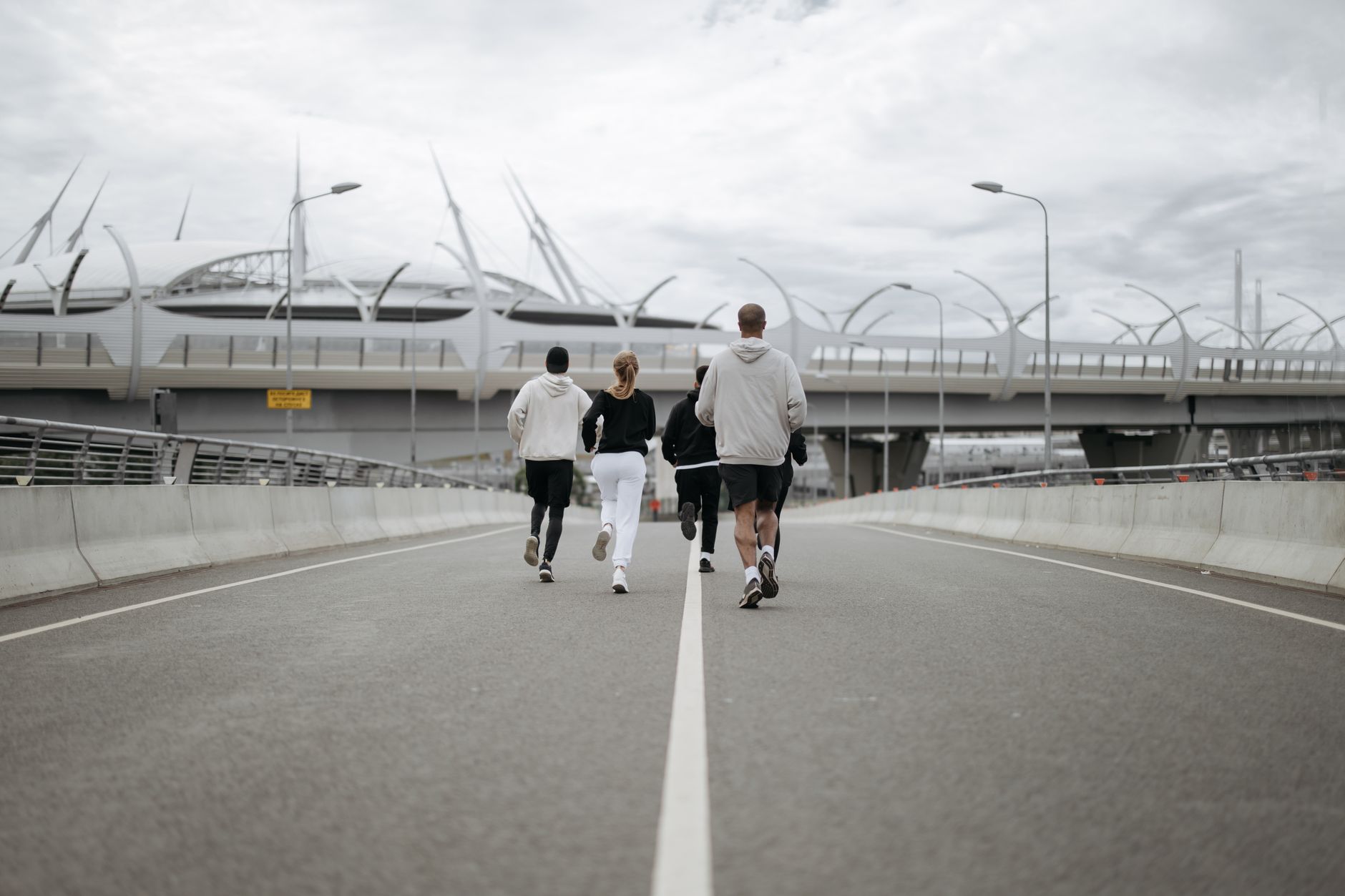
    Group of people running together in a UK park, illustrating the social benefits of joining a running club for mental health
    Photo by cottonbro studio on Pexels

    What the NHS actually says about running and mental health

    The NHS is fairly clear on this. Its guidance on exercise for depression notes that regular physical activity can be as effective as antidepressants for mild to moderate depression in some people. Running, in particular, triggers the release of endorphins and serotonin, the brain’s own mood-regulating chemicals. But the NHS goes further than the biochemistry. Social connection, it points out, is a separate and equally important factor. Group exercise gives you both at once.

    That combination is why joining a running club in the UK for mental health reasons is genuinely worth taking seriously, rather than treating it as a secondary benefit to getting fitter. For many people who’ve joined clubs, the fitness followed the mood improvement, not the other way around.

    Parkrun: the gateway that changed everything

    You can’t discuss running culture in Britain without parkrun. Every Saturday morning, around 200,000 people across the UK walk, jog, and run 5 kilometres in their local parks, completely free of charge. It is one of the most extraordinary community movements this country has produced, and it started with a handful of people in Bushy Park in 2004.

    What makes parkrun special, beyond the obvious accessibility, is the culture. Tail walkers make sure nobody finishes last. Volunteers outnumber participants at some events. First-timers get a specific welcome briefing. The result is an environment where a 20-minute runner and a 40-minute walker finish the same event and feel equally celebrated. I’d argue that sense of genuine inclusion is rarer than it should be in sport, and it’s one of the reasons parkrun has become a genuine mental health resource. Some NHS surgeries now prescribe it as part of social prescribing schemes.

    Local running clubs and why they’re worth the slight awkwardness of joining

    Parkrun is the front door. A local running club is the living room. Most clubs in the UK are affiliated with England Athletics, Welsh Athletics, or their Scottish and Northern Irish equivalents, and they cater for every ability. The notion that running clubs are for fast people in Lycra is, thankfully, increasingly out of date.

    Clubs like Serpentine Running Club in London, Harriers groups in cities like Leeds and Birmingham, and hundreds of smaller community clubs in market towns across England have beginners’ groups that go out at comfortable conversational paces. The emphasis on talking whilst running is not incidental. It’s one of the things that makes group running psychologically distinct from solo exercise. You can’t ruminate on your anxieties when you’re explaining to someone that yes, you did once try to run a half marathon on two weeks’ training.

    The social side: why it goes beyond the run itself

    Ask anyone who’s been a club member for more than a few months and they’ll tell you the run is almost the secondary part. There are post-run coffees, WhatsApp groups, race-day supporters who come out to cheer you even when they’re not running, and the particular shared language of people who’ve done hard things together in bad weather.

    Loneliness is a significant public health concern in the UK. The Campaign to End Loneliness estimates that around 3.83 million people in England alone experience chronic loneliness. Running clubs don’t solve that on their own, but they create genuine repeated social contact with the same people, which is what actually builds connection. Not one-off events; regular, low-stakes meetings where you see the same faces and build something gradually.

    I’ve seen this play out with people who relocated to a new town and found their entire social circle through a club within six months. I’ve also seen it work for people coming out of difficult periods, divorce, bereavement, long illness, who needed structure and company without pressure. A run is not a therapy session. But it gives you the same rhythm, the same regularity, and often a remarkably similar sense of being heard.

    If you’re already thinking about how to get more involved in your local community more broadly, our piece on how to start volunteering in the UK covers other routes into exactly this kind of meaningful local connection.

    Getting started when you don’t feel ready

    The most common reason people don’t join a running club is that they feel they’re not good enough yet. They plan to get a bit fitter first, and then join. This is, affectionately, complete nonsense. Every club has beginners. Many clubs run Couch to 5K style programmes, particularly in January and September. You do not need to be able to run 5 kilometres before you turn up.

    The England Athletics club finder lets you search by postcode and filter by the type of running they focus on. Most clubs have a free trial session or two before asking for a membership fee, which typically runs between £20 and £60 a year, genuinely one of the better value social memberships available. Compare that to gym membership and the maths are stark.

    If you’re not ready for a club yet, parkrun is the obvious starting point. Show up at 9am on a Saturday, register for free online in advance, and walk the whole thing if you need to. Nobody will say a word except to encourage you.

    Running, place, and what it means to be British outdoors

    There’s something distinctly British about insisting on running in the rain and enjoying it, or at least pretending to. The running community here has a particular relationship with weather, seasons, and the outdoors that I find genuinely endearing. Clubs run through December. Parkrun goes ahead in the frost. There’s a shared commitment to being outside regardless of what the Met Office has to say about it.

    That connection to place matters psychologically. Studies in environmental psychology consistently show that outdoor exercise produces greater mood improvements than indoor exercise. Running along a canal towpath, through a municipal park, or across a common links you to your surroundings in a way that a treadmill simply doesn’t. It’s one of the reasons I always think of Britain’s coast and countryside as part of the same conversation about wellbeing, not a separate subject.

    We’re a country with a habit of underselling our communal spaces and the communities built around them. The allotment movement, the board game café revival, the hedgerow walkers, and yes, the runners gathering at dawn on a Saturday morning in parks across Britain: these are all expressions of the same instinct to be together, outdoors, doing something real. Joining a running club in the UK for your mental health isn’t a trendy wellness choice. It’s one of the oldest, most straightforwardly human things you can do.

    And someone will definitely say hello before you find the sign-in sheet.

    Frequently Asked Questions

    Does joining a running club actually help with anxiety and depression?

    The NHS recognises regular aerobic exercise as an effective tool for managing mild to moderate depression and anxiety. Running in a group adds a social component that amplifies those benefits, giving you both the biochemical effects of exercise and the psychological lift of genuine human connection.

    How do I find a running club near me in the UK?

    England Athletics has a free club finder on their website where you can search by postcode and filter by club type. Most clubs offer a free trial session or two before you need to commit to a membership fee, which typically costs between £20 and £60 a year.

    What is parkrun and is it suitable for beginners?

    Parkrun is a free, weekly 5km community event held every Saturday morning in parks across the UK. You register once at parkrun.org.uk and can attend any event anywhere. It’s genuinely open to all abilities, including walkers, and has a tail walker who ensures no one finishes alone.

    Do I need to be able to run 5km before joining a club?

    No. Most UK running clubs welcome complete beginners, and many run structured beginner programmes similar to Couch to 5K. Turning up before you feel ready is, counterintuitively, exactly the right time to join.

    Is outdoor group running better for mental health than going to the gym?

    Research in environmental psychology consistently shows that outdoor exercise produces greater mood improvements than indoor exercise. Combine that with the social aspect of a running group and the benefits stack up in a way that a solo gym session simply can’t replicate.