There is something quietly thrilling about the moment you realise that proper hills are not just for people in expensive fleeces who talk about Ordnance Survey maps at dinner. I used to think fell walking was somebody else’s hobby. Then a friend dragged me up Loughrigg Fell on a drizzly Saturday in October, and I came back a completely different person. The views, the effort, the cake at the bottom: all of it. If you have never laced up a pair of boots beyond a park stroll, this guide is genuinely for you. Fell walking for beginners in the Lake District is more accessible than you think, and the Cumbrian fells are one of the finest places in Britain to start.
Why the Lake District is perfect for your first fell
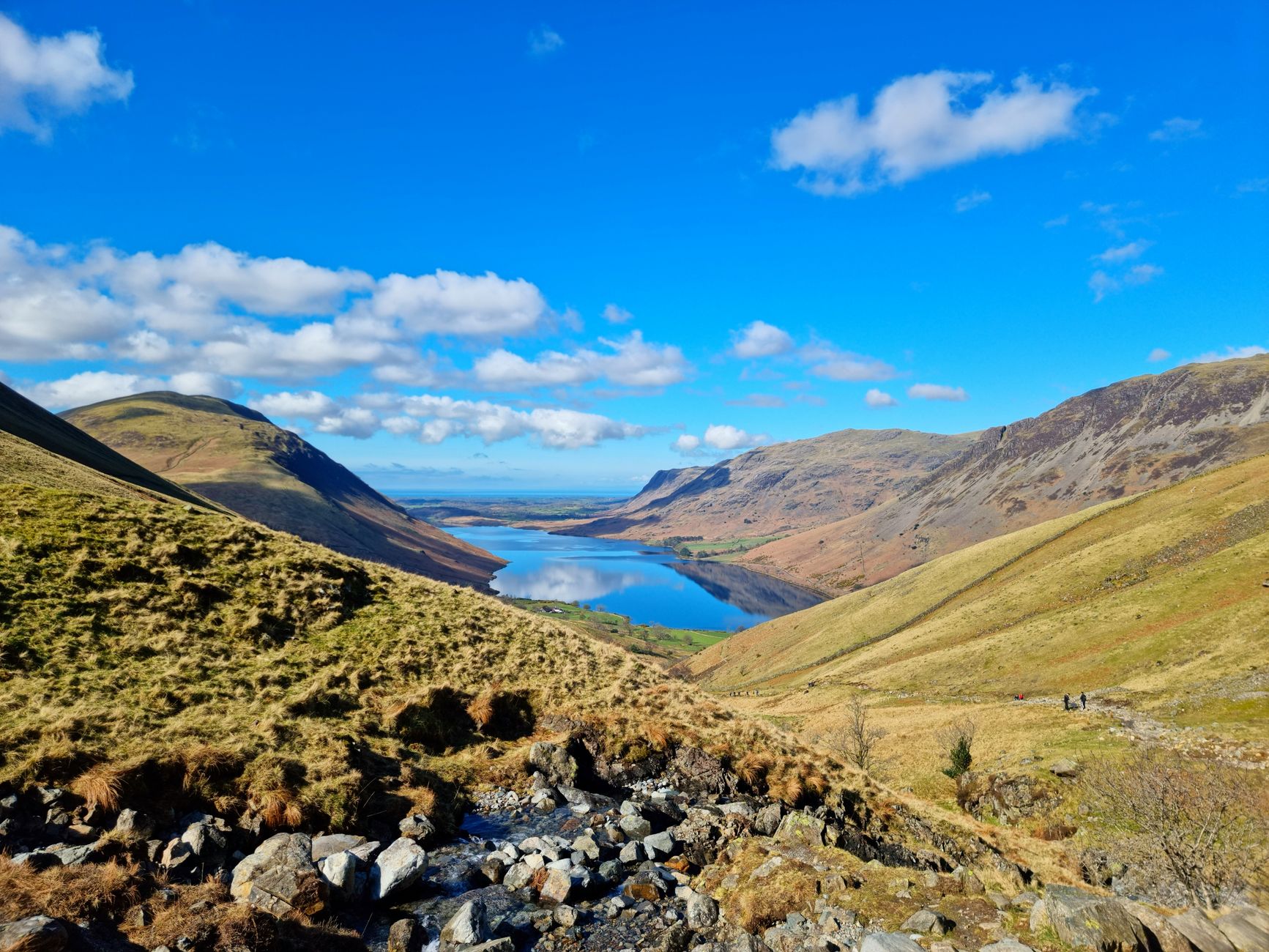
The Lake District National Park covers roughly 2,362 square kilometres of northern England and holds some of the most varied walking terrain in the country. Crucially for beginners, it also holds some of the gentlest. You do not have to tackle Scafell Pike on day one. The park has well-marked paths, regular villages, and a culture of walkers that means you will never feel out of place asking someone whether you are heading the right way. The National Park Authority publishes free walking route suggestions on its website, ranging from short, flat lakeside circuits to longer ridge routes, and that is genuinely the best first stop before planning anything.
Start here: three beginner-friendly routes
My honest advice is to resist the urge to aim high on your first outing. Choose something short, popular, and well-walked, so you build confidence before you build altitude.
Loughrigg Fell sits between Ambleside and Grasmere and reaches 335 metres. The ascent from Rydal Water takes about an hour and the panorama at the top is genuinely disproportionate to the effort. Thousands of first-timers do this one every year, which means the path is easy to follow and you are rarely alone.
Catbells, above Derwentwater near Keswick, is 451 metres and probably the most-loved beginner fell in the entire Lake District. The ridge walk is narrow in places but never technical, and the views across Borrowdale are the kind that make people ring their families to describe them.
Silver How above Grasmere is quieter than Catbells but equally kind to new legs. It tops out at 395 metres and rewards you with a broad, grassy summit that feels far wilder than it has any right to at that height.
What kit do you actually need, and what will it cost?
You do not need to spend a fortune, but you do need the right basics. Fell terrain is uneven, often wet, and the weather in Cumbria changes fast. Here is a realistic starter list with approximate costs in 2026.
Waterproof walking boots: This is the one area where skimping genuinely hurts. A decent pair of low-to-mid-cut walking boots with ankle support will run you between £70 and £130. Brands like Berghaus, Merrell, and Salomon all have solid entry-level options widely stocked at outdoor shops like Cotswold Outdoor or GO Outdoors. Wear them for a week before your first fell day to avoid blisters.
Waterproof jacket: A breathable, taped-seam waterproof is essential. Budget around £60 to £100 for something that will actually keep you dry rather than just damp for longer. Regatta and Craghoppers both make reliable jackets at this price point.
Base layer and mid layer: A moisture-wicking base layer (£20 to £40) and a fleece or softshell mid layer (£30 to £60) cover almost every summer and autumn day on the fells.
Rucksack: A 20 to 25 litre pack is plenty for a day walk. Osprey and Deuter make excellent options around £50 to £80. You want something comfortable enough that you forget it is there.
Navigation: Download the OS Maps app before you go. A subscription is around £24 a year and gives you full 1:25,000 Ordnance Survey maps for offline use. Knowing where you are on a fell, without needing a phone signal, is not optional.
Other essentials: A small first aid kit (£10 to £15), a head torch (£15 to £25), a whistle (around £3), and enough water and food for the full day. A good thermos of tea is, in my view, non-negotiable.
Safety basics from Mountain Rescue guidance
Mountain Rescue England and Wales respond to thousands of callouts every year, and a significant proportion involve walkers who were simply underprepared for conditions. This is not meant to frighten you off the fells; it is meant to reassure you that a few simple habits keep the vast majority of incidents from happening in the first place.
Check the weather before you leave. The Met Office Mountain Forecast is specifically tailored to upland conditions and gives wind, temperature, and precipitation forecasts for different altitude bands. Do not rely on the general regional forecast, which can look fine whilst the tops are in thick cloud and gale-force gusts.
Tell someone your plan. Leave a note or a text with a friend or family member: where you are going, which route, when you expect to be back, and what to do if they have not heard from you by a set time. This single habit has saved lives.
Turn back if conditions change. There is no shame in it. The fell will be there next weekend. Mountain Rescue volunteers, who give their time freely, would rather you returned with a slightly bruised ego than needed rescuing in deteriorating visibility.
Learn the distress signal: six whistle blasts, or six torch flashes, repeated at one-minute intervals. The response is three blasts or flashes.
Stay on the path at first. As a beginner, the path is your friend. Experienced walkers sometimes navigate across open fell, but until you are confident reading a map and the terrain, the worn track keeps you oriented and reduces the chance of a slip on loose ground.
The social side: you do not have to go alone
One of the nicest things about fell walking is that it slots naturally into a broader culture of getting outside together. If you are nervous about heading up solo, there are walking groups across Cumbria and the wider north of England that welcome absolute beginners. The Ramblers Association has local groups throughout the Lake District and beyond, and many of them run low-level introductory walks specifically for people who are new to the hills.
There is something quite wonderful about how walking opens people up. I have had better conversations on a wet ridge than I have managed in years of sitting indoors. If you are already thinking about the broader benefits of getting involved in community activities and shared outdoor pursuits, our piece on why joining a UK running club does remarkable things for your mental health is worth a read, and many of the same principles apply to walking groups. The accountability, the companionship, the sense of doing something real together.
After the walk: why this becomes a habit
I have spoken to dozens of people who started fell walking later in life, often after a friend or partner nudged them onto a gentle route, and almost none of them stopped after one day. The Lake District has a way of getting into you. You start thinking about the next fell before you have finished descending the first one. You find yourself looking at maps on a Tuesday evening, planning weekend routes.
That kind of connection to the British landscape is something we celebrate a lot on this blog, whether it is learning to read a hedgerow or understanding what the countryside quietly gives back to you. The fells are part of the same story. They belong to all of us, and they are waiting.
If you are planning an autumn or late-season trip, our thoughts on visiting the British coast in the quieter months are a useful companion to a fell walking itinerary; Cumbria has both, and combining the two makes for a genuinely restorative weekend.
Pack a proper lunch. Wear your boots in first. Check the forecast twice. Then go.
Frequently Asked Questions
Is fell walking suitable for complete beginners with no hiking experience?
Absolutely, provided you choose an appropriate route. Fells like Loughrigg and Catbells in the Lake District are walked regularly by people on their very first outing. Start low, go steady, and build up gradually as your confidence and fitness develop.
How much does it cost to get started with fell walking in the Lake District?
A realistic starter kit including boots, a waterproof jacket, a rucksack, and base layers will cost somewhere between £170 and £300 depending on brands. The fells themselves are free to walk, and parking in the Lake District typically costs between £4 and £8 for a full day at National Trust or National Park car parks.
What are the easiest Lake District fells for beginners?
Loughrigg Fell (335m), Catbells (451m), and Silver How (395m) are three of the most beginner-friendly routes in the area. All three have clear paths, manageable ascents, and excellent views that make the effort feel very worthwhile.
What should I do if the weather turns bad whilst I'm on a fell?
Turn back. The Met Office Mountain Forecast gives upland-specific conditions and should be checked before you leave, not on the day itself. If visibility drops suddenly or wind increases significantly, descend the way you came rather than continuing to an unfamiliar path.