There is a particular kind of dread that sets in when something in the house stops working and you have no idea what to do about it. The tap drips. The radiator stays cold. A switch trips and half the sockets go dead. For a lot of Britons, the instinct is to reach for the phone and call someone out, and before you know it, you have spent £80 on a callout fee for something that took the engineer four minutes to sort. I have been there. Most of us have. The good news is that a handful of the most common household problems are genuinely manageable without any professional help, and once you have done them once, you will wonder why you waited so long.
Basic home maintenance in the UK is one of those quietly valuable skills that nobody really teaches you, and that is a shame. According to research by the HomeOwners Alliance, the average UK homeowner spends over £5,000 per year on household bills and repairs. A fair chunk of that goes on small jobs a confident DIYer could handle in an afternoon. So let us go through the main ones, properly.
Bleeding a radiator: the one everyone should know
If a radiator is warm at the bottom but cold at the top, there is trapped air in the system. Bleeding it releases that air and lets the hot water circulate fully again. You need a radiator bleed key, which costs about £1 from any DIY shop, and a small cloth or towel.
Turn the heating off and let the system cool for twenty minutes or so. Then insert the bleed key into the valve at the top corner of the radiator (it looks like a small square socket) and turn it anti-clockwise, slowly. You will hear a hissing sound as the air escapes. The moment water starts to seep out, close the valve again. That is it. Check your boiler pressure afterwards, the gauge on the front of most combi boilers should sit between 1 and 1.5 bar when cold. If it has dropped below 1, you top it up using the filling loop, which is a small silver valve or lever beneath the boiler. Your boiler manual will show you exactly where it is; most UK combi boiler manufacturers put a diagram inside the front panel.
Doing this once a year before winter sets in can make a real difference to how efficiently your heating runs, which matters for both your energy bill and your comfort.
Fixing a dripping tap
A dripping tap wastes more water than most people realise. Thames Water estimates a single dripping tap can lose up to 5,500 litres of water per year. That is money draining away, quite literally.
Most dripping taps in older UK homes have a traditional pillar design, and the culprit is almost always a worn rubber washer. Turn off the water supply under the sink (or at the stopcock if there is no isolation valve). Open the tap to drain the remaining water from the pipe. Remove the tap handle, usually held by a screw under a decorative cap on top, then unscrew the headgear (the main body of the tap mechanism) with an adjustable spanner. At the bottom of the headgear you will see the rubber washer, often held by a small nut. Replace it with a new one of the same size, available in multi-packs for a few pounds from any plumber’s merchant or hardware shop. Reassemble in reverse, turn the water back on, and the drip should be gone.
Mixer taps with ceramic cartridges are slightly different, the cartridge itself usually needs replacing rather than a washer, but the principle of turning off the water, unscrewing the mechanism, and swapping the worn part is the same. YouTube is genuinely excellent for this kind of thing; searching for your specific tap brand will usually pull up a walkthrough in minutes.
Resetting a trip switch on your consumer unit
Most UK homes built or rewired after 2000 have a modern consumer unit (the box that used to be called a fuse box). Inside are circuit breakers, each controlling a different circuit in the house. If one trips, it cuts power to that circuit as a safety measure.
When a switch trips, it will sit in a middle position or flip to “off”. Before resetting it, you need to find out what caused it. Unplug everything on that circuit, then try flipping the breaker back to “on”. If it stays on, plug devices back in one at a time until it trips again, the last one you plugged in is the problem. If the breaker trips again immediately with nothing plugged in, there may be a wiring fault and you should contact a qualified electrician registered with the National Inspection Council for Electrical Installation Contracting (NICEIC).
What you should never do is tape a breaker in the “on” position or try to bypass it. That is not basic home maintenance, that is a fire hazard. But resetting a trip switch yourself, once you understand why it tripped, is perfectly safe and saves you a callout charge every single time.
A few other quick wins worth knowing
Silencing a squeaky door hinge takes thirty seconds and a little petroleum jelly or a smear of washing-up liquid. Re-grouting a small section of bathroom tiles costs about £4 in materials. Bleeding a noisy pipe (the knocking or ticking sound from hot water pipes) often just means adjusting a bracket that has come loose from the wall. These are not dramatic repairs, but they are the sort of thing that, left alone, quietly erodes both your home and your confidence in it.
I would also suggest investing a couple of hours in learning where your stopcock, gas meter, and consumer unit are. If a pipe bursts at eleven at night, you do not want to be hunting for the stopcock in a panic. Knowing your home’s basics, properly, is half the battle.
There is a broader point here, too. The same energy and curiosity that leads someone to fix a leaky tap or bleed a radiator is the same spirit behind things like the growing repair café movement across the UK, where communities come together to fix things rather than throw them away. It is a genuinely British instinct, that mix of pragmatism and not wanting to waste what you have got. Learning to look after your own home fits right into it.
Tools worth having in every UK home
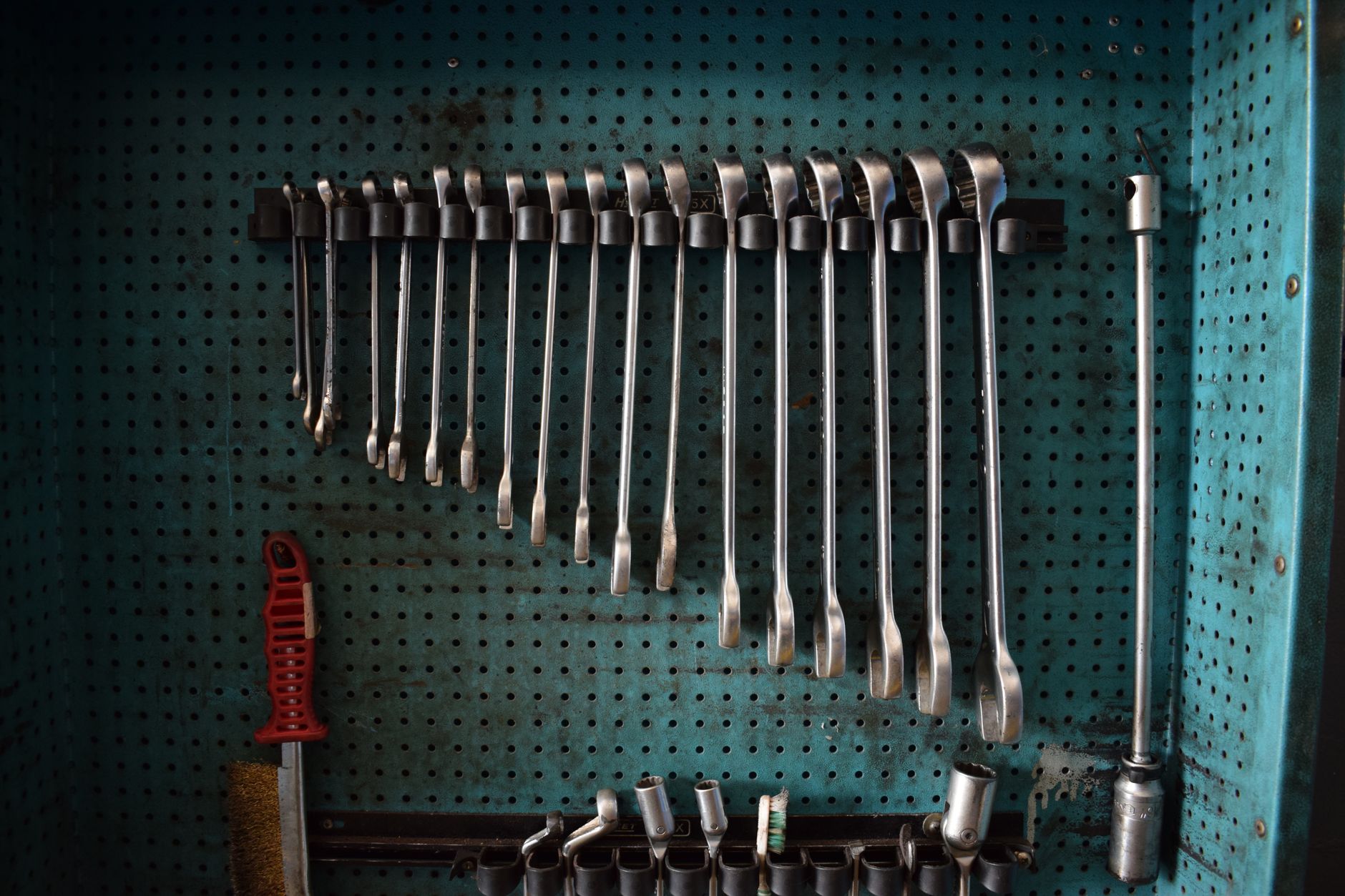
You do not need a van full of equipment. A reasonable starter kit would include an adjustable spanner, a set of screwdrivers (flathead and Phillips), a radiator bleed key, a spirit level, a hammer, some pliers, and a decent torch. Add a pack of assorted rawlplugs and wall fixings, a tube of PTFE tape (for plumbing connections), and a roll of electrical insulating tape, and you can handle the vast majority of small jobs.
A good tip: once you have done one or two of these tasks, consider keeping a simple home maintenance log, a notepad or a note on your phone with the date, what you did, and what you used. It is handy for tracking when things were last serviced, and it is enormously useful if you ever come to sell the property.
Where to build your confidence further
The GOV.UK home safety guidance is a sensible starting point for understanding what you can and cannot legally do yourself in England and Wales. Gas work, for instance, must always be carried out by a Gas Safe registered engineer, no exceptions. Full electrical rewiring requires a qualified electrician. But within those limits, there is a huge amount that any reasonably capable adult can do safely, with a bit of knowledge and patience.
Short courses at local colleges and community centres are picking up again too. Many FE colleges run basic DIY evenings, and some councils have partnered with local housing associations to run home maintenance workshops, particularly for first-time buyers and renters. If you are spending a bit more time on personal development generally, you might find it dovetails nicely with the broader trend of Britons investing in themselves and their time more intentionally.
Basic home maintenance in the UK is not about becoming a tradesperson. It is about knowing your own home, feeling confident in it, and saving money on the small stuff so you can call a professional for the jobs that genuinely warrant one.