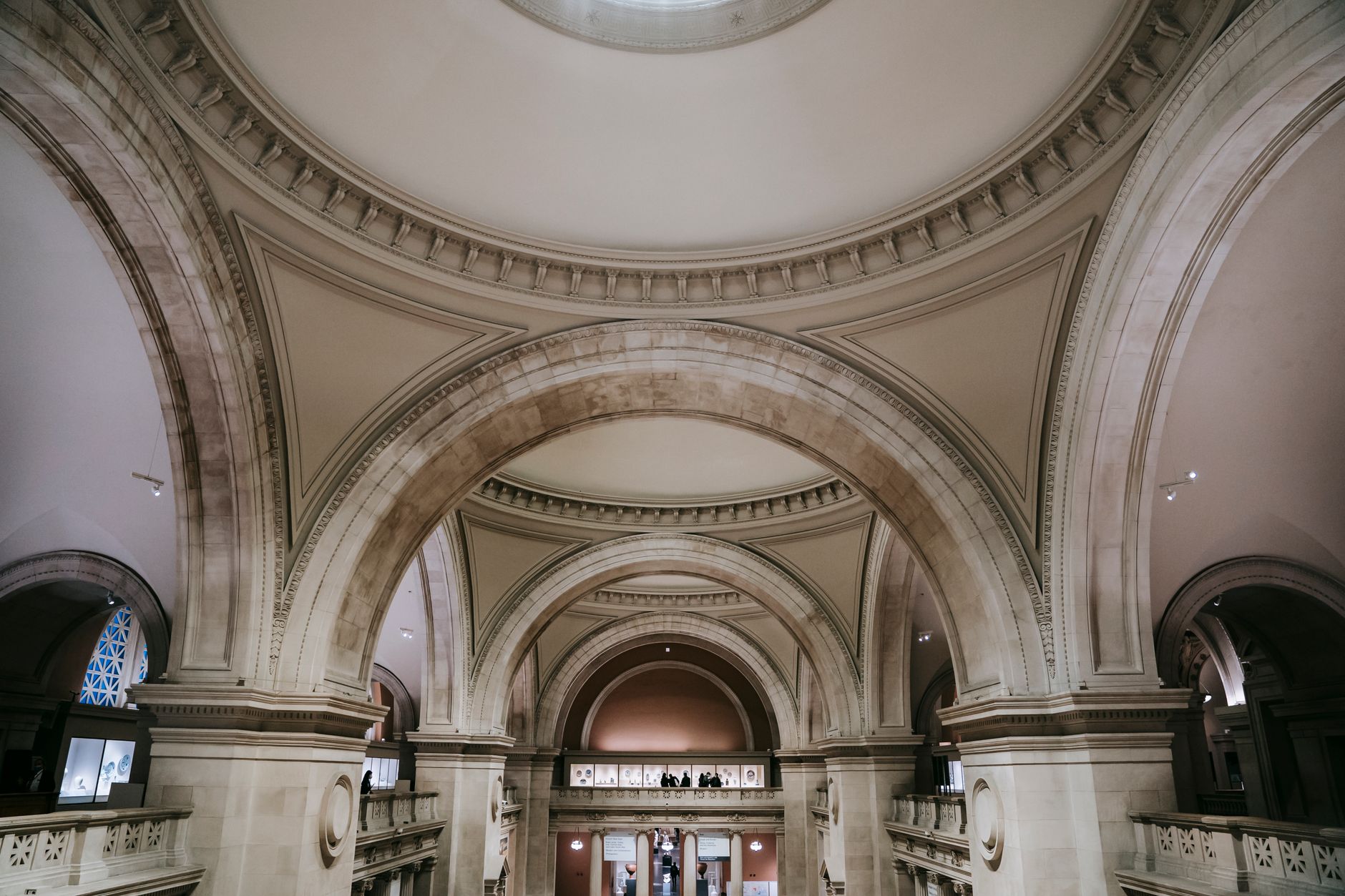
Britain has one of the genuinely extraordinary things going for it that most people either take for granted or never fully use: free access to some of the finest museums on earth. Not just good museums. Not just “worth a look if you’re passing.” Genuinely world-class institutions packed with objects that would make curators in Paris or Berlin weep with envy. And yet, visit almost any of them on a Saturday afternoon and you’ll find the same rooms heaving with people whilst entire wings sit almost empty, full of things that are frankly astonishing. I’ve spent a lot of time in these places, and I’m convinced the UK free museums hidden collections problem is one of the country’s most benign but persistent cultural blind spots.
Why we keep missing the good stuff
Part of it is signage. Part of it is habit. Most visitors arrive with a mental shortlist drawn from guidebooks or social media, walk directly to the highlight rooms, take a few photographs, and leave. The British Museum’s Rosetta Stone and the V&A’s Raphael Cartoons pull enormous crowds because they are famous. But fame in a museum context is a strange currency. The reason a room is famous is often that someone wrote about it first, not that the objects in it are the most interesting ones in the building.
The other problem is sheer scale. The Natural History Museum in South Kensington holds approximately 80 million specimens. The Science Museum group manages 7.3 million objects across its sites. Even the most dedicated visitor couldn’t scratch the surface in a decade of Sundays. Which is actually rather wonderful, if you approach it with the right mindset.
What to look for at the V&A that most people walk straight past
The Victoria and Albert Museum in South Kensington is my personal favourite for this. Its cast courts alone deserve a full afternoon. These two enormous rooms contain full-scale plaster casts of some of Europe’s greatest sculptures and architectural features, including a replica of Trajan’s Column split across two floors (the original in Rome is about 30 metres tall, so the V&A’s solution was to saw their cast in half). The column was made in 1864 and it is staggering. Most visitors to the V&A never find the room.
Then there’s the Clothworkers’ Centre, which has just reopened after extensive work and holds one of the world’s most significant collections of historic textiles. Lace. Embroidery. Woven silk from the 17th century. It’s the kind of material that rewards slow looking. And downstairs in the ceramics galleries, you can walk through 5,000 years of the human relationship with clay with almost nobody else around you.
The National Museum of Scotland’s quiet masterpieces
Edinburgh’s National Museum of Scotland on Chambers Street is free to enter and frankly overwhelming in the best sense. The Grand Gallery alone, with its soaring Victorian ironwork, is worth the trip. But the floors above it contain things that most visitors never reach. The science and technology halls have Dolly the sheep (the world’s first cloned mammal, stuffed and displayed with remarkable matter-of-factness). The Scottish history galleries trace the country from the Iron Age forward in a way that’s genuinely gripping rather than dry. And in the decorative arts section upstairs, there’s a collection of Scottish silver, furniture, and jewellery that puts many dedicated craft museums to shame.
I’d argue that the National Museum of Scotland rewards a second or third visit more than almost any other institution in Britain. Each time I’ve been, I’ve found something I missed completely before. Their online collections tool lets you browse over a million objects before you even step through the door, which is a good way to plan a visit around something specific rather than wandering and feeling vaguely overwhelmed.
The British Museum beyond the obvious
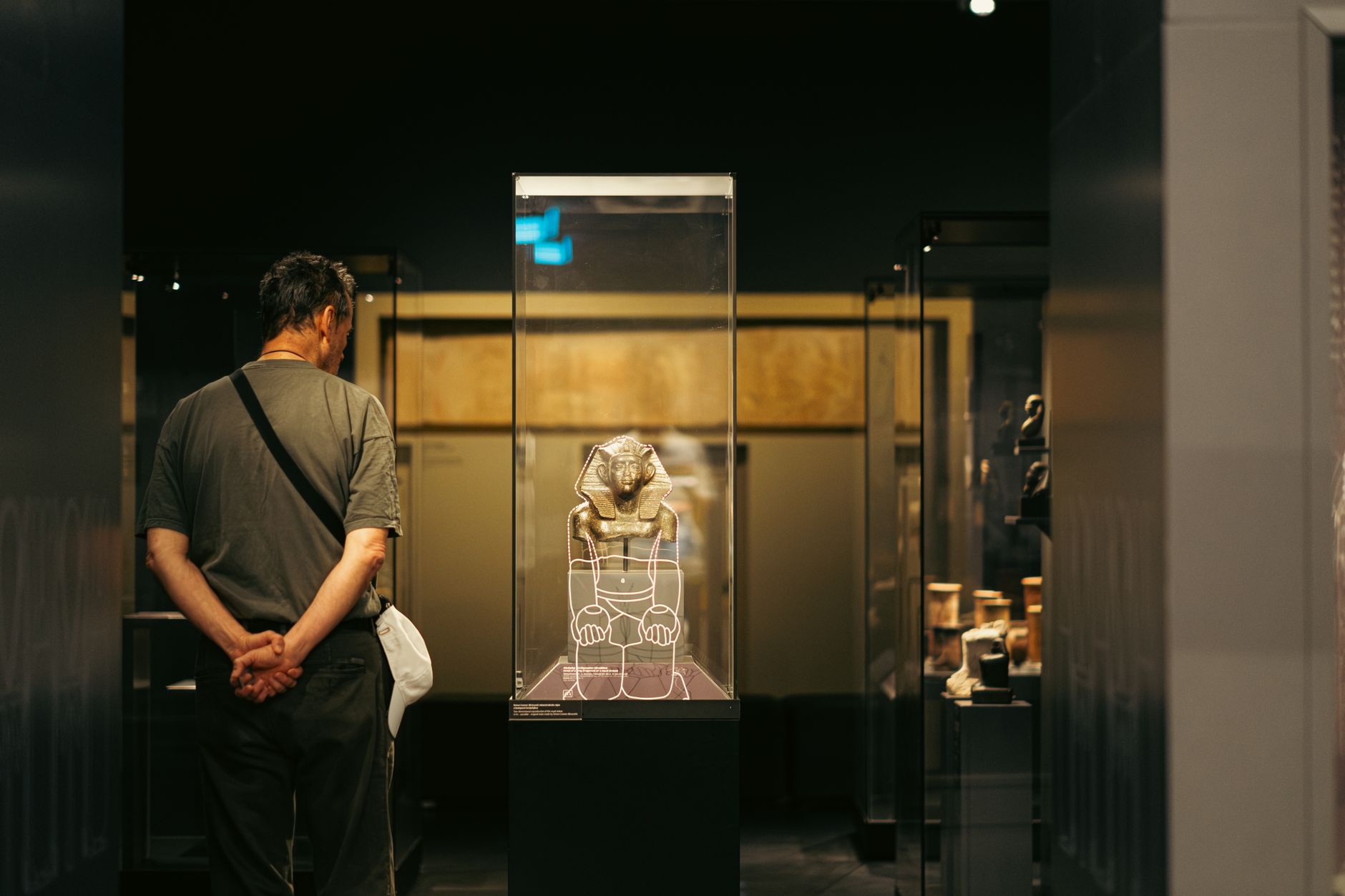
Room 41 at the British Museum holds one of the finest collections of medieval European objects in existence: the Lewis Chessmen, yes, but also extraordinary ivory carvings, reliquaries, and objects from everyday medieval life that feel genuinely intimate in a way that ancient artefacts sometimes don’t. Room 41 is rarely busy. The Sutton Hoo helmet is, rightly, famous. But in the same gallery there’s a reconstructed ship burial that most visitors glance at and move on from far too quickly.
The museum also has a study room programme that allows members of the public to handle and examine specific objects under curatorial supervision. Most people don’t know this exists. Booking is done directly through the museum’s website and places are genuinely free. Sitting at a table holding a fragment of Roman pottery or an Egyptian shabtis figure is a completely different experience from looking at one through glass.
Smaller institutions that punch well above their weight
The big nationals get the attention, but some of Britain’s most rewarding museum experiences are in smaller, less-visited institutions that are also free. The Ashmolean in Oxford, technically the world’s oldest public museum (opened 1683), has a collection of Anglo-Saxon metalwork, Japanese prints, and Raphael drawings that would justify a ticket price of forty quid if it chose to charge one. It doesn’t. The Horniman Museum in Forest Hill, south London, has a natural history collection, a famous walrus (overstuffed by its Victorian taxidermist to comical effect), and a world music instrument collection that is simply brilliant.
For those who enjoy the kind of satisfying, slightly unexpected discovery that Britain does so well, these smaller institutions are worth putting alongside the big names. It’s a similar feeling to stumbling on a great British market town on a weekend break when you’d planned something more conventional: the best finds are rarely the ones on the main itinerary.
Making the most of a museum visit in 2026
A few practical things I’ve found genuinely useful. Most national museums now have excellent apps or website sections dedicated to their permanent collection with search and filtering tools. Spending fifteen minutes with one of these before you arrive transforms the experience. You can identify two or three specific rooms or objects you actually want to find, and then let yourself wander from there without the nagging sense that you should be ticking off highlights.
Timed entry slots, introduced during the pandemic, have stuck around at some institutions. The Natural History Museum and the British Museum both require free timed tickets for busy periods. Book these a day or two in advance, but don’t be put off: the booking takes about two minutes, and tools like mail-tester.co.uk are a reminder that a quick email verification step, wherever you encounter it online, is worth doing properly to make sure confirmation actually lands in your inbox rather than a junk folder.
Weekday mornings, particularly Tuesdays and Wednesdays, remain significantly quieter at most national museums. If you have any flexibility, arriving at 10am on a Wednesday is a completely different experience from arriving at 2pm on a Saturday. Some of the most memorable visits I’ve had in British museums have been on grey November mornings when the rooms were almost empty and you could genuinely stop and look at something for as long as you wanted.
Britain’s free museums are one of the finest public goods this country provides. The things inside them are staggering, layered, and inexhaustible. They deserve more than a ninety-minute loop around the famous bits. Going back, going deeper, and deliberately looking for the room that’s a bit out of the way: that’s where the real reward sits.
Frequently Asked Questions
Are the UK's national museums really free to enter?
Yes, the major national museums in England, Scotland, and Wales are free for permanent collection access. These include the British Museum, V&A, Natural History Museum, Science Museum, National Museum of Scotland, and many others. Some temporary exhibitions charge admission, but the permanent galleries are free.
Do I need to book tickets in advance for free UK museums?
For busy periods, yes. The British Museum and Natural History Museum require free timed entry tickets at weekends and during school holidays, bookable through their websites. Weekday visits rarely need pre-booking. It’s worth checking each museum’s website a day or two before your visit.
Which UK free museum has the best collection outside London?
The National Museum of Scotland in Edinburgh is exceptional and completely free. The Ashmolean in Oxford and the Fitzwilliam Museum in Cambridge are also outstanding regional institutions with world-class collections that charge nothing for permanent gallery access.
Can members of the public handle museum objects in the UK?
Several national museums offer study room access and handling sessions for the public, including the British Museum and the V&A. These need to be booked in advance through the museum’s website and are typically free of charge. Contact the relevant museum’s learning or collections team for details.