There is a version of you that has stood in a queue at a motorway services, stared out at a grey January sky, and thought: I should just go and walk somewhere properly. Somewhere that takes more than an afternoon. If that thought has crossed your mind more than once, this is for you. The UK national trails network is one of this country’s genuinely great gifts to the public, and the number of people who have never set foot on one of the 16 designated long-distance routes in England and Wales, or the 29 Great Trails in Scotland, is a real shame. Not because you’re missing out on suffering, but because you’re missing out on one of the most rewarding things Britain has quietly built over the past 70 years.
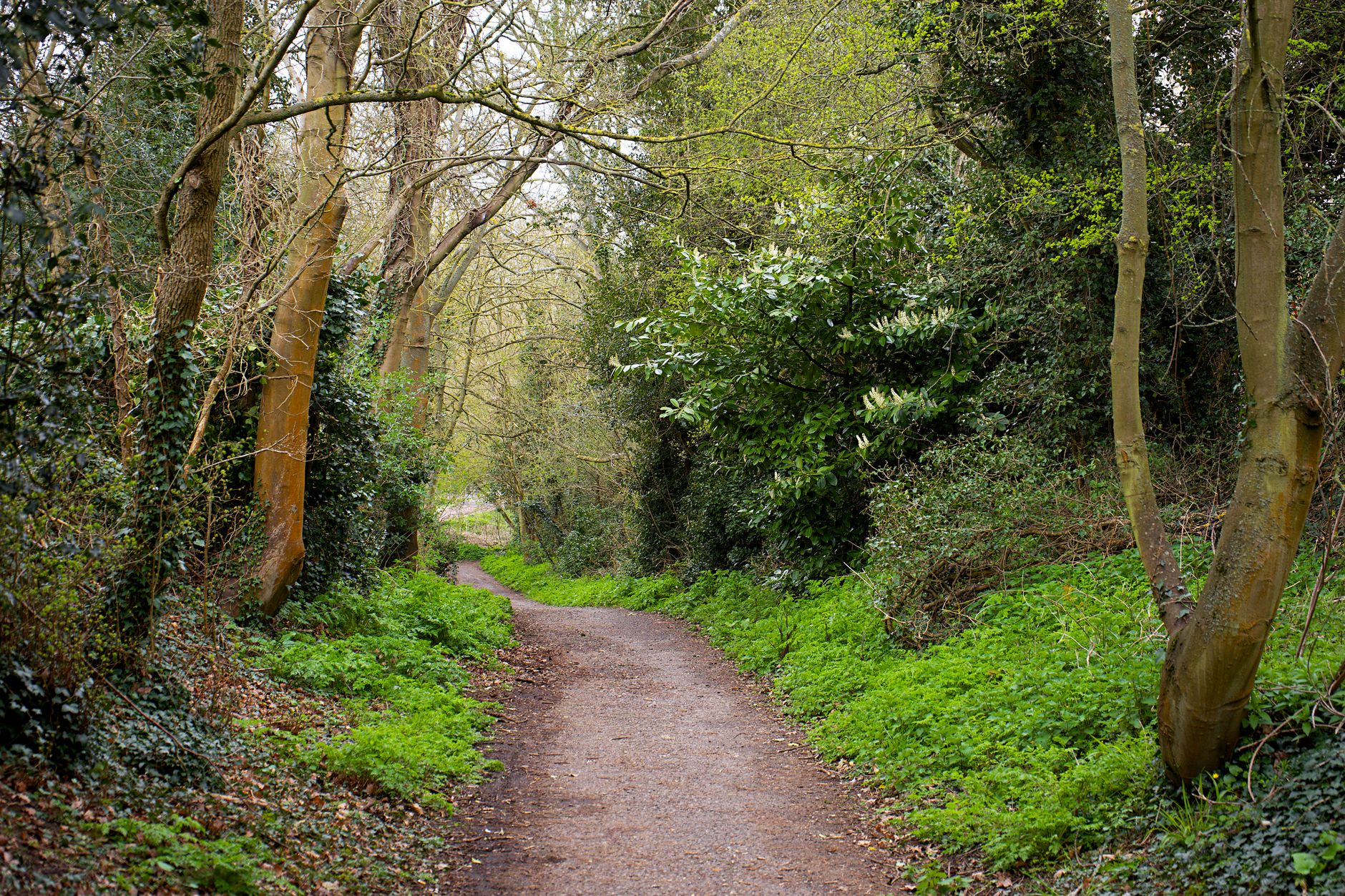
The intimidation factor is real, I’ll grant you that. Most people hear “national trail” and picture a retired geography teacher doing 30 miles a day with a GPS watch and a sponsored charity number pinned to their fleece. That picture exists, but it’s only a tiny slice of who’s actually out there. I’ve seen family groups doing a weekend section of the South Downs Way, a pair of friends walking the Pembrokeshire Coast Path over a fortnight in stages, and solo walkers in their twenties doing their very first overnight trip on the Thames Path. The trails are long, yes, but nobody says you have to do them all at once.
What are UK national trails, exactly?
National Trails in England and Wales are long-distance walking (and in some cases cycling) routes managed by Natural England and Natural Resources Wales. They are marked with the distinctive acorn symbol on signs and on Ordnance Survey maps. The network covers more than 4,500 miles in total. Scotland’s equivalent, managed through NatureScot, uses the term “Great Trails” and covers routes like the West Highland Way, the Speyside Way, and the Great Glen Way. The National Trails website lists every route with distances, terrain grades, and practical planning tools, all of which are free to use.
The routes vary enormously. The Thames Path runs 184 miles from the river’s source in the Cotswolds to the Thames Barrier in London, and much of it is almost entirely flat. The South West Coast Path is 630 miles of dramatic clifftop walking around the entire south-west peninsula. The Pennine Way is the tough one, 268 miles from Derbyshire to the Scottish Borders, and yes, it deserves its reputation for bog. The point is that uk national trails for beginners do not mean just one type of landscape or one level of difficulty.
Which trail is right if you’re just starting out?
My honest recommendation for a first proper walk is either the Thames Path or the South Downs Way, and I’d lean towards the Thames Path for someone who has never done anything like this before. The terrain is gentle, the route is well-signed, there are towns and villages every few miles, and you can do a two or three day section from Oxford to Reading that genuinely feels like an adventure without requiring specialist kit or prior experience. Public transport links back to your start point are straightforward too, which matters when you’re planning your first trip.
The South Downs Way suits someone who wants a bit more drama underfoot. It runs 100 miles from Winchester to Eastbourne along chalk downland, with open views in every direction and a surface that’s generally good even in damp weather. It’s also well-served by accommodation, including several walkers’ hostels run by YHA. If you’re in Scotland, the West Highland Way from Milngavie to Fort William is the obvious choice and deservedly popular; just book accommodation well in advance, particularly for the section between Tyndrum and Fort William where options are limited.
You don’t have to walk the whole thing
This is the point I want to make loudly, because I think it’s what holds most people back. Every national trail can be walked in sections over months or even years. There is no rule, no register, no badge withheld if you walk the Cotswold Way in six long weekends spread across two years. Some people keep a little notebook and tick off sections as they go. Others just pick a stretch that appeals and walk it without any intention of completing the whole route. Both approaches are entirely valid.
The practical benefit of this approach is that it keeps costs manageable. You’re not booking two weeks of B&Bs in one go. You pick a 15 or 20 mile section, find a place to stay at the end, and sort a bus or train back to your car the next morning. Many stretches of the Ridgeway in Oxfordshire and Berkshire, for instance, are accessible from Swindon, Wantage, or Reading, and you could walk a satisfying 12-mile section and be home in time for tea. This kind of low-stakes dipping-in is genuinely how a lot of regular trail walkers got started.
What kit do you actually need?
Far less than the outdoor retail industry would have you believe. A decent pair of waterproof walking boots is the one non-negotiable. Blisters from poor footwear will ruin any walk faster than rain or mud. Beyond that, the essentials are layered clothing (Britain’s weather is always doing something unexpected), a waterproof jacket, a small rucksack, enough water and food for the day, a charged mobile, and a downloaded OS Maps section of the route as a backup. You don’t need trekking poles, a hydration vest, or a specialist GPS unit for your first few outings. Get those boots right first.
If you’re planning to do any wild camping along a trail, Scotland is the place to do it. The Land Reform (Scotland) Act 2003 gives walkers the right to wild camp responsibly almost anywhere, which makes routes like the Southern Upland Way or the Cape Wrath Trail genuinely affordable multi-day adventures. In England and Wales, you’ll generally need to use campsites or B&Bs along the route, though a few landowners along certain trails do permit informal camping by arrangement.
A word on the mental side of it
I’d be doing you a disservice if I didn’t mention this. Long-distance walking has a strange and rather lovely effect on the brain. A few hours into a trail day, the usual background noise of deadlines and notifications and low-grade anxiety just quietens down. There’s good evidence behind this; spending time in green and natural environments has measurable effects on stress and mood, and the research coming out of universities like Exeter and UCL has been consistent on that point. But honestly, you don’t need a study to tell you this. Walk 12 miles on a clear day on the North Downs Way, arrive at a pub, and try to feel anything other than satisfied.
If you’ve already been thinking about getting out on a bike, our piece on cycling to work in Britain covers a similarly honest take on low-barrier ways to get more active without turning it into a project. And if the idea of a longer walking adventure appeals but you’d like a softer introduction first, a weekend in a British market town can give you a feel for exploring on foot without any of the planning pressure. Many market towns sit right on or near national trail routes, which rather makes planning a first section walk and a comfortable overnight stay a natural combination.
Britain has built something genuinely special in this trail network. The paths are maintained, the waymarking is generally excellent, the landscapes are some of the finest in Europe, and the whole thing is free to use. If you’ve been meaning to start, this is the encouragement you were after. Pick a section. Book a night somewhere modest at the end of it. Lace up the boots and just go.