

Every household in Britain gets a council tax bill, and most of us pay it without really knowing where that money ends up. It sits in a grey zone of civic life: too unglamorous to follow closely, but significant enough that understanding it actually changes things. I’d argue that knowing what does council tax pay for UK is one of those pieces of genuinely useful knowledge that most of us were never handed, so here it is, plain and simple.
This isn’t about stirring up outrage or finding fault. It’s the opposite, really. Local government does a remarkable amount of quiet, essential work, and residents who understand what’s being funded are far better placed to support it, shape it, and yes, hold it to account when needed.
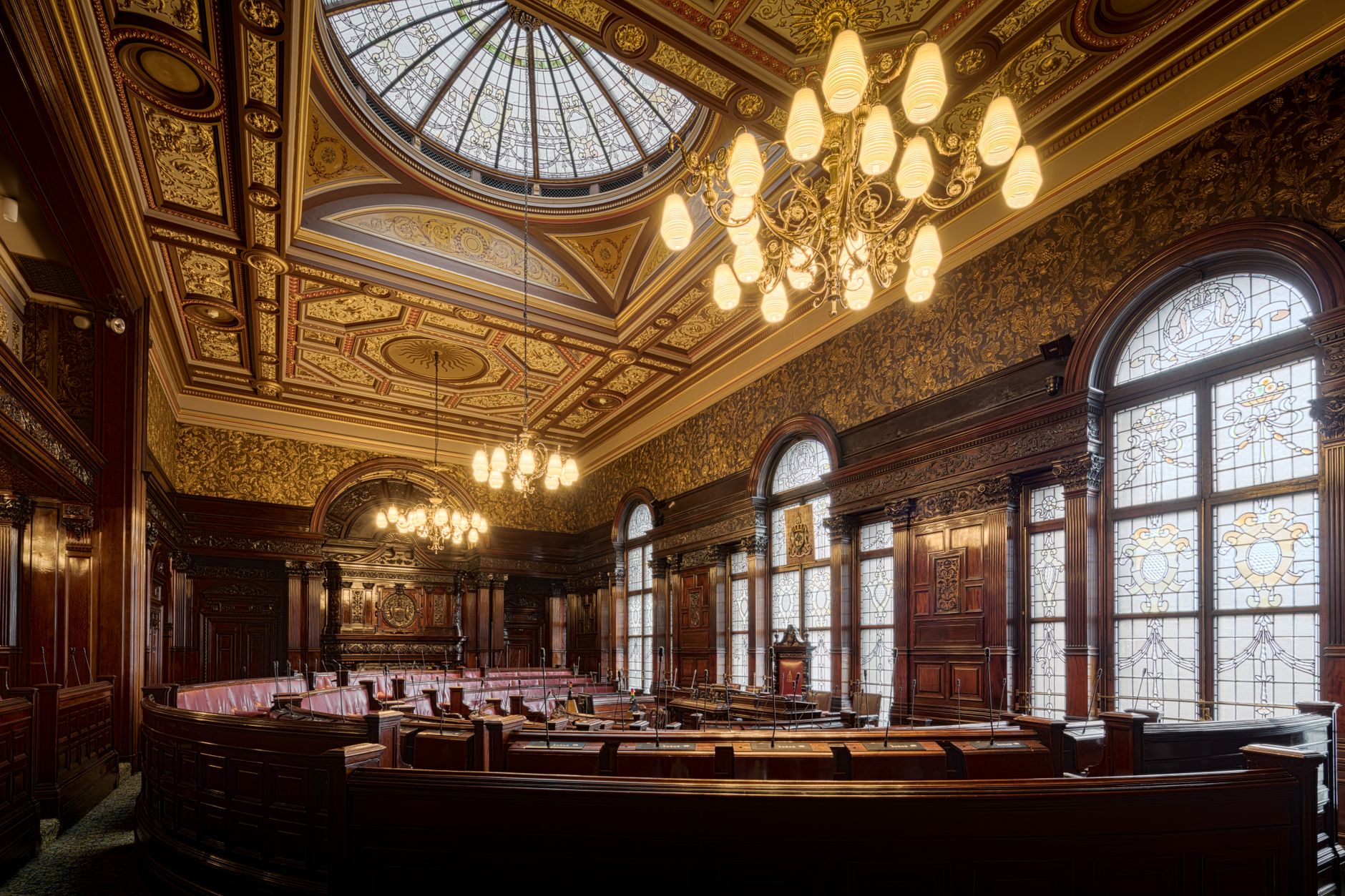
Where your council tax money actually goes
The bulk of what most councils spend money on is adult social care. In England, the Local Government Association has consistently reported that adult social care absorbs well over half of many local authority budgets, covering residential and home care for elderly people, support for those with disabilities, and a range of NHS-adjacent services. If you’ve ever wondered why councils seem perpetually stretched, that’s a large part of the answer.
Beyond care, your council tax contributes to waste collection and recycling, libraries, parks and open spaces, local road maintenance, planning services, street lighting, and the running of council housing. Fire and police services are also funded in part through the precepts that appear on your bill, those separate line items from the Police and Crime Commissioner and, where applicable, parish or town councils.
A typical council tax bill in England is split between the district or borough council, the county council (in two-tier areas), the police precept, and sometimes a parish precept. Each portion funds different things. The county council tends to handle education and transport; the district handles housing and waste; and so on. In London, the Greater London Authority adds its own layer. Scotland, Wales, and Northern Ireland each have their own structures, but the basic principle holds: multiple tiers, each with a slice.
Why the bill varies so much between areas
Two neighbours living in identical houses in different local authority areas can pay wildly different amounts. That gap comes from a combination of the local tax base (how many properties there are, and what bands they fall into), levels of central government grant funding, and the council’s own decisions about service levels and spending priorities. Areas with fewer high-band properties and higher demand for services often charge more, not because they’re profligate, but because the maths works against them.
Council tax bands themselves date back to 1991 property valuations in England, which is a fairly extraordinary fact when you sit with it. Scotland revalued in 1991 too, but Wales revalued in 2003. The result is a system that can feel arbitrary, but it’s worth understanding rather than simply resenting.
How to find out exactly what your council spends
Every local authority in the UK publishes its budget and annual accounts, and they’re freely available. Your council’s website will have a section, usually under “finance” or “transparency”, listing the current year’s budget, how much is being spent on each service area, and the previous year’s accounts. These documents can look intimidating, but the summary budget papers are usually quite readable and written for residents, not accountants.
The government’s own Find your local council tool gets you to the right authority in seconds. From there, look for the budget consultation, the Medium Term Financial Strategy, and the cabinet reports from your council’s most recent budget-setting meeting. Cabinet meetings are public and minuted, everything decided there is on the record.
How to attend a council meeting and actually be heard
Public gallery attendance at council meetings is a right, not a privilege. Full council meetings, cabinet meetings, planning committees, scrutiny panels, all of these are open to residents by default unless there’s a specific agenda item that requires a private session (usually involving personnel or commercial matters).
Most councils also allow members of the public to submit questions in advance, or to speak during a designated public participation slot. The rules vary: some councils give you three minutes, others two, some allow written questions to be read out if you can’t attend in person. Check your council’s constitution, every council is required to publish one, for the specific rules on public speaking. It’s usually under the heading of “public participation” or “rights of the public”.
I’ve sat in on a planning committee meeting before, half expecting a dusty, procedural affair, and found it genuinely gripping. Real people making real decisions about real places. The experience alone changed how I thought about local engagement.
If attending a physical meeting feels like a leap, most councils now stream or record their meetings, and many post the footage publicly. You can watch what was said, how your elected councillors voted, and what questions were raised. This kind of civic literacy builds up quietly over time, and it matters.
Writing to your councillor: what works
Your ward councillors are elected to represent you, and most of them are far more approachable than people assume. They’re not MPs insulated by layers of staff, they’re often local people with ordinary jobs who got involved in local government because they care about their area. A straightforward, specific email tends to get a response.
The key is to be concrete. “The path on Marsh Lane near the school has been deteriorating for two years” will get further than “the streets in this area are terrible.” If you’re raising a budget concern, reference the actual budget line if you can find it. That shows you’ve done your homework and makes it much harder to be brushed off with a vague reply.
The same principle applies if you want to get involved in a formal consultation. Councils are legally required to consult on certain decisions, and well-argued, specific responses carry weight. A single detailed response from a resident who’s clearly engaged is worth more than fifty identical copy-paste submissions.
Local democracy as a British tradition worth keeping alive
There’s something very British about the parish pump, the idea that local decisions should be made locally, by people who live with the consequences. That tradition is worth defending. Understanding what does council tax pay for UK isn’t just useful for your own finances; it’s part of being an active participant in the place you live.
If you’ve found that volunteering in your community has connected you to local life in ways you didn’t expect, engaging with your council is a natural next step. And if you’re someone who already keeps an eye on public bodies and their records, the same transparency instinct that makes Companies House useful for business research applies here, councils publish an enormous amount, and most of it goes unread simply because people don’t know to look.
Local government isn’t broken. It’s under-watched. Attend one meeting, write one letter, read one budget summary. That’s all it takes to start forming an informed view rather than a vague impression. The people in that council chamber are making decisions about your road, your park, your bin collection, and your elderly neighbour’s care. You’re already paying for it. You might as well show up.
Frequently Asked Questions
What does council tax pay for in the UK?
Council tax funds a wide range of local services including adult social care, waste collection, libraries, parks, street lighting, road maintenance, and local planning. It also contributes to police and fire services through separate precepts shown on your bill. The exact split depends on your local authority structure.
How is council tax divided between different services?
In two-tier areas, your bill is split between a district or borough council (housing, waste, local planning) and a county council (education, transport, adult social care). There are also separate precepts for the police and, in many rural areas, a parish or town council. Each precept is listed separately on your bill.
Can I attend my local council meetings as a member of the public?
Yes, full council meetings, cabinet meetings, and most committee meetings are open to the public. Many councils also allow residents to submit written questions or speak during a public participation slot. Check your council’s website for the specific rules, which are set out in its published constitution.
Why does council tax vary so much between local areas?
The variation reflects differences in local tax bases, levels of central government funding, and the cost of delivering services in each area. Councils with fewer higher-band properties and greater demand for services, especially adult social care, often charge more as a result. Property bands in England are still based on 1991 valuations.
Leave a Reply