Author: Roberto Bernadi

  • How Britain’s Community Pantries Are Quietly Changing the Way We Think About Food Sharing

    How Britain’s Community Pantries Are Quietly Changing the Way We Think About Food Sharing

    Something rather good is spreading across Britain’s towns and high streets, and it isn’t getting nearly enough attention. Community pantries, membership-based shops where you pay a small weekly subscription and help yourself to surplus food, are popping up in church halls, community centres, and converted shopfronts from Barnsley to Bristol. I’ve been watching this movement grow for a couple of years now, and I’d argue it’s one of the most genuinely exciting things happening in British community life right now.

    The model is elegantly simple. You pay a subscription, often somewhere between £3.50 and £5 a week, and in return you can pick up a basket or bagful of food worth considerably more than that. The food comes from supermarket surpluses, local suppliers with short-dated stock, and donations from food manufacturers. There’s no means-testing, no referral letter, no awkward conversation with a volunteer about whether you qualify. You’re a member. You shop. You go home.

    Shelves stocked with food at a community pantry UK, warm natural light
    Photo by James Frid on Pexels

    Why community pantries are different from food banks

    This distinction matters enormously, and it’s worth being direct about it. Food banks, which do vital work and deserve every bit of support they receive, operate on a crisis model. You are referred by a professional, you receive a parcel, and the interaction carries an unmistakable undertone of charity. For many people, pride keeps them away even when they genuinely need help. Community pantries flip that dynamic entirely.

    At a community pantry, you are a paying customer, not a recipient of charity. You choose what you want from the shelves. You might grab pasta and tinned tomatoes one week and find yourself treating the family to a slightly fancy yoghurt the next, because a local dairy overstocked and dropped off three dozen pots. The social contract is completely different, and that difference is precisely why the model reaches people that food banks often cannot.

    The Sustain food alliance has tracked the growth of community food initiatives across the UK and the pattern is consistent: stigma is the single biggest barrier to people accessing food support. Removing it changes everything.

    Where the community pantry UK movement started

    The model has roots in Scotland, Community Shop, launched by Company Shop Group, pioneered the surplus food membership concept and now operates sites across the North of England and Scotland, serving thousands of members. From there, a looser network of independent community pantries grew up, many of them affiliated through the volunteer-led community sector and supported by local councils, charities, and faith groups.

    Fareshare, one of the UK’s largest food redistribution charities, partners with many of these pantries to supply surplus food at scale. Their network has grown substantially, and independent pantries in towns like Wrexham, Preston, Hull, and Dundee now collectively save tens of thousands of tonnes of food from going to waste each year whilst simultaneously reducing the weekly cost of living for their members. That’s a genuine double win.

    What a typical membership looks like

    Most community pantries work on a simple points or basket system. You pay your weekly or monthly subscription at the door or online, and you can collect a set number of items, often structured so that your shop is worth three to five times what you’ve paid in. Some pantries operate a café alongside, others run cooking classes using the surplus ingredients available that week. A few I’ve come across run swap tables where members can leave home-grown produce and take something else in return.

    If you grow your own veg, and the allotment movement is absolutely thriving right now, a community pantry is a natural companion. Got a glut of courgettes in August? Bring them in. Take home some pasta and a tin of chickpeas. It’s the kind of neighbourly exchange that used to happen over garden fences and somehow got lost.

    Opening hours vary but most pantries try to be accessible across the week, including at least one evening session, so that people who work full-time aren’t excluded. Some operate on appointment slots to keep numbers manageable; others are open-door during set hours.

    How to find or start a community pantry near you

    The quickest route is to search your local council’s community pages, councils have become increasingly supportive of the model, partly because it reduces pressure on statutory food support services, and partly because it genuinely works. Your local community centre, church, or mosque may already be running one quietly without much fanfare.

    If there isn’t one nearby and you feel the urge to do something about that, the barrier to entry is lower than you might think. A room, a fridge, a freezer, and a relationship with a food redistribution charity like Fareshare or Neighbourly is broadly what you need to get started. Local councils sometimes offer small grants for exactly this kind of project, knowing how your council allocates its funding is genuinely useful here, because community food projects are increasingly on their radar.

    I’d also suggest looking at whether your local library is already a hub for something similar, libraries have quietly reinvented themselves as community anchors, and a fair number host or signpost community pantry schemes.

    The bigger picture: community food sharing as a British value

    There’s something very British about the community pantry model, and I mean that as a genuine compliment. It’s practical rather than ideological. It gets on with things. It doesn’t wait for a government programme or a national campaign, it just opens its doors on a Tuesday morning and gets food to people who need it, wrapped in enough dignity that they actually turn up.

    Britain has a long tradition of mutual aid, from the working men’s clubs and cooperative societies of the Victorian era through to the wartime WI jam-making drives. Community pantries fit squarely in that lineage. They say: we’re in this together, we’re all paying in, and what we get out is greater than what we put in. That’s not charity. That’s community.

    If there’s one near you, join it. Even if your finances are comfortable, your membership subsidises the model and normalises it for everyone. And if there isn’t one? Well, that sounds like the beginning of something rather good.

    Frequently Asked Questions

    What is a community pantry in the UK?

    A community pantry is a membership-based food shop where you pay a small weekly or monthly subscription, typically £3.50 to £5, and collect food worth significantly more than that amount. The food comes from supermarket surpluses and food redistribution charities. Unlike food banks, there’s no referral process and no means-testing.

    How is a community pantry different from a food bank?

    Food banks operate on a crisis-referral model where recipients are given a parcel after being referred by a professional. Community pantries work like a membership shop, you pay a subscription and choose your own items from the shelves. The key difference is dignity: at a pantry, you’re a member making choices, not a recipient of charity.

    How much does it cost to join a community pantry?

    Most UK community pantries charge between £3.50 and £5 per week for membership. In return, members typically receive food worth three to five times that amount per shop. Some pantries charge monthly rather than weekly, and a few offer sliding-scale subscriptions.

  • How to Start Volunteering in the UK When You Have No Idea Where to Begin

    How to Start Volunteering in the UK When You Have No Idea Where to Begin

    There’s something quietly wonderful about the fact that, according to the NCVO’s UK Civil Society Almanac, around 16 million people in England alone volunteer formally each year. That’s a staggering amount of goodwill. And yet, for those who haven’t done it before, volunteering in the UK can feel oddly difficult to break into. Where do you even look? What if you’re not retired? What if you only have three hours a fortnight? What if you’re worried you don’t have the right skills?

    I’ve heard every one of those concerns from friends who wanted to give something back but didn’t quite know how to get started. The good news is that the landscape has changed enormously in the past few years, and there genuinely is something for everyone. You just need to know where to look.

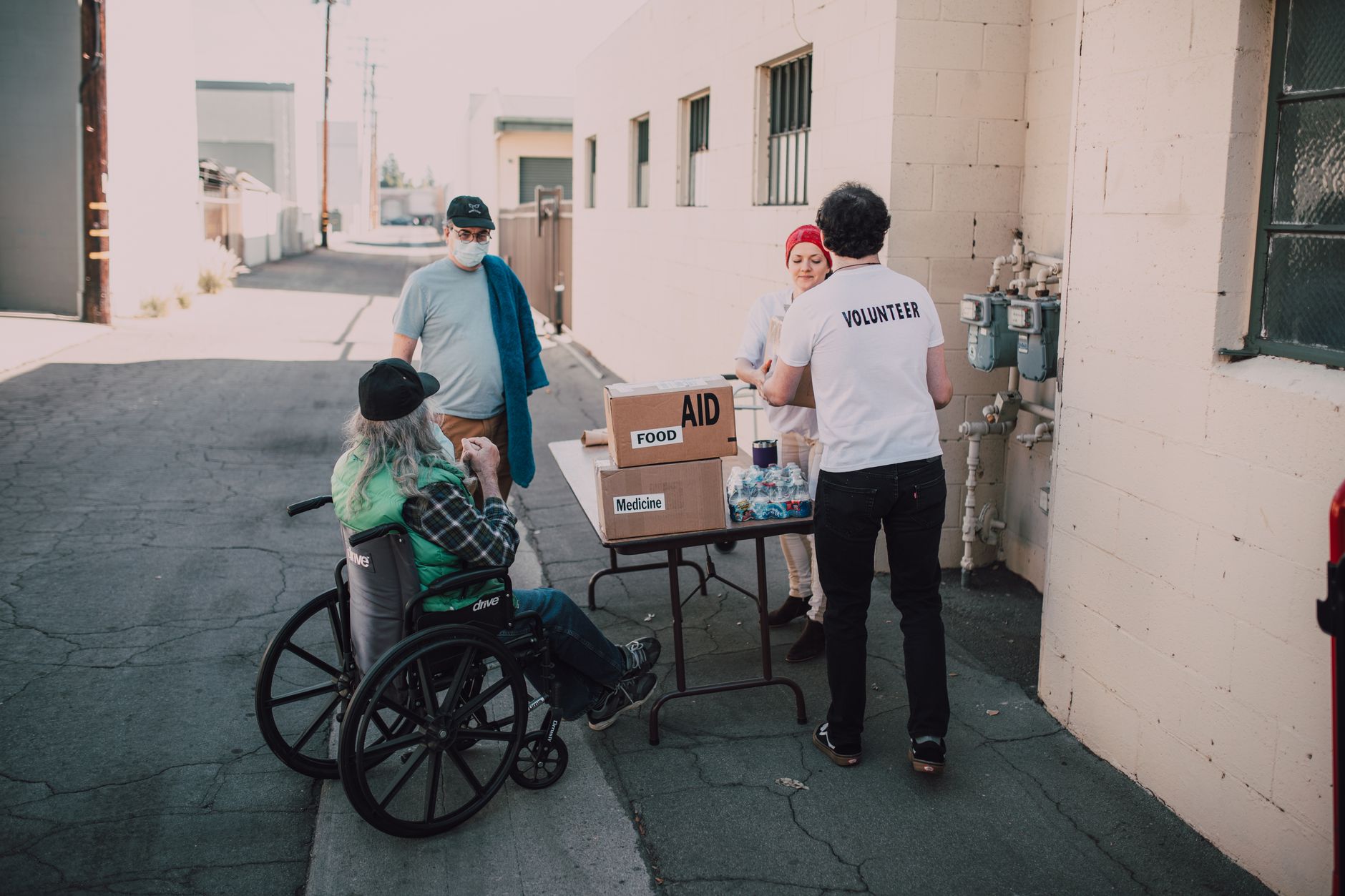
    Volunteers sorting donations outside a community hall, representing volunteering in the UK
    Photo by RDNE Stock project on Pexels

    Why now is a brilliant time to get involved

    Volunteering numbers took a real knock during the pandemic. Organisations lost regular helpers overnight, and many first-timers who’d been meaning to sign up simply never got round to it. Since 2023, though, numbers have been recovering steadily, and the infrastructure around volunteering has improved enormously. Platforms like Do-it and the NCVO’s own resources have made it far simpler to search by postcode, availability, and interest. You can sit on your sofa on a Tuesday evening and have a shortlist of local roles by Wednesday morning.

    There’s also been a noticeable cultural shift. Organisations are actively designing roles around people’s real lives rather than expecting volunteers to fit an old-fashioned nine-to-five mould. Weekend roles, remote roles, project-based roles that last six weeks rather than six years. The flexibility is genuinely there now.

    Finding a role that actually suits you

    The single biggest mistake first-timers make is saying yes to whatever comes up first and then burning out or dropping out because it wasn’t the right fit. Before you search for anything, spend five minutes thinking honestly about three things: what you’re good at, how much time you can reliably give, and what kind of environment makes you feel useful.

    If you’re handy with a spreadsheet, a local charity’s treasurer role or admin support is genuinely valuable. If you’re a good listener, organisations like Samaritans, Age UK, and the Citizens Advice Bureau are always in need. If you’d rather be outdoors doing something physical, conservation groups, community gardens, and canal restoration projects are crying out for volunteers. I’d argue that knowing what drains you is just as important as knowing what energises you. A role in a busy, noisy environment isn’t going to be a good fit for everyone, and that’s fine.

    On the time question: be honest. If you can only commit to one Sunday morning a month, say so upfront. Charities would far rather have someone reliable once a month than someone enthusiastic who quietly disappears after three weeks. The best organisations will tell you plainly what the minimum commitment looks like.

    Woman searching for volunteering in the UK opportunities on her laptop
    Photo by Tima Miroshnichenko on Pexels

    Where to search for volunteering opportunities near you

    The quickest starting point is do-it.org, which holds thousands of listings across the UK and lets you filter by distance, time commitment, and cause. Type in your postcode and you’ll get results within minutes. For a broader picture of the voluntary sector and resources for new volunteers, the NCVO website is thorough and genuinely readable.

    Your local council often maintains its own volunteering directory, and most towns and cities have a Volunteer Centre that can match you directly with local groups. These centres are particularly good if you want a conversation with a real person rather than scrolling through listings online. In many cases, they’ll do the matching for you once they know your situation.

    It’s also worth thinking about organisations you already have a connection with. Did your child attend a local youth theatre? Does a food bank operate near your workplace? Did a hospice support someone in your family? Starting somewhere personal often makes the commitment feel more meaningful from day one.

    What to expect from the sign-up process

    Some roles will have you started within a week. Others, particularly those involving work with children, vulnerable adults, or sensitive information, will require a DBS (Disclosure and Barring Service) check, which the organisation will usually arrange and fund on your behalf. Don’t be put off by this. It’s straightforward, and the organisation should guide you through it.

    Most reputable charities will offer some form of induction, even if it’s just a short briefing. You should also be given a named contact, a basic description of what’s expected, and a clear sense of what happens if something isn’t working. If any of those things are missing, it’s worth asking. A well-run volunteer programme will have them ready without you needing to chase.

    The British tradition of community spirit that drives everything from allotment societies to neighbourhood growing projects is the same spirit that keeps voluntary organisations ticking. Walking into that environment for the first time, you’ll find people who are pleased to see you. Most long-term volunteers will tell you the induction nerves dissolved within the first hour.

    Keeping it sustainable over time

    Volunteering in the UK should feel good, not guilt-ridden. If a role stops working for you, whether the timing shifts, your circumstances change, or you simply want to try something different, it’s completely acceptable to have that conversation with your coordinator. Good organisations understand that life moves. Stepping back gracefully is far better than gradually going absent.

    Many people find that volunteering opens unexpected doors: new skills, new friends, new perspectives on their own community. I’ve spoken to people who started helping at a local food bank and ended up running logistics for the whole site within a year, not because anyone pushed them, but because they found they loved it. That kind of quiet personal growth is one of volunteering’s least-advertised gifts.

    For those thinking about the digital side of community engagement, resources like Banner Ads can be useful when charities and community groups want to raise awareness of their volunteer drives online, a practical consideration for anyone involved in running a local organisation.

    If you’re the sort of person who also enjoys spending time in your community beyond formal volunteering, you might find that places like British board game cafés or local social enterprises are already part of the same network of people who care about where they live. That overlap is no coincidence. Community tends to attract community.

    Starting is genuinely the hardest part. Once you’ve made that first enquiry, the momentum tends to take care of itself. So go on. Your local community is very likely looking forward to meeting you.

    Frequently Asked Questions

    How do I find volunteering opportunities near me in the UK?

    The easiest place to start is do-it.org, where you can search by postcode, cause, and availability. Your local council or Volunteer Centre is also a great option if you’d prefer a conversation with someone who can match you directly to a suitable role.

    Do I need any qualifications or experience to volunteer in the UK?

    For the vast majority of roles, no qualifications are needed. Organisations are looking for reliability, enthusiasm, and a willingness to learn. Some specialist roles, such as legal advice or medical support, may require relevant experience, but these are clearly flagged in listings.

    How many hours a week do I need to commit to volunteering?

    This varies hugely by role. Many organisations now offer flexible commitments, including as little as a few hours a month or short-term project-based arrangements. Be upfront about what you can realistically manage and a good organisation will work around it.

    Will I need a DBS check to volunteer?

    Only for roles involving children, vulnerable adults, or certain sensitive environments. If a DBS check is required, the organisation will typically arrange and pay for it on your behalf. It usually takes a few weeks to process and is entirely standard.

  • Why the British allotment is having its finest hour

    Why the British allotment is having its finest hour

    There is something quietly wonderful about a British allotment. A rectangle of earth, a wonky shed, a battered kettle balanced on a camping stove, and a complete stranger two plots over offering you half a bag of seed potatoes because they bought too many. It is not glamorous. Nobody is filming it for a lifestyle brand. And that, honestly, is a large part of why it matters.

    The British allotment is having a moment. Waiting lists that were already long before the cost-of-living pressures of the early 2020s have grown longer still. According to the National Allotment Society, there are around 330,000 allotment plots in England alone, and demand routinely outstrips supply in most town and city councils. In some London boroughs the wait is over ten years. Ten years. People are signing up knowing full well they may not get a spade in the ground until their mid-forties.

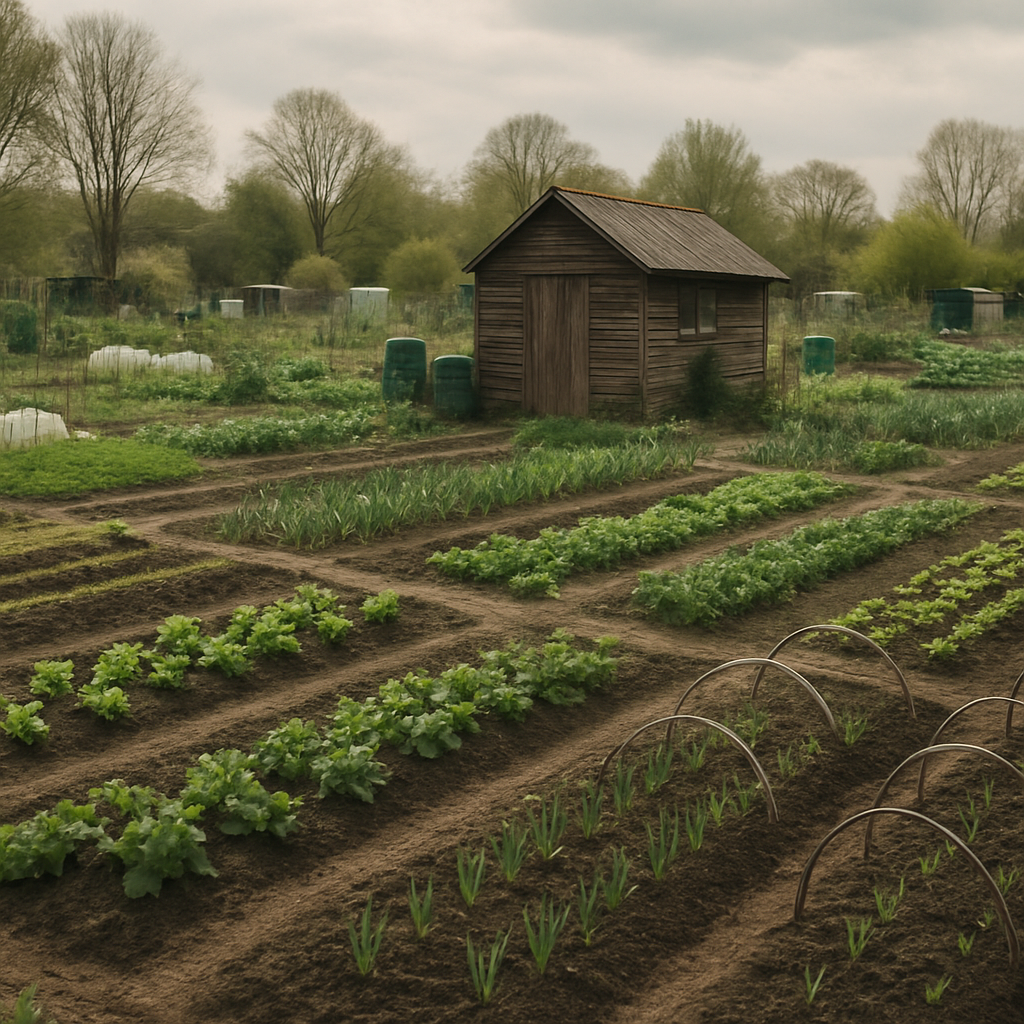
    A thriving British allotment site in spring with vegetable beds and a traditional wooden shed

    A tradition that has earned its stripes

    Allotments are not a new idea dressed up in contemporary packaging. The Allotments Act 1908 obliged local authorities to provide land for working people to grow food. Before that, similar land rights existed under various Poor Law provisions going back centuries. The Dig for Victory campaign during the Second World War turned allotments into a patriotic act, with something close to 1.4 million plots in use by 1943. That history sits in the soil whether you think about it or not. When you plant a row of runner beans on a plot in Sheffield or Swansea, you are doing something people have done on that same patch for generations.

    That continuity is not sentimental nonsense. It is genuinely grounding, especially at a time when so much of daily life feels disposable and fast-moving. The allotment runs on its own clock. Seeds do not care about deadlines. Soil does not respond to urgency. You cannot rush a leek.

    Why more people are getting on the waiting list right now

    The practical case has strengthened considerably. Food prices in British supermarkets have risen sharply over the past few years, and growing your own courgettes, tomatoes, and salad leaves does make a measurable dent in the weekly shop. A packet of tomato seeds costs under £3. A healthy plant, given decent compost and a bit of sunshine, will produce fruit from July through to October. The arithmetic is not complicated.

    There is also the mental health argument, and it is a strong one. Research published by the University of Exeter found that people who spent time gardening reported significantly lower rates of anxiety and depression than those who did not. The NHS has been quietly expanding social prescribing schemes that include gardening and allotment programmes for exactly this reason. Getting your hands dirty, literally, turns out to be rather good for you.

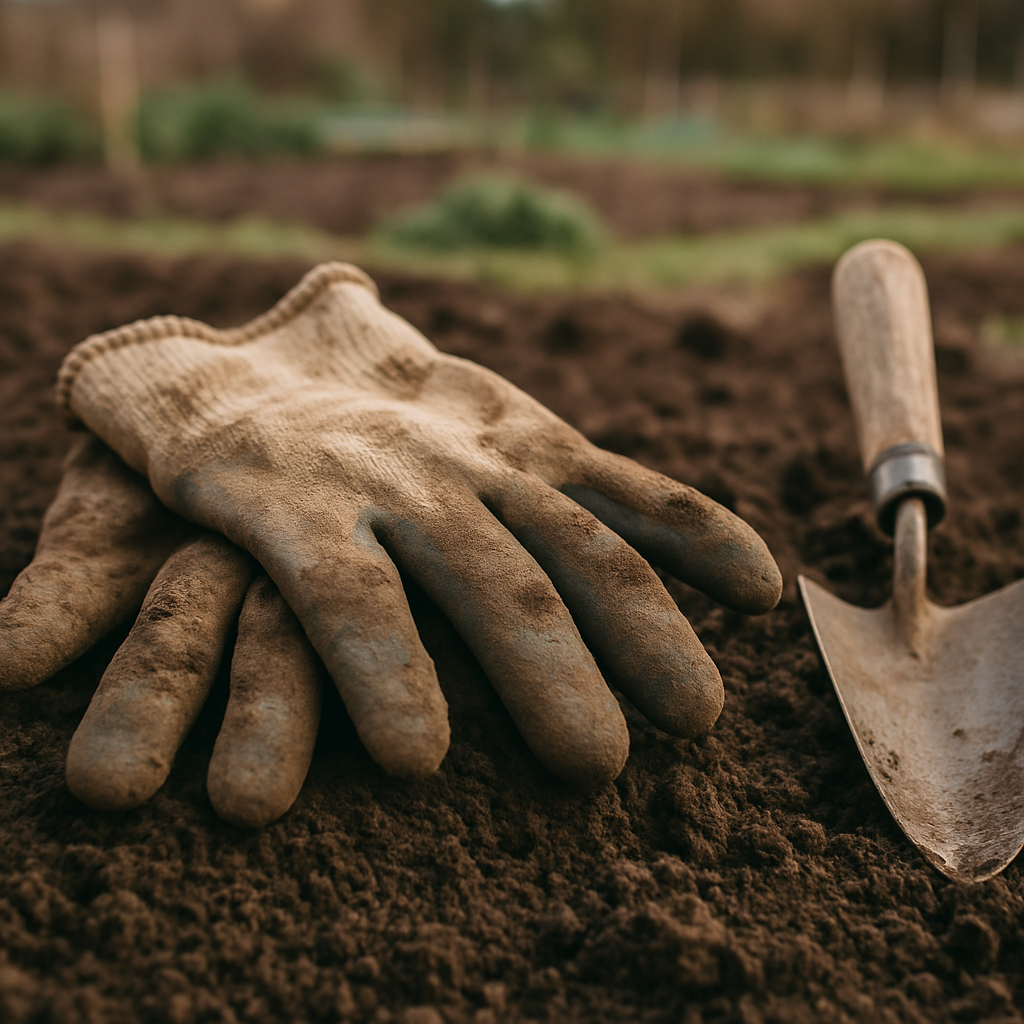
    Gardening gloves and trowel on freshly turned soil at a British allotment

    Then there is the social dimension, and this is perhaps the most underappreciated part. A British allotment site is one of the few remaining places where people of genuinely different ages, backgrounds, and opinions end up next to each other without any particular agenda. You help someone carry a water butt. They show you how to earth up your potatoes. A conversation starts. A friendship, sometimes. It is the kind of organic community that urban planners spend fortunes trying to engineer and allotments produce naturally, for the price of a plot rental that typically runs between £30 and £80 per year depending on your council.

    Getting started without the overwhelm

    The biggest mistake new plot holders make is trying to tackle everything at once. An allotment, particularly one that has been neglected by a previous tenant, can look utterly daunting in March. Brambles, compacted soil, mystery lumps under black polythene. Do not attempt to clear the whole thing in a weekend. Pick a corner, clear it properly, and grow something in it. Success in a small area is far more motivating than a half-cleared plot that still looks like a building site in June.

    Easy wins for beginners include courgettes (almost comically productive once established), salad leaves (cut and come again, ready in weeks), and radishes (sown in April, eaten in May). Onion sets are forgiving, potatoes are satisfying to dig up, and peas give you something to eat straight off the vine while nobody is looking. Save the tricky stuff, the celeriac, the cauliflowers, the artichokes, for your second or third year once you understand your soil and your microclimate.

    Joining your local allotment association, if your site has one, is genuinely worth doing. Experienced plot holders are almost universally generous with advice, surplus seedlings, and the kind of specific local knowledge that no gardening book can give you. They know which varieties do well in your particular patch. They know which pests tend to arrive when. They know which end of the site gets waterlogged in November.

    The bigger picture: what allotments say about Britain

    There is a version of British identity that gets talked about a great deal in the abstract. Resilience, community, making do, quiet pride in practical things done well. The allotment lives all of that out in a completely unselfconscious way. Nobody on an allotment site is performing Britishness. They are just getting on with it, which is, come to think of it, about as British as it gets.

    Small businesses have noticed the trend too. Garden centres like Dobies and Thompson and Morgan have reported strong seed sales for several consecutive years. Independent tool makers have seen renewed interest in quality hand tools built to last rather than cheap alternatives. There is a quiet pride in buying something made properly and using it for twenty years. If you run a small gardening-adjacent business and want more people to find you online, it is worth knowing that something as simple as a free SEO audit can reveal exactly where your visibility is falling short.

    The British allotment revival is not a passing trend dressed up in nostalgia. It is a practical, community-minded, genuinely healthy way to spend time that connects people to the land, to each other, and to something that has been part of this country’s fabric for well over a century. Get your name on the waiting list. It is absolutely worth the wait.