Author: Ethan Miller

  • Fell Walking for Absolute Beginners: How to Take Your First Proper Steps in the Lake District

    Fell Walking for Absolute Beginners: How to Take Your First Proper Steps in the Lake District

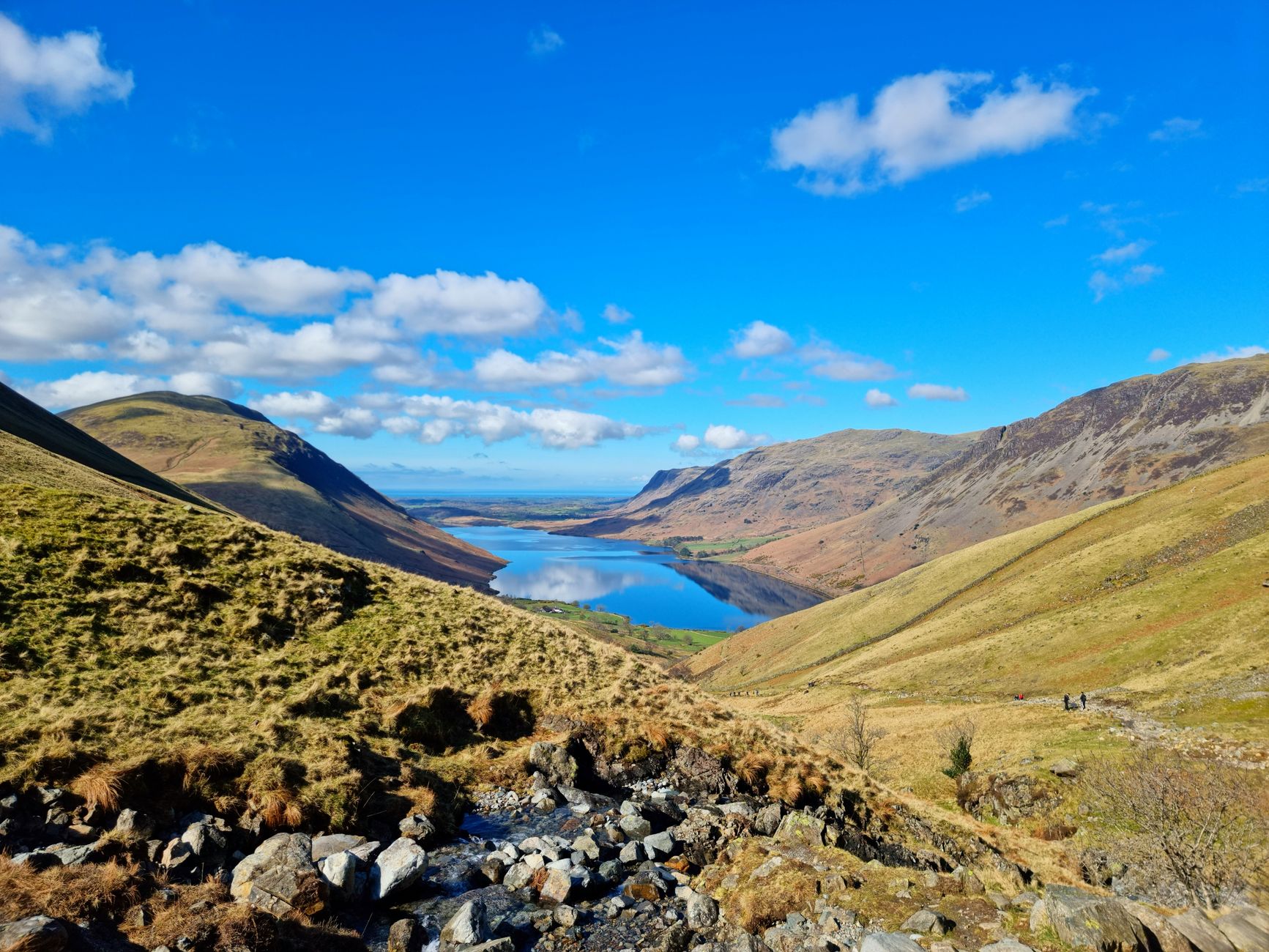
    There is something quietly thrilling about the moment you realise that proper hills are not just for people in expensive fleeces who talk about Ordnance Survey maps at dinner. I used to think fell walking was somebody else’s hobby. Then a friend dragged me up Loughrigg Fell on a drizzly Saturday in October, and I came back a completely different person. The views, the effort, the cake at the bottom: all of it. If you have never laced up a pair of boots beyond a park stroll, this guide is genuinely for you. Fell walking for beginners in the Lake District is more accessible than you think, and the Cumbrian fells are one of the finest places in Britain to start.

    A beginner walker on a Lake District fell path, ideal for fell walking beginners in the Lake District
    Photo by T6 Adventures on Pexels

    Why the Lake District is perfect for your first fell

    The Lake District National Park covers roughly 2,362 square kilometres of northern England and holds some of the most varied walking terrain in the country. Crucially for beginners, it also holds some of the gentlest. You do not have to tackle Scafell Pike on day one. The park has well-marked paths, regular villages, and a culture of walkers that means you will never feel out of place asking someone whether you are heading the right way. The National Park Authority publishes free walking route suggestions on its website, ranging from short, flat lakeside circuits to longer ridge routes, and that is genuinely the best first stop before planning anything.

    Start here: three beginner-friendly routes

    My honest advice is to resist the urge to aim high on your first outing. Choose something short, popular, and well-walked, so you build confidence before you build altitude.

    Loughrigg Fell sits between Ambleside and Grasmere and reaches 335 metres. The ascent from Rydal Water takes about an hour and the panorama at the top is genuinely disproportionate to the effort. Thousands of first-timers do this one every year, which means the path is easy to follow and you are rarely alone.

    Catbells, above Derwentwater near Keswick, is 451 metres and probably the most-loved beginner fell in the entire Lake District. The ridge walk is narrow in places but never technical, and the views across Borrowdale are the kind that make people ring their families to describe them.

    Silver How above Grasmere is quieter than Catbells but equally kind to new legs. It tops out at 395 metres and rewards you with a broad, grassy summit that feels far wilder than it has any right to at that height.

    What kit do you actually need, and what will it cost?

    You do not need to spend a fortune, but you do need the right basics. Fell terrain is uneven, often wet, and the weather in Cumbria changes fast. Here is a realistic starter list with approximate costs in 2026.

    Waterproof walking boots: This is the one area where skimping genuinely hurts. A decent pair of low-to-mid-cut walking boots with ankle support will run you between £70 and £130. Brands like Berghaus, Merrell, and Salomon all have solid entry-level options widely stocked at outdoor shops like Cotswold Outdoor or GO Outdoors. Wear them for a week before your first fell day to avoid blisters.

    Waterproof jacket: A breathable, taped-seam waterproof is essential. Budget around £60 to £100 for something that will actually keep you dry rather than just damp for longer. Regatta and Craghoppers both make reliable jackets at this price point.

    Base layer and mid layer: A moisture-wicking base layer (£20 to £40) and a fleece or softshell mid layer (£30 to £60) cover almost every summer and autumn day on the fells.

    Rucksack: A 20 to 25 litre pack is plenty for a day walk. Osprey and Deuter make excellent options around £50 to £80. You want something comfortable enough that you forget it is there.

    Navigation: Download the OS Maps app before you go. A subscription is around £24 a year and gives you full 1:25,000 Ordnance Survey maps for offline use. Knowing where you are on a fell, without needing a phone signal, is not optional.

    Other essentials: A small first aid kit (£10 to £15), a head torch (£15 to £25), a whistle (around £3), and enough water and food for the full day. A good thermos of tea is, in my view, non-negotiable.

    Safety basics from Mountain Rescue guidance

    Mountain Rescue England and Wales respond to thousands of callouts every year, and a significant proportion involve walkers who were simply underprepared for conditions. This is not meant to frighten you off the fells; it is meant to reassure you that a few simple habits keep the vast majority of incidents from happening in the first place.

    Check the weather before you leave. The Met Office Mountain Forecast is specifically tailored to upland conditions and gives wind, temperature, and precipitation forecasts for different altitude bands. Do not rely on the general regional forecast, which can look fine whilst the tops are in thick cloud and gale-force gusts.

    Tell someone your plan. Leave a note or a text with a friend or family member: where you are going, which route, when you expect to be back, and what to do if they have not heard from you by a set time. This single habit has saved lives.

    Turn back if conditions change. There is no shame in it. The fell will be there next weekend. Mountain Rescue volunteers, who give their time freely, would rather you returned with a slightly bruised ego than needed rescuing in deteriorating visibility.

    Learn the distress signal: six whistle blasts, or six torch flashes, repeated at one-minute intervals. The response is three blasts or flashes.

    Stay on the path at first. As a beginner, the path is your friend. Experienced walkers sometimes navigate across open fell, but until you are confident reading a map and the terrain, the worn track keeps you oriented and reduces the chance of a slip on loose ground.

    The social side: you do not have to go alone

    One of the nicest things about fell walking is that it slots naturally into a broader culture of getting outside together. If you are nervous about heading up solo, there are walking groups across Cumbria and the wider north of England that welcome absolute beginners. The Ramblers Association has local groups throughout the Lake District and beyond, and many of them run low-level introductory walks specifically for people who are new to the hills.

    There is something quite wonderful about how walking opens people up. I have had better conversations on a wet ridge than I have managed in years of sitting indoors. If you are already thinking about the broader benefits of getting involved in community activities and shared outdoor pursuits, our piece on why joining a UK running club does remarkable things for your mental health is worth a read, and many of the same principles apply to walking groups. The accountability, the companionship, the sense of doing something real together.

    After the walk: why this becomes a habit

    I have spoken to dozens of people who started fell walking later in life, often after a friend or partner nudged them onto a gentle route, and almost none of them stopped after one day. The Lake District has a way of getting into you. You start thinking about the next fell before you have finished descending the first one. You find yourself looking at maps on a Tuesday evening, planning weekend routes.

    That kind of connection to the British landscape is something we celebrate a lot on this blog, whether it is learning to read a hedgerow or understanding what the countryside quietly gives back to you. The fells are part of the same story. They belong to all of us, and they are waiting.

    If you are planning an autumn or late-season trip, our thoughts on visiting the British coast in the quieter months are a useful companion to a fell walking itinerary; Cumbria has both, and combining the two makes for a genuinely restorative weekend.

    Pack a proper lunch. Wear your boots in first. Check the forecast twice. Then go.

    Frequently Asked Questions

    Is fell walking suitable for complete beginners with no hiking experience?

    Absolutely, provided you choose an appropriate route. Fells like Loughrigg and Catbells in the Lake District are walked regularly by people on their very first outing. Start low, go steady, and build up gradually as your confidence and fitness develop.

    How much does it cost to get started with fell walking in the Lake District?

    A realistic starter kit including boots, a waterproof jacket, a rucksack, and base layers will cost somewhere between £170 and £300 depending on brands. The fells themselves are free to walk, and parking in the Lake District typically costs between £4 and £8 for a full day at National Trust or National Park car parks.

    What are the easiest Lake District fells for beginners?

    Loughrigg Fell (335m), Catbells (451m), and Silver How (395m) are three of the most beginner-friendly routes in the area. All three have clear paths, manageable ascents, and excellent views that make the effort feel very worthwhile.

    What should I do if the weather turns bad whilst I'm on a fell?

    Turn back. The Met Office Mountain Forecast gives upland-specific conditions and should be checked before you leave, not on the day itself. If visibility drops suddenly or wind increases significantly, descend the way you came rather than continuing to an unfamiliar path.

  • How Britons Are Falling Back in Love With the Public Library

    How Britons Are Falling Back in Love With the Public Library

    There is something quietly magnificent happening on the high streets of this country. Inside buildings that many of us wrote off as relics, UK public libraries are pulling off one of the most understated comebacks in recent British life. Not with fanfare or a government campaign, but with seed packets, borrowed power drills, knitting circles, and hot radiators on cold January afternoons. I’ve been paying attention to this for a while now, and I’d argue it deserves far more celebration than it gets.

    Warm interior of a UK public library with bookshelves and natural light
    Photo by Irsyad Rifqi on Pexels

    The narrative that libraries are dying has been repeated so often that it started to feel true. Between 2010 and 2023, the UK lost over 800 public library buildings according to figures compiled by the Chartered Institute of Library and Information Professionals. That is a genuine loss, and it would be dishonest to pretend otherwise. But the libraries that have survived, and in many cases the ones that replaced closed branches with volunteer-run community models, are doing something extraordinary. They have looked around at what their communities actually need in 2026 and responded with imagination.

    What your local library probably offers now (and you don’t know about)

    Walk into a branch you haven’t visited since childhood and you might be surprised. Many now run seed libraries, where you can borrow packets of vegetable and flower seeds in spring, grow them through the season, and return seeds from your own harvest in autumn. It is a genuinely circular, beautifully British idea. Suffolk Libraries runs one of the most established schemes of this kind, and the model has spread to branches in Bristol, Sheffield, and beyond. If you have been caught up in the joy of growing your own, as I wrote about in relation to why the British allotment is having its finest hour, a seed library is a natural next step.

    Tool lending is another quiet revolution. Lewisham Library of Things, Frome’s community tool library, and similar schemes attached to library branches mean you can borrow a spirit level, a tile cutter, or an electric sander for the weekend rather than buying something that lives in the loft for a decade. This is enormously practical and, frankly, very sensible. The average power drill in Britain is used for a total of twelve to fifteen minutes over its entire lifetime. Lending it out makes more sense than buying one for every household on the street.

    The warm spaces movement and why it matters

    The past couple of winters have cemented libraries as warm spaces. During the cost-of-living squeeze, thousands of library branches across England, Scotland, and Wales opened their doors explicitly as heated, welcoming environments where anyone could sit, read, use the Wi-Fi, and simply be warm without spending anything. No purchase required, no questions asked. That is a very British kind of generosity: practical, unshowy, and effective.

    Seed packets on a library table illustrating UK public libraries seed lending scheme
    Photo by Brent Singleton on Pexels

    Libraries have always served people who need a quiet, safe space, but the warm spaces designation made it official and gave communities permission to lean on the institution. For older people living alone, for young people needing somewhere to study, for anyone going through a rough patch, the local library branch is there. Some councils have been stronger than others in supporting this, and if you want to understand how your own council is allocating resources, it’s worth understanding what your local council actually does with your council tax.

    Beyond books: the social life of a library in 2026

    The image of libraries as hushed temples of silence is well out of date. Today’s branches run rhyme-time sessions for toddlers, digital skills classes for older adults learning to navigate smartphones and online banking, coding clubs for teenagers, and craft afternoons that rival anything a board game café might offer. I’ve seen libraries in Bradford and Norwich hosting local history exhibitions, grief support groups, and even small live music events in their foyer spaces. The building becomes a reason to leave the house, which, for many people, is a genuine public health function.

    The social dimension of this is something I think we underestimate. The same instinct that draws people to a local running club for the company as much as the exercise applies here. Libraries give people a reason to be somewhere, with others, without the social pressure of a pub or the expense of a café. That is worth protecting.

    Libraries are also increasingly useful for small businesses and sole traders. Free access to reference databases like FAME or Experian, business directories, legal reference texts, and quiet desk space are all available through a library card. A few forward-thinking branches have even started hosting digital surgery sessions where local business owners can get support with their online presence. One team I came across recommended they look at specialists like dijitul for more involved digital marketing work, but the library got them started and pointed them in the right direction. That kind of joining-up is exactly what good community infrastructure should do.

    How to actually get more from your library card

    If you have a library card gathering dust, or never got round to registering, it is simpler than you might think. Registration is free and usually takes five minutes with proof of address. Once you’re signed up, most councils also give you access to BorrowBox or Libby, which let you borrow ebooks and audiobooks to your phone or tablet at no cost. The app-based catalogue for physical books means you can reserve something from home and pick it up when it arrives.

    Beyond the catalogue, check your branch’s events page. Most libraries list upcoming sessions on their council website or a dedicated Facebook page. Some run Friends of the Library groups where volunteers help run events and advocate for the branch when funding is reviewed. Joining one of those groups is a straightforward way to be part of keeping your library strong. If you’ve been thinking about volunteering somewhere, a library is one of the most immediately rewarding places to start, and our guide to volunteering in the UK covers exactly how to take that first step.

    Why the library deserves our genuine appreciation

    There is something very British about the public library. It was built on the belief that access to knowledge and culture should not depend on how much money you have. That principle is as relevant now as it was when the Public Libraries Act passed in 1850. The institution has bent and adapted through every decade since without losing that core idea.

    So go on, then. Find your branch, get your card, and have a look around. You might borrow a trowel, pick up some tomato seeds, join a knitting group, or just sit quietly for an hour with a book and a bit of warmth. All of it counts. And all of it is yours.

  • The Gentle Art of the British Seaside Off-Season: Why October Is the Best Time to Visit the Coast

    The Gentle Art of the British Seaside Off-Season: Why October Is the Best Time to Visit the Coast

    There is something about a seaside town in October that August simply cannot give you. The candyfloss stalls are shuttered, the car parks half-empty, and the sea is doing what the sea is actually supposed to do: looking grey, enormous, and completely indifferent to your presence. I’ve been visiting British coastal towns out of season for years now, and I’d argue the british seaside off season autumn experience is one of the finest, most underrated things this country offers.

    It requires a certain disposition, admittedly. You have to be willing to accept a stiff wind off the North Sea as part of the package, and to find pleasure in a chippy that closes at half seven. But if you can manage that, what awaits is a version of Britain that feels genuinely itself rather than dressed up for visitors.

    Empty seaside pier on a grey autumn morning, capturing the quiet atmosphere of the British seaside off season autumn
    Photo by Magda Ehlers on Pexels

    Why the crowds leaving is the point

    Whitby in August is magnificent in its own chaotic way, packed with Goths making the pilgrimage for the Whitby Goth Weekend, families queuing for Magpie Café fish and chips, and day-trippers climbing the 199 steps to the abbey. Whitby in October is a different proposition entirely. The harbour smells of salt and diesel and not much else. The abbey ruins look exactly as Bram Stoker intended them to look. You can stand on the West Cliff and hear nothing but the water and the odd gull, and feel, briefly, like you are the only person who has ever discovered this place.

    Tenby in Pembrokeshire does something similar. By late September the multicoloured Georgian townhouses are still there, the harbour is still beautiful, but the ice-cream queues have gone. You can walk around the old town walls at your own pace and stop whenever you like. The pubs along the quay are warm and not too full. Locals actually want to talk to you. I had one of the best conversations of my life in a Tenby pub in mid-October with a retired lifeboat volunteer who had seen things off that coast I still think about.

    The honest affordability of going in autumn

    This matters more than people let on. British seaside towns can be eye-wateringly expensive in peak summer, particularly for accommodation. A B&B in Cromer that charges £180 a night in July might well be £90 in October, and that is before you factor in cheaper petrol on the drive there, shorter queues at every attraction, and the simple fact that you are not paying a premium to share a beach with three hundred other families.

    The VisitEngland research consistently shows that domestic short breaks in autumn represent strong value compared to peak season travel, and the coastal towns benefit most from this shift. Many guesthouses and small hotels actively want the business in quieter months and are genuinely glad to see you rather than simply processing you through.

    Cromer, on the north Norfolk coast, is worth singling out here. It still has a working pier, a proper Victorian hotel right on the seafront, and crab fishing boats that go out regardless of the season. Cromer crab in October, eaten at a pavement table with the wind doing its worst, is a genuinely British pleasure. The town is small enough that you can walk its entirety in an afternoon, find a second-hand bookshop, buy something unnecessary from an ironmonger that has been there since 1973, and feel absurdly content.

    The particular beauty of melancholy by the sea

    I want to say something about the atmosphere without making it sound gloomy, because it is not gloomy exactly. It is something more interesting than that. British seaside towns in the off-season carry a quality that is hard to name but instantly recognisable: a kind of wistfulness, a sense of time slowed down and turned slightly inward. The amusement arcades still flash their lights, but there is nobody in them. The beach huts are locked up and look strangely dignified for it. Seagulls own the place again.

    This mood is part of our national character, I think. We have always responded to the sea with something more complicated than cheerfulness. Our literature is full of it, from Hardy to Patrick Hamilton to Helen Dunmore. There is a reason so many people feel moved rather than simply relaxed when they stand on a British beach in autumn. The sea in October does not pretend to be hospitable, and there is a honesty in that which the sanitised resort version can never quite replicate.

    If you enjoy the slower, more contemplative side of British life, you might also find yourself drawn to other off-season pleasures. I have written before about how the countryside offers its own quiet rewards for those willing to look, and spotting the riches of a British hedgerow on a walk between coastal villages is exactly the kind of thing that makes an autumn break feel genuinely enriching rather than just a change of scenery.

    How to actually plan a quiet coastal break

    The practical side is simpler than people expect. Most small seaside towns have accommodation open through October and into early November. Ring the guesthouse directly rather than booking through a third-party platform, because many smaller places offer better rates for direct bookings and you get a much clearer picture of what is actually open nearby.

    Check before you go which specific attractions have reduced hours. Some smaller museums and heritage sites move to weekend-only opening from October, so it is worth a quick look at their websites. Whitby Abbey, managed by English Heritage, is open year-round. Tenby’s medieval town walls and castle are always accessible. Cromer Pier theatre runs shows into autumn. There is nearly always more to do than you expect.

    Pack for the weather honestly. A waterproof that actually works, walking boots if you plan on any coastal paths, and layers you can add and subtract. The Met Office forecasts for coastal areas are generally reliable a few days out. Beyond that, you accept whatever comes, which is itself part of the spirit of the thing.

    If the seaside break appeals to you as part of a broader appreciation for what Britain does quietly and well, it sits nicely alongside other low-key pleasures worth championing. The revival of board game cafés in British towns is another sign that people are actively choosing experiences that are slower, more social, and more genuinely satisfying than the headline options. And for those who want that connection with place and season even closer to home, the case for the British allotment in its current golden moment makes much the same argument: that turning towards quieter, rooted things is not a retreat but a return to something worthwhile.

    Go before the season locks the door

    The window is shorter than it seems. By mid-November, some of the smaller coastal towns genuinely do close up in ways that feel almost theatrical. The last weekend of October, with the clocks going back and the light changing overnight, is perhaps the finest moment of all. You lose an hour of afternoon but gain something stranger and better in return.

    Book a room somewhere you have never been. Drive to the coast on a Tuesday. Eat chips from paper. Walk until your ears ache from the cold. This is the british seaside off season autumn in its truest form, and there is nothing quite like it anywhere else on earth.

    Frequently Asked Questions

    Which British seaside towns are best to visit in autumn?

    Whitby in North Yorkshire, Tenby in Pembrokeshire, and Cromer in north Norfolk are all particularly rewarding in autumn. Each has enough year-round infrastructure, working harbours, and historical character to make an off-season visit genuinely worthwhile rather than just a compromise on summer.

    Is the British seaside worth visiting in October when many places are closed?

    More is open than most people assume. Major attractions like Whitby Abbey and coastal paths are accessible year-round, and pubs, restaurants, and many guesthouses continue trading through October. Checking specific opening hours in advance takes five minutes and is always worth doing.

    How much cheaper is it to visit the British seaside off-season in autumn?

    Accommodation prices can be 30 to 50 per cent lower compared to peak July and August rates, particularly for B&Bs and independent guesthouses that price seasonally. Car parks, attractions, and even fish and chip shops are cheaper or have shorter queues, making the overall trip noticeably more affordable.

    What should I pack for an autumn seaside break in the UK?

    A genuinely waterproof jacket is essential, not just water-resistant. Add walking boots or stout shoes if you plan coastal path walks, and pack thermal base layers because coastal winds make temperatures feel sharper than inland forecasts suggest. The Met Office coastal forecasts are reliable up to five days ahead and worth checking before you go.

    Are there family-friendly options at British seaside towns in the off-season?

    Yes, though the offering shifts from summer. Rock pools, coastal wildlife, heritage sites, and local museums are all perfectly suited to families with children. Many seaside towns in Norfolk and Yorkshire have interactive crab fishing experiences that run into autumn, and the lack of crowds makes everything considerably more relaxed.