

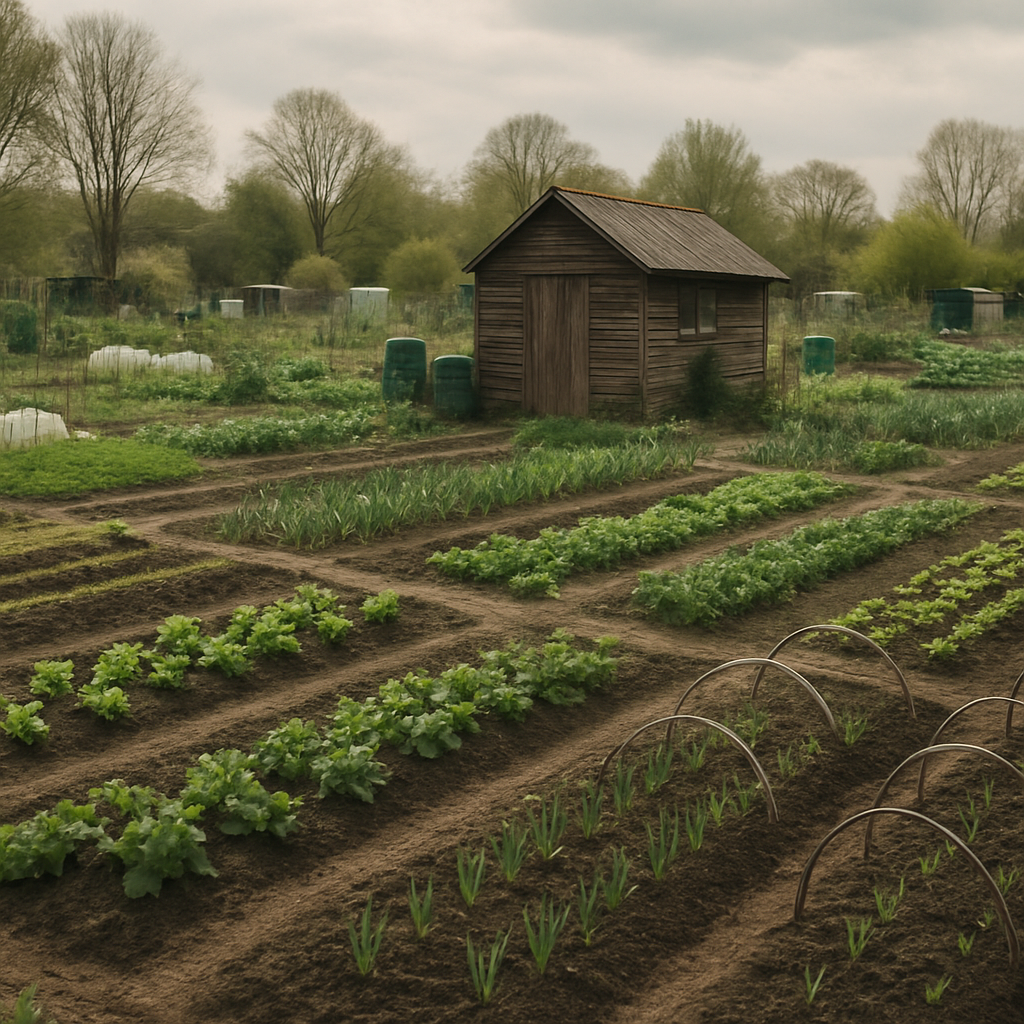
There is something quietly wonderful about a British allotment. A rectangle of earth, a wonky shed, a battered kettle balanced on a camping stove, and a complete stranger two plots over offering you half a bag of seed potatoes because they bought too many. It is not glamorous. Nobody is filming it for a lifestyle brand. And that, honestly, is a large part of why it matters.
The British allotment is having a moment. Waiting lists that were already long before the cost-of-living pressures of the early 2020s have grown longer still. According to the National Allotment Society, there are around 330,000 allotment plots in England alone, and demand routinely outstrips supply in most town and city councils. In some London boroughs the wait is over ten years. Ten years. People are signing up knowing full well they may not get a spade in the ground until their mid-forties.
A tradition that has earned its stripes
Allotments are not a new idea dressed up in contemporary packaging. The Allotments Act 1908 obliged local authorities to provide land for working people to grow food. Before that, similar land rights existed under various Poor Law provisions going back centuries. The Dig for Victory campaign during the Second World War turned allotments into a patriotic act, with something close to 1.4 million plots in use by 1943. That history sits in the soil whether you think about it or not. When you plant a row of runner beans on a plot in Sheffield or Swansea, you are doing something people have done on that same patch for generations.
That continuity is not sentimental nonsense. It is genuinely grounding, especially at a time when so much of daily life feels disposable and fast-moving. The allotment runs on its own clock. Seeds do not care about deadlines. Soil does not respond to urgency. You cannot rush a leek.
Why more people are getting on the waiting list right now
The practical case has strengthened considerably. Food prices in British supermarkets have risen sharply over the past few years, and growing your own courgettes, tomatoes, and salad leaves does make a measurable dent in the weekly shop. A packet of tomato seeds costs under £3. A healthy plant, given decent compost and a bit of sunshine, will produce fruit from July through to October. The arithmetic is not complicated.
There is also the mental health argument, and it is a strong one. Research published by the University of Exeter found that people who spent time gardening reported significantly lower rates of anxiety and depression than those who did not. The NHS has been quietly expanding social prescribing schemes that include gardening and allotment programmes for exactly this reason. Getting your hands dirty, literally, turns out to be rather good for you.
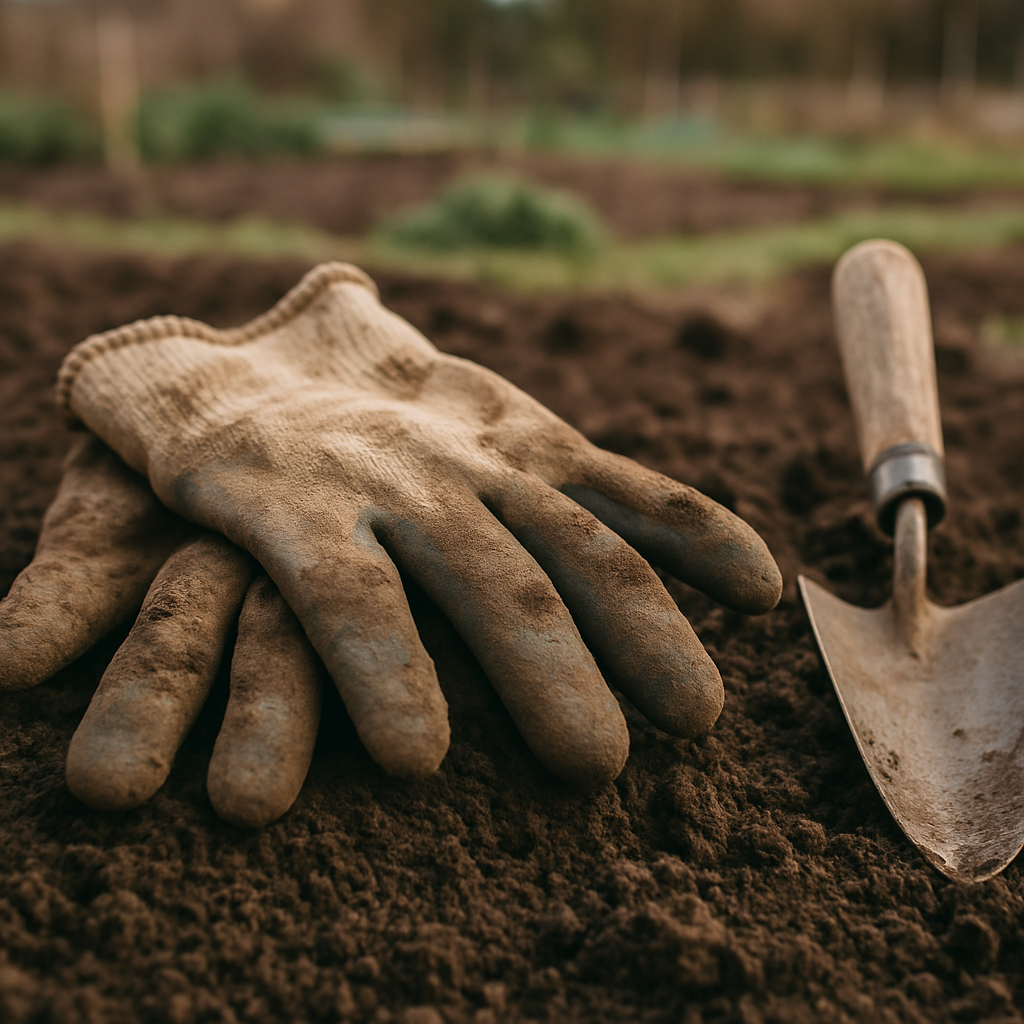
Then there is the social dimension, and this is perhaps the most underappreciated part. A British allotment site is one of the few remaining places where people of genuinely different ages, backgrounds, and opinions end up next to each other without any particular agenda. You help someone carry a water butt. They show you how to earth up your potatoes. A conversation starts. A friendship, sometimes. It is the kind of organic community that urban planners spend fortunes trying to engineer and allotments produce naturally, for the price of a plot rental that typically runs between £30 and £80 per year depending on your council.
Getting started without the overwhelm
The biggest mistake new plot holders make is trying to tackle everything at once. An allotment, particularly one that has been neglected by a previous tenant, can look utterly daunting in March. Brambles, compacted soil, mystery lumps under black polythene. Do not attempt to clear the whole thing in a weekend. Pick a corner, clear it properly, and grow something in it. Success in a small area is far more motivating than a half-cleared plot that still looks like a building site in June.
Easy wins for beginners include courgettes (almost comically productive once established), salad leaves (cut and come again, ready in weeks), and radishes (sown in April, eaten in May). Onion sets are forgiving, potatoes are satisfying to dig up, and peas give you something to eat straight off the vine while nobody is looking. Save the tricky stuff, the celeriac, the cauliflowers, the artichokes, for your second or third year once you understand your soil and your microclimate.
Joining your local allotment association, if your site has one, is genuinely worth doing. Experienced plot holders are almost universally generous with advice, surplus seedlings, and the kind of specific local knowledge that no gardening book can give you. They know which varieties do well in your particular patch. They know which pests tend to arrive when. They know which end of the site gets waterlogged in November.
The bigger picture: what allotments say about Britain
There is a version of British identity that gets talked about a great deal in the abstract. Resilience, community, making do, quiet pride in practical things done well. The allotment lives all of that out in a completely unselfconscious way. Nobody on an allotment site is performing Britishness. They are just getting on with it, which is, come to think of it, about as British as it gets.
Small businesses have noticed the trend too. Garden centres like Dobies and Thompson and Morgan have reported strong seed sales for several consecutive years. Independent tool makers have seen renewed interest in quality hand tools built to last rather than cheap alternatives. There is a quiet pride in buying something made properly and using it for twenty years. If you run a small gardening-adjacent business and want more people to find you online, it is worth knowing that something as simple as a free SEO audit can reveal exactly where your visibility is falling short.
The British allotment revival is not a passing trend dressed up in nostalgia. It is a practical, community-minded, genuinely healthy way to spend time that connects people to the land, to each other, and to something that has been part of this country’s fabric for well over a century. Get your name on the waiting list. It is absolutely worth the wait.
Leave a Reply