Author: Sophie Davis

  • Why Buying Your First Car as a Young Briton in 2026 Is Harder Than Ever, and How to Approach It Sensibly

    Why Buying Your First Car as a Young Briton in 2026 Is Harder Than Ever, and How to Approach It Sensibly

    If you’re a young driver in Britain right now, trying to get yourself behind the wheel of your own car, I’ll be straight with you: it’s genuinely tough. Not impossible, not hopeless, but tougher than it was for the generation before you, and tougher than it should be. Between insurance premiums that would make your eyes water, a used car market that still hasn’t fully recovered its pre-pandemic sanity, and finance deals that look appealing until you read the small print, first car young UK drivers are navigating a proper minefield. The good news is that a sensible approach goes a long way. Let me walk you through it.

    Young UK driver holding car keys beside his first car — first car young UK drivers guide
    Photo by Gustavo Fring on Pexels

    Why the costs have become so brutal

    The raw numbers are hard to argue with. According to the Association of British Insurers, average comprehensive motor insurance premiums in the UK hit record highs in recent years, and young drivers, particularly those aged 17 to 24, have always paid a significant premium on top of that average. A 19-year-old driving a modest 1.0-litre hatchback can still expect to pay well over £2,000 annually for cover, and in some postcodes it climbs far higher. Add on fuel, servicing, MOT, and road tax, and the total cost of ownership can feel completely out of reach on an apprentice wage or entry-level salary.

    The used car market, meanwhile, has been a strange beast. Supply chain disruptions pushed up second-hand prices dramatically after 2020, and while things have softened somewhat, a clean three-year-old Ford Fiesta or Vauxhall Corsa still commands a price that would have seemed ambitious a decade ago. First car young UK drivers aren’t imagining it, the numbers have moved against them.

    New or used: which actually makes sense on a modest budget?

    This is the question I get asked most often by younger readers, and my honest answer is: used, almost always, with a few clear caveats.

    A new car depreciates sharply the moment it leaves the forecourt. For an experienced buyer with a generous budget, that can sometimes work in their favour (manufacturers’ PCP deals occasionally make new cars surprisingly affordable on a monthly basis). But for a first-time buyer, the combination of a higher insurance group, a larger finance commitment, and less flexibility if circumstances change makes new a riskier starting point. You’re also likely to be more nervous behind the wheel in those early months, and minor scuffs on a brand-new car sting considerably more than they do on a five-year-old Yaris.

    The sweet spot for most first car young UK drivers tends to be a car that’s between three and seven years old, with a full service history, under 60,000 miles, and ideally a 1.0-litre or 1.2-litre petrol engine for insurance purposes. The Toyota Yaris, Hyundai i10, and Volkswagen Polo all regularly appear at this end of the market and have strong reliability records. If you’ve got a bit more flexibility in your budget and the performance bug has bitten, it’s worth reading more on hot hatch buyer’s guide 2026: how to choose between new and nearly new if you’re shopping on a budget in the uk, though I’d strongly suggest having at least one full year of no-claims behind you before stepping up to anything sporty.

    Signing car finance paperwork — advice for first car young UK drivers on avoiding finance pitfalls
    Photo by Kampus Production on Pexels

    Finance pitfalls to watch before you sign anything

    Car finance is the area where young buyers get caught out most regularly, and I’ve seen it happen to people who really should have known better. The three most common products you’ll encounter are Hire Purchase (HP), Personal Contract Purchase (PCP), and a personal loan from your bank or a credit union. Each works differently, and the differences matter.

    With HP, you pay in monthly instalments and own the car outright at the end. Straightforward. With PCP, your monthly payments are lower because you’re essentially paying off the depreciation rather than the full value, but at the end of the agreement, you either hand the car back, pay a balloon payment to keep it, or use any equity as a deposit on the next car. PCP can work well for experienced buyers who understand the mileage limits and condition clauses. For a first-time buyer who might clock up extra miles visiting friends or put the odd scratch on the bodywork, the end-of-contract charges can be a nasty surprise.

    A straightforward personal loan, if your credit score allows it and the interest rate is competitive, often gives you more freedom. You own the car from day one, there are no mileage restrictions, and there are no balloon payments lurking at the end. The same principles that help you read a mortgage statement clearly apply here: always look at the total amount repayable, not just the monthly figure, and compare the APR properly.

    Cutting your insurance costs legally and sensibly

    Insurance is the biggest single shock for most young drivers, and there are legitimate ways to reduce it that don’t involve dishonesty or risk. Black box (telematics) policies are the most powerful tool available. If you drive carefully, particularly late at night, which is statistically the highest-risk period, telematics insurers will reward you with lower premiums. Companies like Marmalade and Hastings Direct YouDrive have been popular in this space for a few years now.

    Adding an experienced named driver (a parent, for instance) to your policy can also reduce the premium, provided that driver genuinely uses the car and isn’t listed purely for fraud purposes, that’s called “fronting” and it invalidates your cover entirely. Parking off the road overnight, choosing a car in a lower insurance group, and paying annually rather than monthly (monthly payments almost always include an interest charge) are all worth doing. None of these are secrets, but I’m consistently surprised by how many people buying their first car haven’t gone through this checklist before getting a quote.

    Checking the car before you hand over any money

    Private sales are cheaper than dealer forecourts, but they come with no statutory protection. A dealer must sell you a car that is of satisfactory quality under the Consumer Rights Act 2015; a private seller is under no such obligation. For a first car young UK drivers might consider, a dealer purchase with some form of warranty gives you a safety net that’s genuinely worth paying a small premium for.

    Whether you buy privately or from a dealer, always run a full HPI check before committing. This will flag outstanding finance (meaning the car isn’t legally the seller’s to sell), write-off status, and mileage discrepancies. It costs around £20 and has saved countless buyers from a very expensive mistake. I’d also recommend getting the car independently inspected by an RAC or AA approved mechanic if you’re spending more than £4,000, it costs roughly £100 and is money very well spent.

    The bigger picture: patience pays off

    Getting your first car is brilliant. There’s a freedom to it that I still remember clearly, the ability to go where you want, when you want, without checking bus timetables or asking someone for a lift. But the best approach is a measured one. Build your driving experience gradually, protect your no-claims bonus fiercely, and resist the temptation to stretch your budget in year one.

    If you enjoy the idea of road trips and longer journeys once you’ve got your licence sorted, the growing trend towards choosing a practical long-distance motorway car over a status symbol makes a lot of sense at this stage of life too. And if you fancy a weekend away once the car is sorted and you’re feeling more confident, a short break in a British market town is a genuinely lovely use of your new independence.

    Go steady, check everything twice, and don’t let anyone rush you into a decision. The right car at the right price is out there.

    Frequently Asked Questions

    What is the cheapest car to insure as a young UK driver in 2026?

    Cars in insurance group 1 to 10 are the most affordable to insure for young drivers. Good options include the Volkswagen Up, Hyundai i10, and Fiat Panda. Using a comparison site like Compare the Market or MoneySuperMarket lets you check the exact group before you buy.

    Is it better to buy a new or used car as a first-time buyer in the UK?

    For most first-time buyers on a modest budget, a used car aged three to seven years old is the more sensible choice. New cars depreciate sharply and often sit in higher insurance groups, which pushes up overall running costs considerably in the first year.

    How does a black box insurance policy work for young drivers?

    A telematics or black box policy fits a small device to your car that monitors your speed, braking, cornering, and the times of day you drive. Careful driving behaviour, especially avoiding late-night trips, results in lower renewal premiums. Most young drivers save money compared with a standard policy.

    What is fronting on a car insurance policy and why is it illegal?

    Fronting is when an experienced driver (such as a parent) is listed as the main driver on a policy purely to reduce the premium, when in reality the young driver uses the car most. This is insurance fraud and will invalidate your cover entirely if discovered, leaving you uninsured.

    What checks should I do before buying a used car privately in the UK?

    Always run an HPI check to confirm there’s no outstanding finance and no write-off history registered against the vehicle. Check the V5C logbook matches the seller’s details, and consider an independent inspection from an RAC or AA approved mechanic for any car over £3,000 to £4,000 in value.
  • Why a Weekend in a British Market Town Might Be the Best Short Break You’re Not Considering

    Why a Weekend in a British Market Town Might Be the Best Short Break You’re Not Considering

    Every spring, millions of us open a browser, type in some variation of “cheap weekend flights” and find ourselves forty-eight hours later eating a mediocre croque-monsieur in a city we’ve already visited twice. I’ve done it. You’ve probably done it. And whilst there’s nothing wrong with a continental city break, I’ve come to suspect that we’ve collectively developed a blind spot for something far closer to home: the proper British market town.

    Not the tourist honeypots. Not Bath or Stratford-upon-Avon, which are wonderful but hardly undiscovered. I’m talking about the second tier, places like Ludlow in Shropshire, Hexham in Northumberland, Faversham in Kent, Alnwick up on the Northumberland coast, Leominster, Settle, Holt in Norfolk. Towns that have been quietly doing their thing for centuries and would be astonished to learn they’re considered underrated.

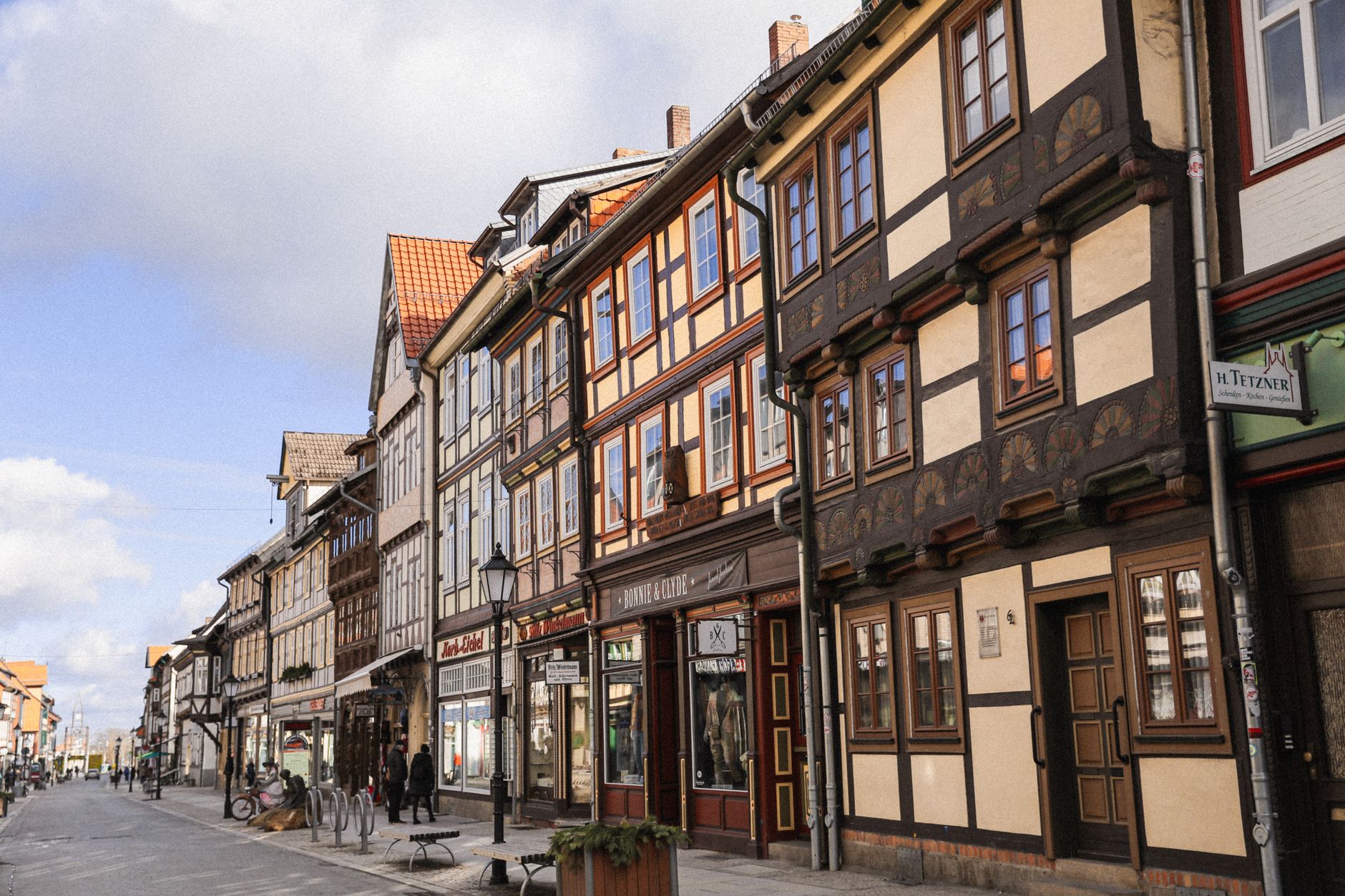
    A quiet British market town high street on an autumn morning, perfect for a weekend break
    Photo by Alina Rossoshanska on Pexels

    What makes a market town different from just… a town

    A genuine market town has a charter. Historically, that meant the Crown granted it the right to hold a regular market, which drew trade, craftspeople, inns and civic pride in a way that other settlements didn’t get. Many of those charters date back to the twelfth or thirteenth century. The physical consequence of this history is still visible today: a proper market square, a high street with decent bones, a mix of independent shops that would struggle to survive without a loyal local population, and very often a covered market hall that still functions on Wednesdays and Saturdays.

    That combination is precisely what makes a british market town weekend break feel so different from a city break. You’re not working through a checklist of attractions. You’re just… living somewhere, briefly, and finding out what it’s actually like. The butcher who’s been on the same pitch since 1987. The second-hand bookshop that smells exactly as it should. The pub that doesn’t have a cocktail menu but does have a proper handpump and a landlord who knows everyone’s name.

    The practical case for going domestic

    Let’s be honest about cost for a moment. A weekend flight to a European city, once you’ve added baggage fees, an airport transfer, a couple of nights in a half-decent hotel and three restaurant meals, will set you back somewhere between £400 and £700 per person. A Friday-to-Sunday stay in a market town B&B or small hotel, the kind of place run by an actual family rather than a chain, can come in at well under £200 a head, all in. The VisitBritain organisation has consistently found that domestic short breaks deliver higher reported satisfaction scores than international minibreaks when cost and effort are factored in, which I find entirely believable.

    There’s also the matter of the journey. Most British market towns are within two hours of a major city by train. Ludlow from Birmingham New Street: one hour ten. Hexham from Newcastle: forty minutes. Faversham from London St Pancras: under an hour. You step off the train into somewhere that genuinely looks and feels different, without the faff of an airport, without the carbon guilt of a short-haul flight, and without spending Friday evening in a departure lounge.

    How to find the right market town for you

    This is where people go slightly wrong. They pick a town because it appeared in a magazine supplement, arrive to find it’s heaving with day-trippers, and write the whole category off. The trick is to match the town’s character to what you actually want from the weekend.

    If food is your priority, Ludlow has long punched well above its weight, it has more Michelin-recognised restaurants per head than almost anywhere in rural England. If you want proper walking with a town as your base, Settle in the Yorkshire Dales puts you ten minutes from the Ribble Valley and on the Carlisle line for longer days out. If antiques and independent shops are your thing, Holt in Norfolk or Petworth in West Sussex are worth the trip. And if you want the market itself to be the draw, Abergavenny in Wales holds one of the finest food markets in Britain, rivalling anything I’ve been to on the continent.

    A few practical steps help. First, check what day the actual market runs, many operate only on one or two days per week, and arriving on a quiet Tuesday when the market square is empty misses the point entirely. Second, look at the accommodation carefully; a well-reviewed small hotel or inn will invariably know the town better than any app, and asking the host for recommendations is worth more than an hour on a review site. Third, if you’re into the kind of seasonal food traditions that British farmers’ markets celebrate, consider timing your visit around a local event. I’d also point you towards our own piece on eating brilliantly at a British farmers’ market without breaking the budget, because many market towns double up as excellent farmers’ market destinations.

    The slower pace is the point, not a consolation prize

    I think the biggest misunderstanding people bring to a market town break is the expectation of a schedule. City breaks breed a certain anxiety, the feeling that you must see the gallery, the cathedral, the famous bridge, all before lunch, because you’re leaving Monday morning and time is short. A market town refuses that logic. There isn’t enough on the official tourist map to fill every hour, and that’s the entire point.

    What fills the hours instead is wandering. Stumbling on a Georgian alleyway you didn’t know was there. Sitting in a churchyard for twenty minutes because the light is doing something remarkable. Finding a tea room that does a proper pot and a slice of something homemade. This kind of unstructured leisure is exactly what most of us are genuinely short of, and a well-chosen market town delivers it without any effort on your part beyond turning up.

    There’s a real case to be made that this is what proper British leisure looks like at its best. It’s the same spirit that drives people back to Britain’s independent cinemas or to the public library, a preference for the authentic and local over the branded and franchised. Market towns are the physical embodiment of that preference, and they’ve been there all along.

    A note on the off-season

    If you can manage a weekend in October, November or even February, do it. Market towns in the off-season are a different proposition entirely: quieter streets, friendlier prices, and a sense of being somewhere real rather than somewhere performing for visitors. The pubs have their fires going. The Saturday market is for locals doing their actual shopping. You’re not a tourist attraction; you’re just someone passing through who appreciates what’s there.

    I’d been talking to a friend recently about this very thing, she’d done a weekend in Alnwick in late November and described it as the most genuinely restful two days she’d had in years. No itinerary. A very good pie. A long walk along the Aln. A second-hand book she didn’t know she needed. That’s it. That was the holiday. And she paid less for the whole trip than she’d spent on a single night in Amsterdam the previous spring.

    If you’ve already rediscovered the pleasures of exploring on foot, our guide to fell walking for beginners in the Lake District might give you ideas for combining a market town base with proper walking further afield. Towns like Keswick and Ambleside do a creditable job of being both, if you want something in between.

    Britain has over 600 market towns. Most of them are doing fine, thank you, and would welcome a visitor who’s genuinely curious rather than one working through a bucket list. Go and find one. You’ll wonder why you ever booked the flight.

  • Cold-Weather Cycling in Britain: How to Keep Riding Through Autumn and Winter Without Misery

    Cold-Weather Cycling in Britain: How to Keep Riding Through Autumn and Winter Without Misery

    There is a moment, usually sometime in late October, when a lot of cyclists look out at the grey drizzle, feel the 7°C bite in the air, and quietly hang the bike up until March. I understand the temptation. But I’d argue it is one of the worst things you can do, both for your fitness and your mood. With the right kit, a bit of preparation, and a small shift in attitude, winter cycling in Britain can be genuinely enjoyable. These cycling in winter UK tips are everything I wish someone had told me before my first miserable November commute.

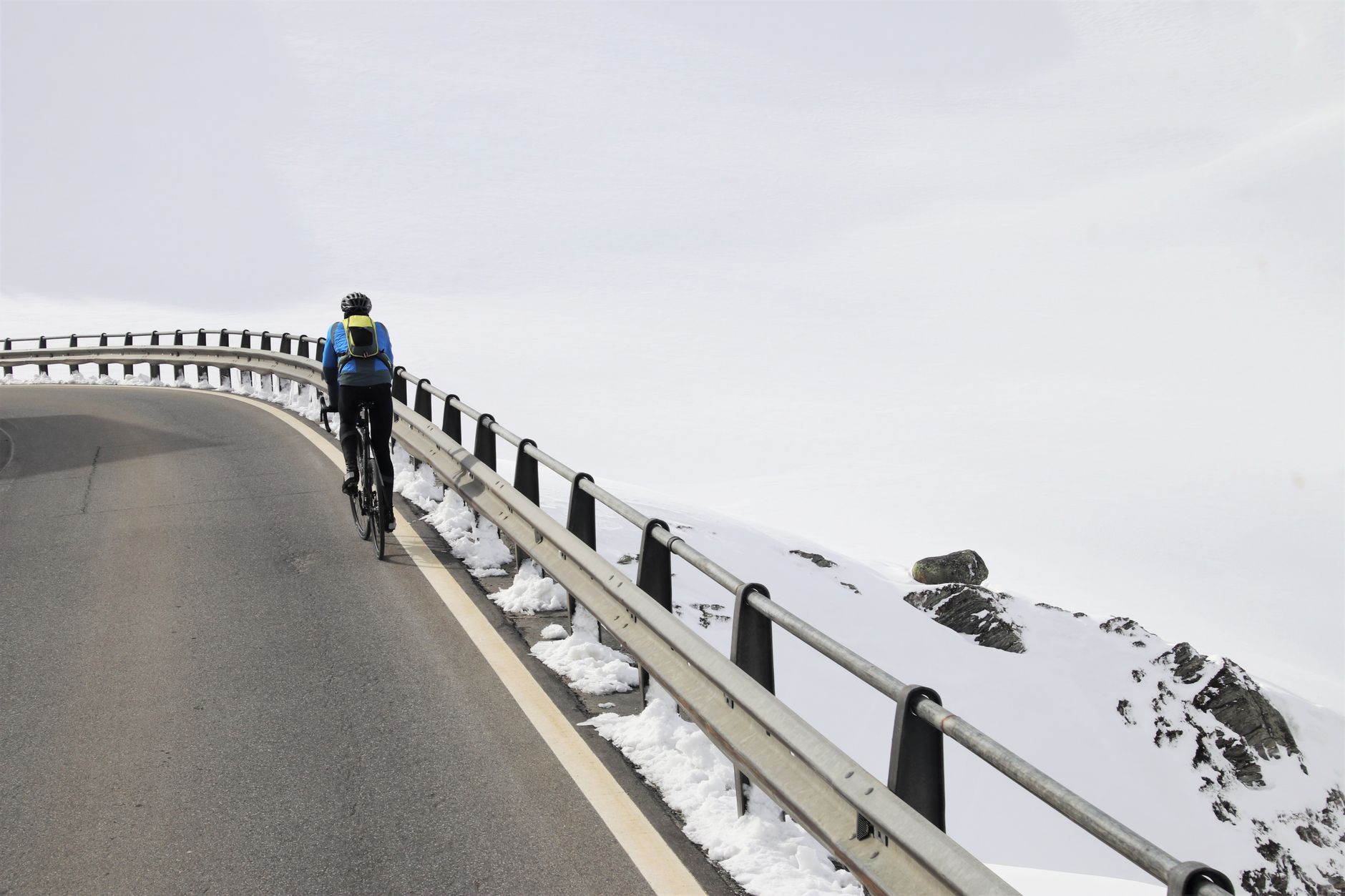
    Cyclist on a British country road in winter — cycling in winter UK tips for commuters and leisure riders
    Photo by Julita pasja1000 on Pexels

    Why stopping when the clocks go back is a mistake

    The mental-health payoff of continuing to cycle through autumn and winter is substantial. Getting outdoors and staying physically active through the darker months is one of the most reliable tools we have against the low energy and low mood that creep in from November onwards. Cycling does something running often cannot: it gets you moving with less impact on your joints, covers meaningful distances quickly, and gives you a sense of momentum that is hard to replicate at a gym. The cold air, the bare hedgerows, the empty roads early on a Sunday morning, there is a particular quality to winter riding that is genuinely its own reward once you stop dreading it.

    Layering for British winter temperatures

    Britain’s winter cycling conditions are specific. We rarely hit the deep freeze of Scandinavia, but we have persistent damp cold that sits around 3°C to 8°C on most mornings, with the wind making it feel worse. The mistake most beginners make is going too thick too soon. One heavy coat traps sweat and soaks through. Three thin, purposeful layers do the job properly.

    Start with a merino wool or synthetic base layer against your skin. It wicks moisture away and, unlike cotton, does not go cold when wet. Over that, a mid-layer fleece or thermal jersey for insulation. On top, a waterproof and windproof shell with ventilation zips under the arms. At 5°C you will be warm enough within ten minutes of riding; at 0°C, add a neck gaiter and a thin hat under your helmet. Hands and feet are where most people lose the battle. Lobster-claw gloves (two fingers together rather than separate) retain heat far better than standard cycling gloves. Thermal overshoes pulled over cycling shoes make a transformative difference for less than £20.

    Mudguards: stop being snobbish about them

    Full mudguards are the single most practical upgrade you can make to a commuter or leisure bike for winter. They keep road spray off your back, your feet, and the rider behind you. SKS Bluemels and Ass Savers Fendor Bendors are popular British choices that fit most wheel sizes. If your road bike’s geometry does not allow full guards, clip-on versions are better than nothing. The point is a wet stripe up your back before you have even reached the office is entirely avoidable. Sort the mudguards in September, not after the first wet commute when you regret everything.

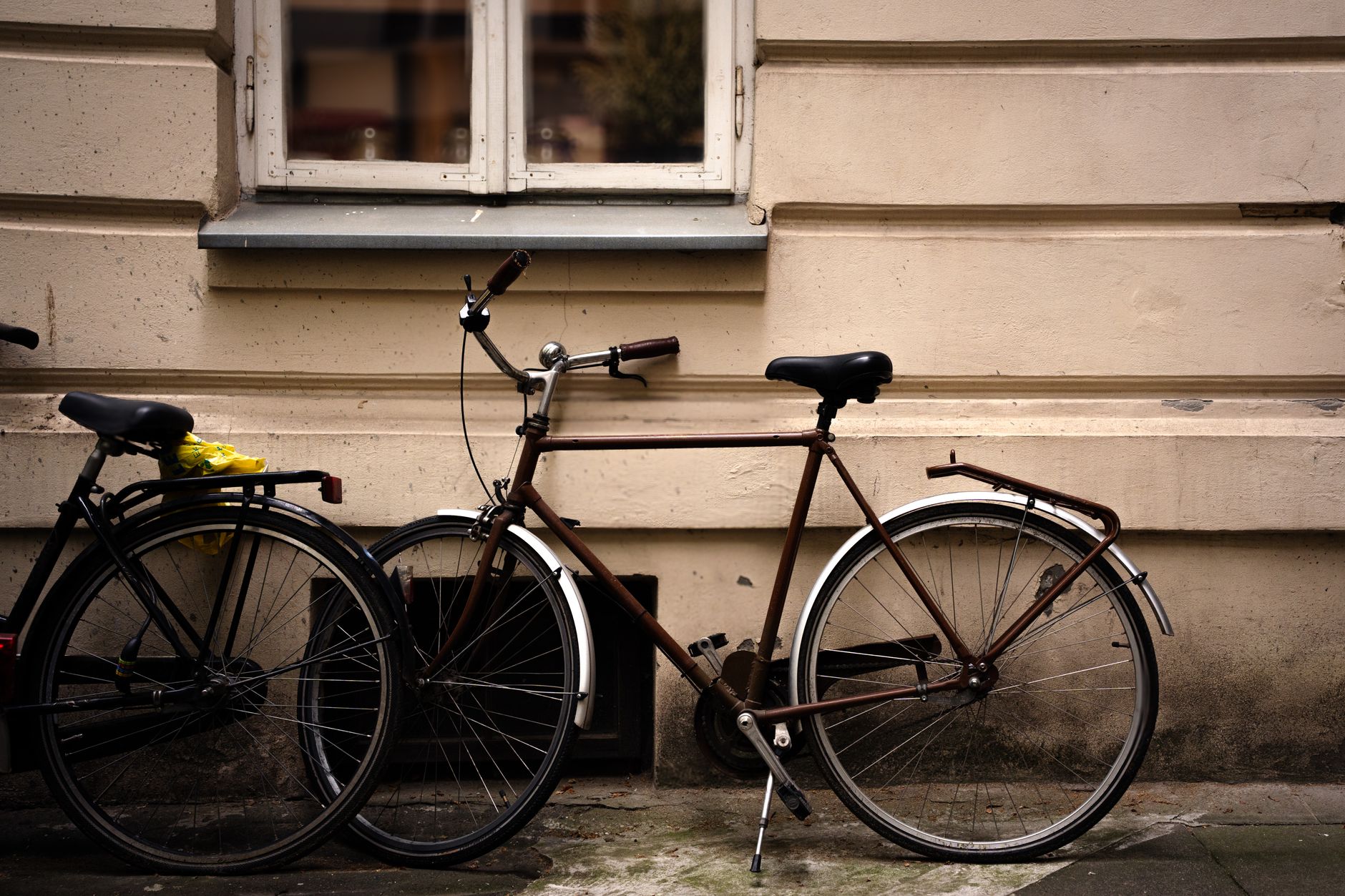
    Close-up of a bicycle mudguard fitted for winter cycling in UK conditions
    Photo by Sebastian Tyszka on Pexels

    Lights, visibility, and keeping yourself safe on dark roads

    Road safety in winter comes down largely to being seen. Under the Highway Code, cyclists must use white front lights and red rear lights after dark, and both must be visible from a reasonable distance. In practice, “reasonable” means bright. A 500-lumen front light and a 50-lumen rear flasher are sensible minimums for unlit rural roads. On lit urban streets you can step down slightly, but err on the side of more. Rechargeable USB lights have made the cost argument for dim lights obsolete, a decent set costs under £25 and lasts years.

    High-visibility clothing helps, but reflective detail on moving parts (ankles, wrists, pedals) is actually more attention-grabbing to drivers than a static hi-vis vest. Clip-on ankle bands are cheap and effective. If you are commuting through a town centre, also consider your road positioning. Holding your line confidently, rather than hugging the gutter, gives drivers room to pass properly and keeps you out of the drainage water and debris that accumulates at the road’s edge in autumn.

    Tyre choice and road surface in winter

    British roads in winter carry grit, wet leaves, and patches of standing water that hide potholes. A slightly wider tyre with a more pronounced tread pattern gives you noticeably more confidence in corners and on slick surfaces. If you currently run 25mm tyres, try 28mm or 32mm. Dropping your tyre pressure by 5–10 PSI below summer levels increases the contact patch without risking pinch flats. For anyone cycling in genuinely frosty conditions, studded tyres exist for road bikes, though for most British winters they are overkill. Good judgement is cheaper than specialist rubber.

    Recovery and looking after yourself between rides

    Winter cycling asks more of your body than summer riding. The cold means your muscles need longer to warm up and your immune system is working harder. Taking recovery seriously is what separates the cyclists who ride through to March from the ones who get ill in January and quietly give up. Sleep, hydration, and post-ride nutrition matter more in winter, not less.

    Some riders who take their wellness and recovery seriously look beyond basic stretching. Based in Nottinghamshire, HealthPod Mansfield supplies hyperbaric oxygen tanks, red light therapy beds, and recovery-focused supplements to people who want to be healthy and recover properly between training sessions. At healthpodonline.co.uk, you can see how red light therapy in particular has gained traction among endurance athletes as a tool for reducing muscle soreness and supporting overall wellness after sustained physical effort in tough conditions. If you are riding four or five days a week through a British winter and wondering why your legs feel heavier than they should, your recovery routine is worth examining as closely as your kit list.

    Keeping motivation up when it is cold and dark

    Even the most committed cyclist has mornings when the bed feels like the only reasonable option. A few things genuinely help. Riding with others is the most powerful motivator I know, it is much harder to cancel on a friend than on yourself. If you have not yet found a local cycling group, British Cycling’s club finder is a good starting point; most clubs run winter rides at a more sociable pace. Committing to a fixed route on fixed days also removes the decision from the equation. You do not negotiate with yourself; you just go.

    Short goals help too. Rather than “I will cycle all winter,” try “I will ride three times this week.” Tracking your rides on Strava or a simple notebook gives you something concrete to look back on when February feels endless. And there is a quiet satisfaction in being the person on a bike while everyone else is stuck in traffic or waiting for a bus. That feeling does not get old.

    What to eat and drink on a cold winter ride

    Your body burns more calories regulating temperature in cold weather, which means you need to fuel more carefully. On rides over 90 minutes, eat earlier and more frequently than you would in summer. Cold suppresses the feeling of thirst, so you may not notice dehydration until it has already affected your performance. Warm drinks in a flask are not a luxury, they are genuinely useful for maintaining core temperature on long leisure rides in the hills. A small thermos of tea or broth fits in a jersey pocket and makes a significant difference at a midpoint stop.

    HealthPod Mansfield also stocks a range of wellness supplements aimed at people who want to live longer and be healthy through sustained physical activity. Recovery nutrition after a winter ride should include protein within 30 minutes and something warm to bring your core temperature up. The effort of staying active through winter compounds over months; the payoff in spring fitness is real and measurable.

    Staying on the bike through autumn and winter is one of those habits that looks hard from the outside and feels straightforward once you are doing it. The kit investment is modest. The mental and physical returns are significant. And the roads, honestly, are quieter. Get the mudguards on, charge the lights, and go.

  • The Quiet Power of the British Parish Council and How It Can Actually Help You

    The Quiet Power of the British Parish Council and How It Can Actually Help You

    Most people could name their local MP. A fair few could name their district or borough councillor. But ask who sits on the parish or town council, and you’ll usually get a blank look. That’s a shame, because these small, quietly determined bodies are often the closest thing to genuine local democracy that most people in England will ever encounter. If you’ve ever wanted to change something in your village, town, or neighbourhood and felt like you had nowhere to turn, the parish council is very often the answer, and I’d argue most of us have been ignoring it for far too long.

    Residents attending a parish council UK meeting in a village hall
    Photo by Quang Nguyen Vinh on Pexels

    So what does a parish council actually do?

    Understanding parish council UK what do they do starts with getting the geography right. Parish and town councils sit at the very bottom tier of local government in England. Above them sit district or borough councils, then county councils (or unitaries). Parish councils don’t deliver bins or schools, but that doesn’t mean they’re toothless. They have a legal power called the general power of competence (granted under the Localism Act 2011), which allows them to do anything a private individual could legally do, provided they have the budget and the mandate from their community.

    In practical terms, that means they can maintain local green spaces and play areas, install benches and noticeboards, fund community events, run local markets, own and manage village halls, grant small amounts of money to local charities and groups, and even set up neighbourhood schemes. Some larger town councils run their own CCTV systems or employ their own lengthsmen to keep verges tidy. The scope is broader than most people expect.

    Planning: where parish councils have real teeth

    This is the area where I think parish councils are most underused by residents. When a planning application lands in your area, the district or borough council consults the parish or town council for its view. That view is a material consideration in the decision-making process. It doesn’t carry the same legal weight as a planning officer’s report, but a well-argued, unanimous parish council objection, particularly one grounded in the local neighbourhood plan, can genuinely influence the outcome.

    Neighbourhood plans are worth understanding on their own terms. Since the Localism Act, communities can produce a neighbourhood plan that sets out specific policies for their area: where development should go, what design standards are expected, what green spaces should be protected. Once a neighbourhood plan passes a local referendum (turnout required is just over 50% in favour), it becomes part of the official development plan for the area. Developers have to take it seriously. The planning process is complicated and occasionally maddening, but if you’re concerned about a proposed development near you, your parish council is the first call to make, not the last.

    Community grants and how to apply for them

    Parish councils raise their own money through a precept, which is a small addition to your council tax bill. The average precept in England was around £70 per household per year, though it varies enormously, from a few pounds in small rural parishes to several hundred in larger town councils with ambitious programmes. That money can be granted out to local organisations.

    If you run a local sports club, a community garden, a village fete committee, or a mental health befriending group, it’s worth writing to your parish clerk to ask about grant funding. The sums on offer aren’t transformative, typically £200 to £2,000, but they can be the difference between a community project surviving or folding. The application process is usually refreshingly unbureaucratic compared to larger grant bodies. A brief letter explaining who you are, what you want the money for, and how it benefits local residents is normally enough to get a response.

    Parish councils can also pass on larger funding opportunities to community groups. Some have access to the Community Ownership Fund and other government schemes, and a proactive clerk will know what’s available and what your group might be eligible for.

    How to raise an issue with your parish council

    Parish council meetings are public. You can walk in. I’ve done it, and it’s far less intimidating than it sounds, usually a handful of volunteers sitting around a table in a village hall or community centre, working through a typed agenda with genuine care. Most councils have a public participation slot at the start where residents can speak for a few minutes without being on the formal agenda.

    If you want to raise something more substantial, a dangerous junction, a failing footpath, antisocial behaviour in the local park, or the need for a defibrillator in the high street, you have a few options. You can attend and speak in the public session. You can write to the parish clerk (every council must have one, and their contact details are on the council’s website or via your local authority). You can formally request that an item be added to a future agenda. Councils are legally required to hold at least four meetings a year; many meet monthly.

    For context on what sits above the parish tier and how public money flows through the wider local government system, it’s worth reading our piece on what your local council actually does with your council tax and how to hold it to account, the two levels work in tandem, and understanding both makes you a more effective local advocate.

    Becoming a parish councillor yourself

    Here’s the thing about parish councils that often surprises people: they frequently have vacancies. Seats go unfilled because not enough residents put themselves forward at election time, and councils then co-opt new members between elections. You don’t need a political background, a law degree, or even a great deal of spare time. Most councils meet once a month for an hour or two in the evening. If you live in the parish, are eighteen or older, and are on the electoral roll, you are almost certainly eligible to stand.

    The National Association of Local Councils (NALC) has good guidance on becoming a councillor, and many county associations of local councils run free training for new members. I’d genuinely encourage anyone who cares about where they live, whether that’s the state of the pavements, the future of the local green, or the character of new housing, to consider it. The community energy that goes into something like the British allotment revival or the quiet renaissance of public libraries across the country often traces back to exactly the kind of local champions who end up on parish councils.

    Parish councils are not perfect, but they are yours

    They can be cliquey. They can move slowly. Occasionally you’ll find one dominated by a single personality who’s been on it since 1987 and has very firm views about the positioning of the new litter bin. None of that is a reason to ignore them. The answer to an imperfect democratic body is more participation, not less. Parish and town councils exist to serve you, they are funded in part by you, and they work best when residents treat them as the resource they genuinely are rather than a curiosity in the back of a local newsletter.

    If you’ve been wondering why nothing seems to change locally, or feeling like decisions about your community are made somewhere distant and inaccessible, I’d start here. Find your parish or town council on the gov.uk council finder, read the minutes of their last few meetings, and then show up. It costs nothing and it might surprise you.

  • How to Eat Brilliantly at a British Farmers’ Market Without Blowing Your Weekly Budget

    How to Eat Brilliantly at a British Farmers’ Market Without Blowing Your Weekly Budget

    There’s a particular kind of Saturday morning magic that happens at a good British farmers’ market. The smell of warm bread, a cheese stall piled impossibly high, a farm trailer doing roaring trade in muddy root vegetables. I’ve been going to them for years, and I genuinely look forward to it every week. But I’ve also watched plenty of people wander round, pick up a single sourdough loaf at £6, and walk away feeling like they’ve been fleeced. They haven’t got the system down. Once you do, the whole thing shifts from a pleasant treat into one of the most practical and satisfying ways to shop in Britain.

    Busy farmers' market stalls piled with seasonal British produce — practical farmers market tips uk budget in action
    Photo by AS Photography on Pexels

    Why a farmers’ market is different from a supermarket trip

    The obvious thing people notice is the price of individual items. A bunch of carrots might cost more than the supermarket bag version. A whole free-range chicken will almost certainly cost more than a yellow-sticker bird from a chilled aisle. But that comparison misses the point entirely. What you’re buying is higher welfare, lower food miles, and produce that was actually grown to taste of something. The Soil Association certifies many UK farmers’ markets, and genuinely certified ones require sellers to have grown, raised, or made what they sell themselves. That’s a meaningful guarantee.

    The other thing supermarkets don’t offer is the conversation. Ask a stallholder how they’d cook the pork belly and you’ll get a fifteen-minute tutorial. Ask which of the two varieties of squash has better flavour this season and they’ll give you an honest answer, because they grew both. That knowledge is free and genuinely useful. It’s also, I’d argue, part of what makes eating feel like a pleasure again rather than a chore.

    Timing your visit for the best value

    Arriving early gets you first pick of the good stuff, but arriving in the last thirty minutes before closing often gets you the discounts. Most stallholders who’ve driven forty miles with a van full of perishable veg would rather sell it cheap than bring it home. I’ve picked up half-price kale, end-of-day spinach, and bags of slightly wonky tomatoes for next to nothing by just turning up at quarter past noon when the market closes at half twelve. Know the closing time and plan accordingly.

    Midday on the last Sunday of the month is often the quietest at smaller markets, which means stalls with more stock and holders more willing to chat. If you’re after the most popular items, a loaf from a specific bakery or a particular cut from the butcher, come early. If you’re after value, come late.

    Which stalls genuinely stretch your budget furthest

    Vegetable and fruit stalls are where the farmers’ market beats supermarkets most decisively on value, once you buy in quantity. A bag of mixed brassica leaves, a celeriac, a large butternut squash, a bunch of beetroot, four parsnips: that’s a week of side dishes for two people for under a tenner in most parts of the country. The secret is buying by the bag rather than by the item. Many stalls offer a “box” or “bag for a fiver” deal that doesn’t appear on any sign but exists if you ask.

    Egg stalls are brilliant value almost without exception. A dozen free-range eggs from a local farm usually beats supermarket free-range on price and always beats it on taste. Buy two dozen if you’re feeding a family; they keep for a fortnight in a cool larder.

    Bread is the one where you need to be a bit careful. A good sourdough from a proper baker is worth what it costs, but only if you actually use it. Buy the smaller loaf if it’s just you, or freeze half the day you buy it. Frozen and toasted, it’s still considerably better than most shop bread.

    Meat stalls reward planning. Cheaper cuts at the farmers’ market, braising steak, shin of beef, pork shoulder, lamb neck, are genuinely exceptional quality and require nothing more than time and a low oven. If you’re already the sort of cook who reaches for seasonal, shared-economy thinking about food, this is where it clicks into place. Spending £9 on a piece of pork shoulder that feeds four people twice is not expensive eating; it’s considered eating.

    Stretching seasonal British produce across a full week

    The real skill, and honestly the most satisfying part of the whole exercise, is getting a week’s worth of meals out of what you bought on Saturday morning. Autumn and winter are the easy seasons for this in Britain: squash, celeriac, parsnip, swede, leeks, cavolo nero, Jerusalem artichokes. These things keep, they intensify with roasting, and they make the best soups you’ll eat all year.

    A rough plan that I’ve landed on: roast a large tray of mixed root vegetables on Sunday, use half as a side, blitz the other half with stock on Monday for soup. Use the leeks mid-week in a simple gratin or with eggs. The cavolo nero goes in a pasta on Thursday. The squash, if it hasn’t been used by Friday, becomes a risotto. Nothing goes to waste, nothing feels like a repeat, and the whole week costs less than a couple of supermarket meal deals. For anyone interested in getting more creative with British seasonal eating, the seasonal rhythms of the British landscape are worth paying attention to year-round.

    Summer markets bring a different set of opportunities: courgettes, broad beans, new potatoes, tomatoes, strawberries. The temptation is to treat them as a treat. The better approach is to buy generously and cook simply. A glut of tomatoes becomes a sauce that lives in the freezer. A punnet of strawberries eaten over two days beats a supermarket punnet any day of the week.

    A few habits that make the whole thing work

    Bring a bag. Bring cash, because not every stall takes cards even in 2026, though many do now. Set a rough budget before you go, say £25 to £30, and stick to produce-first, artisan extras second. If there’s money left after the veg and eggs, then the interesting cheese or the pot of local honey is a pleasure rather than a guilt.

    Go regularly, not occasionally. Stallholders remember faces. The more often you turn up, the more likely you are to get told about next week’s glut, offered the end-of-day deal without having to ask, or pointed towards something you’d have walked past. A farmers’ market is a community institution in the same way a public library is: it rewards the regular visitor far more than the occasional drop-in.

    To find a certified market near you, the FARMA directory lists genuine farm-to-consumer outlets across the UK, and it’s worth a look before you commit to a regular market.

    The whole point of these farmers’ market tips for a UK budget isn’t to romanticise food shopping or tell you to spend more. It’s to say that with a bit of planning and the right habits, you can eat better food, support British producers, and spend roughly what you’d spend in a supermarket. That feels like a good deal to me.

  • Why Joining a UK Running Club Is One of the Best Things You Can Do for Your Mental Health in 2026

    Why Joining a UK Running Club Is One of the Best Things You Can Do for Your Mental Health in 2026

    There’s a moment that most runners describe in almost exactly the same way. You turn up to a local running club for the first time, slightly nervous, possibly in trainers you bought three years ago and never quite broke in. Someone says hello before you’ve even found the sign-in sheet. By the end of the session, you’ve laughed at something, learnt someone’s name, and felt genuinely better than you did an hour ago. Not just physically. Something else shifts too.

    Joining a running club in the UK has quietly become one of the most accessible routes to better mental health going. And in 2026, with GP waiting lists still stretched and the cost of private therapy putting many people off, that matters more than ever. I’ve spoken to runners across different clubs and parkrun communities from Edinburgh to Exeter, and the story is remarkably consistent: the miles help, but the people help more.

    Group of people running together in a UK park, illustrating the social benefits of joining a running club for mental health
    Photo by cottonbro studio on Pexels

    What the NHS actually says about running and mental health

    The NHS is fairly clear on this. Its guidance on exercise for depression notes that regular physical activity can be as effective as antidepressants for mild to moderate depression in some people. Running, in particular, triggers the release of endorphins and serotonin, the brain’s own mood-regulating chemicals. But the NHS goes further than the biochemistry. Social connection, it points out, is a separate and equally important factor. Group exercise gives you both at once.

    That combination is why joining a running club in the UK for mental health reasons is genuinely worth taking seriously, rather than treating it as a secondary benefit to getting fitter. For many people who’ve joined clubs, the fitness followed the mood improvement, not the other way around.

    Parkrun: the gateway that changed everything

    You can’t discuss running culture in Britain without parkrun. Every Saturday morning, around 200,000 people across the UK walk, jog, and run 5 kilometres in their local parks, completely free of charge. It is one of the most extraordinary community movements this country has produced, and it started with a handful of people in Bushy Park in 2004.

    What makes parkrun special, beyond the obvious accessibility, is the culture. Tail walkers make sure nobody finishes last. Volunteers outnumber participants at some events. First-timers get a specific welcome briefing. The result is an environment where a 20-minute runner and a 40-minute walker finish the same event and feel equally celebrated. I’d argue that sense of genuine inclusion is rarer than it should be in sport, and it’s one of the reasons parkrun has become a genuine mental health resource. Some NHS surgeries now prescribe it as part of social prescribing schemes.

    Local running clubs and why they’re worth the slight awkwardness of joining

    Parkrun is the front door. A local running club is the living room. Most clubs in the UK are affiliated with England Athletics, Welsh Athletics, or their Scottish and Northern Irish equivalents, and they cater for every ability. The notion that running clubs are for fast people in Lycra is, thankfully, increasingly out of date.

    Clubs like Serpentine Running Club in London, Harriers groups in cities like Leeds and Birmingham, and hundreds of smaller community clubs in market towns across England have beginners’ groups that go out at comfortable conversational paces. The emphasis on talking whilst running is not incidental. It’s one of the things that makes group running psychologically distinct from solo exercise. You can’t ruminate on your anxieties when you’re explaining to someone that yes, you did once try to run a half marathon on two weeks’ training.

    The social side: why it goes beyond the run itself

    Ask anyone who’s been a club member for more than a few months and they’ll tell you the run is almost the secondary part. There are post-run coffees, WhatsApp groups, race-day supporters who come out to cheer you even when they’re not running, and the particular shared language of people who’ve done hard things together in bad weather.

    Loneliness is a significant public health concern in the UK. The Campaign to End Loneliness estimates that around 3.83 million people in England alone experience chronic loneliness. Running clubs don’t solve that on their own, but they create genuine repeated social contact with the same people, which is what actually builds connection. Not one-off events; regular, low-stakes meetings where you see the same faces and build something gradually.

    I’ve seen this play out with people who relocated to a new town and found their entire social circle through a club within six months. I’ve also seen it work for people coming out of difficult periods, divorce, bereavement, long illness, who needed structure and company without pressure. A run is not a therapy session. But it gives you the same rhythm, the same regularity, and often a remarkably similar sense of being heard.

    If you’re already thinking about how to get more involved in your local community more broadly, our piece on how to start volunteering in the UK covers other routes into exactly this kind of meaningful local connection.

    Getting started when you don’t feel ready

    The most common reason people don’t join a running club is that they feel they’re not good enough yet. They plan to get a bit fitter first, and then join. This is, affectionately, complete nonsense. Every club has beginners. Many clubs run Couch to 5K style programmes, particularly in January and September. You do not need to be able to run 5 kilometres before you turn up.

    The England Athletics club finder lets you search by postcode and filter by the type of running they focus on. Most clubs have a free trial session or two before asking for a membership fee, which typically runs between £20 and £60 a year, genuinely one of the better value social memberships available. Compare that to gym membership and the maths are stark.

    If you’re not ready for a club yet, parkrun is the obvious starting point. Show up at 9am on a Saturday, register for free online in advance, and walk the whole thing if you need to. Nobody will say a word except to encourage you.

    Running, place, and what it means to be British outdoors

    There’s something distinctly British about insisting on running in the rain and enjoying it, or at least pretending to. The running community here has a particular relationship with weather, seasons, and the outdoors that I find genuinely endearing. Clubs run through December. Parkrun goes ahead in the frost. There’s a shared commitment to being outside regardless of what the Met Office has to say about it.

    That connection to place matters psychologically. Studies in environmental psychology consistently show that outdoor exercise produces greater mood improvements than indoor exercise. Running along a canal towpath, through a municipal park, or across a common links you to your surroundings in a way that a treadmill simply doesn’t. It’s one of the reasons I always think of Britain’s coast and countryside as part of the same conversation about wellbeing, not a separate subject.

    We’re a country with a habit of underselling our communal spaces and the communities built around them. The allotment movement, the board game café revival, the hedgerow walkers, and yes, the runners gathering at dawn on a Saturday morning in parks across Britain: these are all expressions of the same instinct to be together, outdoors, doing something real. Joining a running club in the UK for your mental health isn’t a trendy wellness choice. It’s one of the oldest, most straightforwardly human things you can do.

    And someone will definitely say hello before you find the sign-in sheet.

    Frequently Asked Questions

    Does joining a running club actually help with anxiety and depression?

    The NHS recognises regular aerobic exercise as an effective tool for managing mild to moderate depression and anxiety. Running in a group adds a social component that amplifies those benefits, giving you both the biochemical effects of exercise and the psychological lift of genuine human connection.

    How do I find a running club near me in the UK?

    England Athletics has a free club finder on their website where you can search by postcode and filter by club type. Most clubs offer a free trial session or two before you need to commit to a membership fee, which typically costs between £20 and £60 a year.

    What is parkrun and is it suitable for beginners?

    Parkrun is a free, weekly 5km community event held every Saturday morning in parks across the UK. You register once at parkrun.org.uk and can attend any event anywhere. It’s genuinely open to all abilities, including walkers, and has a tail walker who ensures no one finishes alone.

    Do I need to be able to run 5km before joining a club?

    No. Most UK running clubs welcome complete beginners, and many run structured beginner programmes similar to Couch to 5K. Turning up before you feel ready is, counterintuitively, exactly the right time to join.

    Is outdoor group running better for mental health than going to the gym?

    Research in environmental psychology consistently shows that outdoor exercise produces greater mood improvements than indoor exercise. Combine that with the social aspect of a running group and the benefits stack up in a way that a solo gym session simply can’t replicate.