

There is something quietly brilliant happening in towns and cities across Britain, and it deserves far more attention than it gets. Independent cinemas are not only surviving; many are genuinely flourishing. New venues are opening, old ones are being lovingly restored, and audiences who have grown weary of overpriced popcorn and twenty minutes of adverts are coming back in droves. I’ve been a regular at my local independent for the past three years and, honestly, I’d struggle to tell you the last time I set foot in a multiplex.
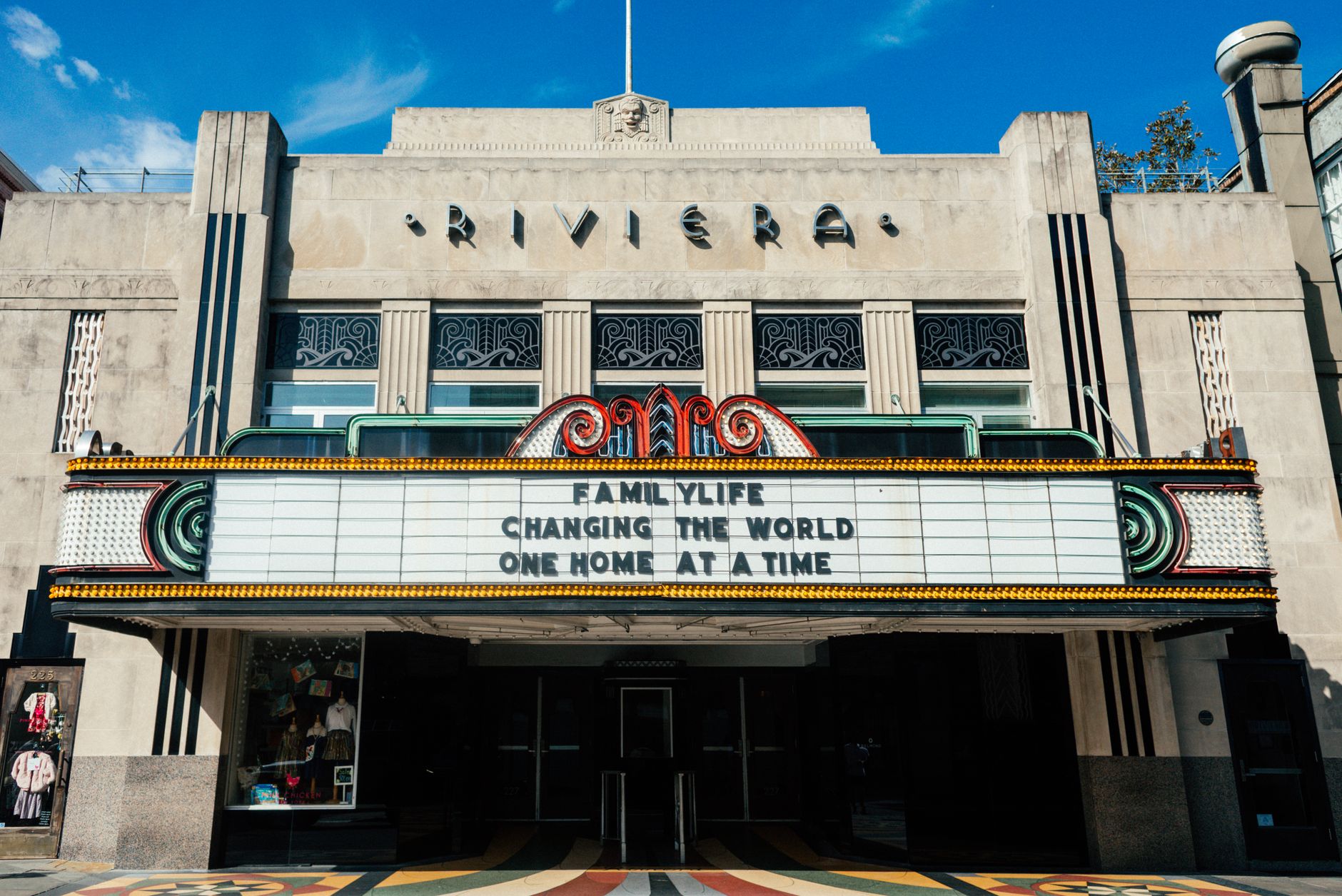
The picture house renaissance nobody quite expected
Cast your mind back to 2020 and 2021. Every cinema in the country was dark. The received wisdom was that streaming had already won, and that the pandemic had simply delivered the final blow. The multiplexes had the capital to weather the storm; the small independents, surely, did not. And yet here we are. The Independent Cinema Office, the UK’s leading development agency for independent film exhibition, currently supports over 600 cinemas across the country. That number has not shrunk. In many regions it has grown.
What drove the resilience? A few things, I think. First, audiences genuinely missed the communal experience of watching a film with strangers in a darkened room. Streaming at home is convenient, but it lacks ceremony. Second, independents pivoted fast during the closures. Many launched online screening events, membership schemes, and fundraising campaigns that bound their communities to them tightly. When the doors reopened, those communities showed up. Third, and this is the part I find most heartening, a generation of younger film lovers discovered that the local picture house was nothing like the soulless multiplex they had assumed it to be.
What actually makes an independent cinema different
The honest answer is: almost everything. Walk into the Hyde Park Picture House in Leeds, the Dukes in Lancaster, the Exeter Phoenix, or the Lexi in Kensal Rise and you immediately feel the difference. The programming is curated by people who love film, not by an algorithm optimising for franchise sequels. You might find a restored 1940s noir on the same week as a new Iranian drama, a Bollywood classic, and a Q&A with a debut British director. The bar often serves local ale. The seats, in many of the older venues, are the kind of worn velvet that feels like sitting inside film history itself.
Ticket prices are frequently lower than the big chains, too. A standard adult ticket at a major multiplex in London regularly costs £17 or more. Many independents sit comfortably below £12, with concessions that are actually generous. Some run weekly community screenings at reduced rates specifically for people on low incomes. That kind of thinking is embedded in the culture of these places in a way that a national chain simply cannot replicate.
How to find independent cinemas uk near me
The Independent Cinema Office website is the single best starting point. Their cinema finder tool lets you search by postcode and returns a map of member venues near you, complete with programming information. It is free to use, takes about thirty seconds, and I’d wager most people reading this will be surprised by what is within a reasonable drive. The ICO also publishes a monthly newsletter with highlights from across the network, which is worth subscribing to if you want to catch special events and one-off screenings.
Beyond the ICO, a few other resources are worth bookmarking. Filmhouse in Edinburgh runs a comprehensive events calendar. HOME in Manchester programmes across film, theatre, and visual art under one roof. The BFI’s own website lists affiliated venues and special BFI seasons touring the country at any given time. And if you live somewhere more rural, do not assume there is nothing nearby. Village hall cinema clubs and touring screening organisations like Kinokulture operate across areas that have no permanent venue at all, often showing films in pubs, community centres, and even barns.
One practical tip: most independents run membership schemes that pay for themselves within two or three visits. The Picturehouse chain (which, confusingly, sits somewhere between indie and mainstream) and genuinely independent venues alike offer annual memberships typically between £40 and £80 that include free or heavily discounted tickets, advance booking, and sometimes a free drink. If you go more than once a month, the maths are straightforward.
Why the experience genuinely beats the multiplex
I want to be fair here. Multiplexes have their place. A Marvel film with thundering sound design and a screen the size of a tennis court has its pleasures. But for the majority of films, and for the overall experience of going to the cinema, independents win on almost every count.
The staff, for a start. At an independent you are usually served by someone who has actually watched the films showing that week and will tell you which one they preferred. The projection is often better maintained because the projectionist cares. The pre-film content is shorter; I’ve timed it at my local and the adverts and trailers run for around eight minutes before the film begins. Compare that to twenty-five minutes at the large chains.
There is also something to be said for the buildings themselves. Many of Britain’s independent cinemas occupy genuinely extraordinary spaces. The Electric in Birmingham, which opened in 1909, is the oldest working cinema in the country. The Barn Cinema at Dartington in Devon screens films inside a medieval great hall. These are not just places to watch a film; they are places that feel worth going to in themselves. Much like falling back in love with the public library, rediscovering your local independent cinema is a reminder that some of Britain’s best cultural institutions have been hiding in plain sight all along.
Supporting your local picture house
Going is the most important thing. An empty seat in an independent cinema is a problem in a way that it simply is not for a multiplex with fifty screens. Turning up, buying a ticket, spending a little at the bar, that is the whole business model. Some venues also rely on volunteers for ushering, projection, and running events, and if you have a few spare hours a month it is one of the more enjoyable ways to give time to your community. The same impulse that draws people to volunteering in the UK more broadly translates beautifully to the cinema world.
Gift memberships make genuinely thoughtful presents, too. I bought one for my parents last Christmas and they have now been to their local Merlin Cinema in Frome four times in six months, which is four more times than they went to a cinema in the previous three years combined. Word of mouth remains the most powerful marketing tool any independent has. Tell people. Bring someone who has never been. The look on a person’s face when they realise what they have been missing is one of the small reliable pleasures of life.
Britain has always had a complicated relationship with its cultural heritage, sometimes overly nostalgic, sometimes too quick to demolish and rebuild. The independent cinema sits in the best of that tradition: rooted in history but genuinely alive, adapting without losing what makes it irreplaceable. If you have not visited yours recently, this week seems like a good time to start. Much like taking your first steps into the hills, the hardest part is simply deciding to go.
Frequently Asked Questions
How do I find independent cinemas near me in the UK?
The Independent Cinema Office website has a free cinema finder tool where you can search by postcode to see member venues near you. The BFI also lists affiliated independent cinemas on its website, including venues showing touring seasons.
Are independent cinemas cheaper than multiplexes?
Generally yes. Many UK independent cinemas charge between £8 and £12 for a standard adult ticket, compared to £15 to £20 at major chains in larger cities. Annual membership schemes at independents often reduce the per-visit cost even further.
What is the Independent Cinema Office and how does it help?
The Independent Cinema Office is the UK’s leading development and support agency for independent film exhibition, working with over 600 venues. It provides training, programming advice, a cinema finder, and a newsletter highlighting special screenings across the network.
Do independent cinemas show new releases or only older films?
Most independents show a mixture of new releases, arthouse films, foreign language titles, and classic retrospectives. Many receive new releases on the same day as the major chains, though their programme tends to be more varied and curated than a multiplex schedule.
Are there independent cinemas in rural areas of the UK?
Yes, though in areas without a permanent venue, travelling cinema organisations and village hall cinema clubs often fill the gap. Groups like Kinokulture bring screenings to community spaces across rural Britain, and the ICO can help you find what is available in your area.
Leave a Reply