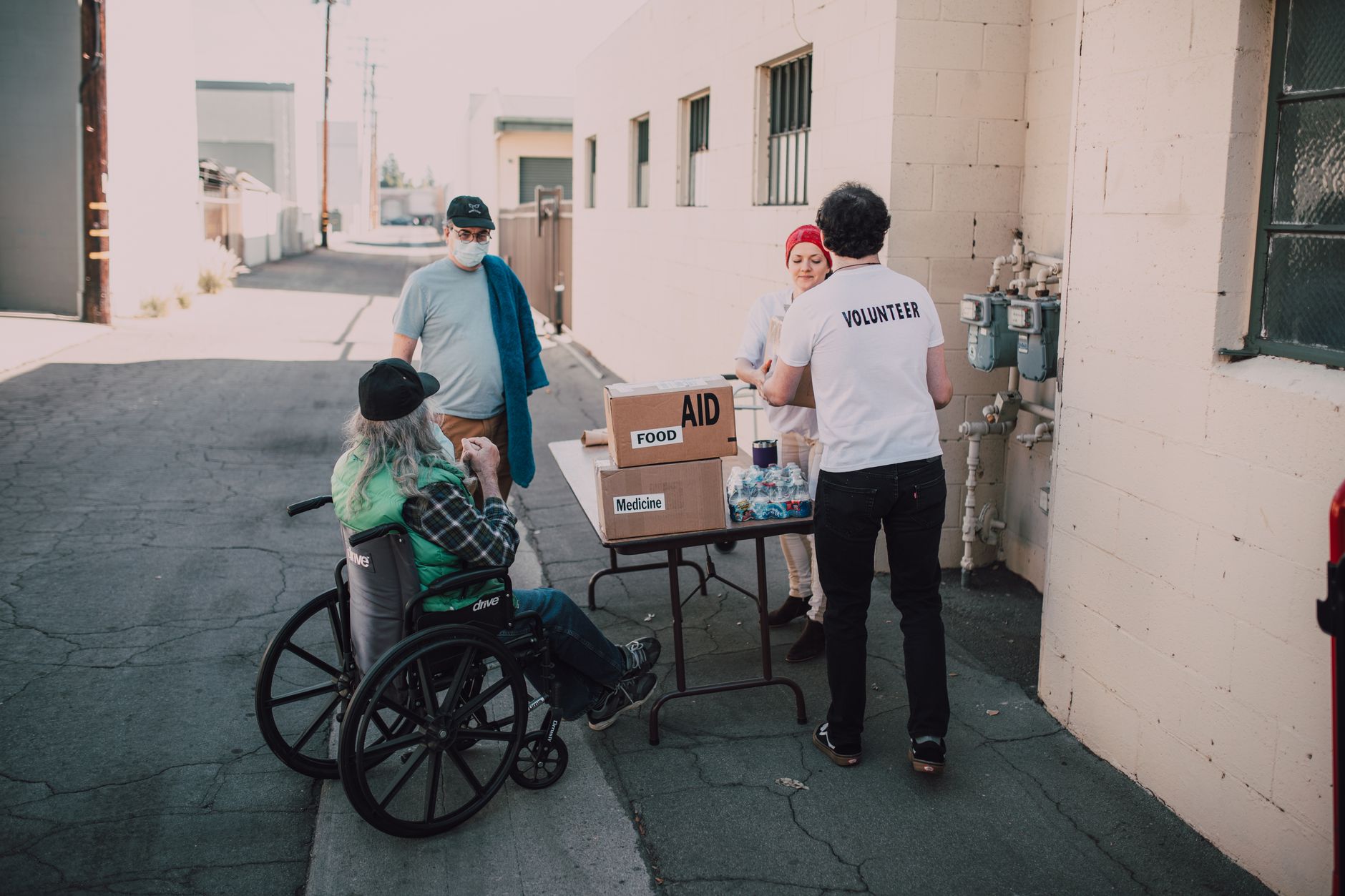
There’s something quietly wonderful about the fact that, according to the NCVO’s UK Civil Society Almanac, around 16 million people in England alone volunteer formally each year. That’s a staggering amount of goodwill. And yet, for those who haven’t done it before, volunteering in the UK can feel oddly difficult to break into. Where do you even look? What if you’re not retired? What if you only have three hours a fortnight? What if you’re worried you don’t have the right skills?
I’ve heard every one of those concerns from friends who wanted to give something back but didn’t quite know how to get started. The good news is that the landscape has changed enormously in the past few years, and there genuinely is something for everyone. You just need to know where to look.
Why now is a brilliant time to get involved
Volunteering numbers took a real knock during the pandemic. Organisations lost regular helpers overnight, and many first-timers who’d been meaning to sign up simply never got round to it. Since 2023, though, numbers have been recovering steadily, and the infrastructure around volunteering has improved enormously. Platforms like Do-it and the NCVO’s own resources have made it far simpler to search by postcode, availability, and interest. You can sit on your sofa on a Tuesday evening and have a shortlist of local roles by Wednesday morning.
There’s also been a noticeable cultural shift. Organisations are actively designing roles around people’s real lives rather than expecting volunteers to fit an old-fashioned nine-to-five mould. Weekend roles, remote roles, project-based roles that last six weeks rather than six years. The flexibility is genuinely there now.
Finding a role that actually suits you
The single biggest mistake first-timers make is saying yes to whatever comes up first and then burning out or dropping out because it wasn’t the right fit. Before you search for anything, spend five minutes thinking honestly about three things: what you’re good at, how much time you can reliably give, and what kind of environment makes you feel useful.
If you’re handy with a spreadsheet, a local charity’s treasurer role or admin support is genuinely valuable. If you’re a good listener, organisations like Samaritans, Age UK, and the Citizens Advice Bureau are always in need. If you’d rather be outdoors doing something physical, conservation groups, community gardens, and canal restoration projects are crying out for volunteers. I’d argue that knowing what drains you is just as important as knowing what energises you. A role in a busy, noisy environment isn’t going to be a good fit for everyone, and that’s fine.
On the time question: be honest. If you can only commit to one Sunday morning a month, say so upfront. Charities would far rather have someone reliable once a month than someone enthusiastic who quietly disappears after three weeks. The best organisations will tell you plainly what the minimum commitment looks like.

Where to search for volunteering opportunities near you
The quickest starting point is do-it.org, which holds thousands of listings across the UK and lets you filter by distance, time commitment, and cause. Type in your postcode and you’ll get results within minutes. For a broader picture of the voluntary sector and resources for new volunteers, the NCVO website is thorough and genuinely readable.
Your local council often maintains its own volunteering directory, and most towns and cities have a Volunteer Centre that can match you directly with local groups. These centres are particularly good if you want a conversation with a real person rather than scrolling through listings online. In many cases, they’ll do the matching for you once they know your situation.
It’s also worth thinking about organisations you already have a connection with. Did your child attend a local youth theatre? Does a food bank operate near your workplace? Did a hospice support someone in your family? Starting somewhere personal often makes the commitment feel more meaningful from day one.
What to expect from the sign-up process
Some roles will have you started within a week. Others, particularly those involving work with children, vulnerable adults, or sensitive information, will require a DBS (Disclosure and Barring Service) check, which the organisation will usually arrange and fund on your behalf. Don’t be put off by this. It’s straightforward, and the organisation should guide you through it.
Most reputable charities will offer some form of induction, even if it’s just a short briefing. You should also be given a named contact, a basic description of what’s expected, and a clear sense of what happens if something isn’t working. If any of those things are missing, it’s worth asking. A well-run volunteer programme will have them ready without you needing to chase.
The British tradition of community spirit that drives everything from allotment societies to neighbourhood growing projects is the same spirit that keeps voluntary organisations ticking. Walking into that environment for the first time, you’ll find people who are pleased to see you. Most long-term volunteers will tell you the induction nerves dissolved within the first hour.
Keeping it sustainable over time
Volunteering in the UK should feel good, not guilt-ridden. If a role stops working for you, whether the timing shifts, your circumstances change, or you simply want to try something different, it’s completely acceptable to have that conversation with your coordinator. Good organisations understand that life moves. Stepping back gracefully is far better than gradually going absent.
Many people find that volunteering opens unexpected doors: new skills, new friends, new perspectives on their own community. I’ve spoken to people who started helping at a local food bank and ended up running logistics for the whole site within a year, not because anyone pushed them, but because they found they loved it. That kind of quiet personal growth is one of volunteering’s least-advertised gifts.
For those thinking about the digital side of community engagement, resources like Banner Ads can be useful when charities and community groups want to raise awareness of their volunteer drives online, a practical consideration for anyone involved in running a local organisation.
If you’re the sort of person who also enjoys spending time in your community beyond formal volunteering, you might find that places like British board game cafés or local social enterprises are already part of the same network of people who care about where they live. That overlap is no coincidence. Community tends to attract community.
Starting is genuinely the hardest part. Once you’ve made that first enquiry, the momentum tends to take care of itself. So go on. Your local community is very likely looking forward to meeting you.
Frequently Asked Questions
How do I find volunteering opportunities near me in the UK?
The easiest place to start is do-it.org, where you can search by postcode, cause, and availability. Your local council or Volunteer Centre is also a great option if you’d prefer a conversation with someone who can match you directly to a suitable role.
Do I need any qualifications or experience to volunteer in the UK?
For the vast majority of roles, no qualifications are needed. Organisations are looking for reliability, enthusiasm, and a willingness to learn. Some specialist roles, such as legal advice or medical support, may require relevant experience, but these are clearly flagged in listings.
How many hours a week do I need to commit to volunteering?
This varies hugely by role. Many organisations now offer flexible commitments, including as little as a few hours a month or short-term project-based arrangements. Be upfront about what you can realistically manage and a good organisation will work around it.
Will I need a DBS check to volunteer?
Only for roles involving children, vulnerable adults, or certain sensitive environments. If a DBS check is required, the organisation will typically arrange and pay for it on your behalf. It usually takes a few weeks to process and is entirely standard.