There is a line of hawthorn and blackthorn running along the edge of a lane near my parents’ house in Shropshire that I’d guess is older than the parish church. Gnarled, thick at the base, tangled with dog rose and bramble, it has been there so long it’s almost geological. Most people drive past it at 40 miles per hour without a second glance. I’ve spent entire evenings just standing beside it, listening. If you’ve never tried british hedgerow wildlife spotting properly, slowly, quietly, at dusk, you’re missing one of the best free experiences this country offers.
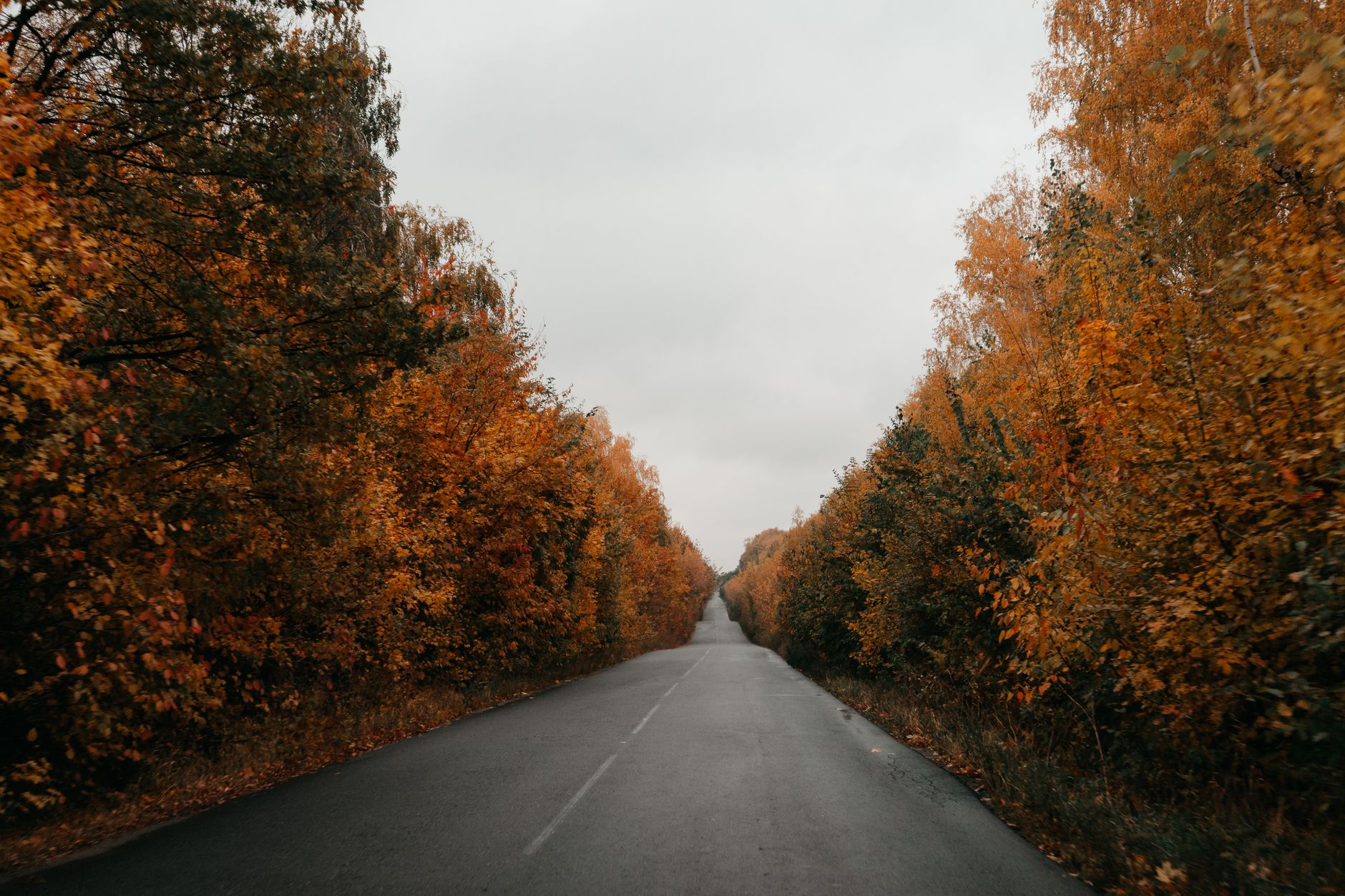
Why hedgerows matter more than most people realise
Britain has roughly 500,000 kilometres of hedgerow, according to the Department for Environment, Food and Rural Affairs. That’s an extraordinary network of habitat, acting as corridors for wildlife to move between woodlands, fields, and waterways. A single ancient hedgerow can contain over 600 species of insects. The older the hedge, the richer it tends to be, there’s a rough rule of thumb (though ecologists debate the details) that you can estimate a hedge’s age in centuries by counting the number of woody species in a 30-metre stretch.
These are not decorative features. They’re living infrastructure. And the good news is that you don’t need to travel anywhere special to find them. A country lane on the edge of almost any British village will do the job. Pull on some walking boots, head out around sunset, and take your time.
What you’re likely to find: the plants
Before you look for animals, learn to read the hedge itself. Hawthorn is the workhorse, those tight white blossom clusters in May are called “may blossom” for a reason, and by October the branches are heavy with deep red haws that fieldfares and redwings strip bare. Blackthorn gives you sloe berries in autumn, bitter enough to make your face do something involuntary, but perfect steeped in gin come December.
Crab apple is the one I always stop at. It’s smaller and scruffier than an orchard apple, and the fruit is tart and hard, but it has a quiet, patient beauty in late summer when the tiny fruits first blush. Elder is another constant companion: creamy flat-topped flowers in June for cordial, dark purple berries in late August for syrup. Knowing these plants turns a walk into a kind of reading exercise. Each one tells you something about the soil, the season, and who else is likely to be around.
What to listen and look for: the animals
Dormice are the jewel of the hedgerow and the one most people never see. They’re nocturnal, and they spend a large part of the year hibernating. But in a dense, well-established hedge with plenty of hazel, you’re in their territory. The People’s Trust for Endangered Species does a national dormouse monitoring programme, and the survey data shows their populations have declined by roughly 70% since the 1990s. Spotting one, curled in its neat little nest, feels genuinely rare.
More reliably, you’ll encounter yellowhammers perched on the top wire of any fence running alongside the hedge, or hear their slightly maddening song (a bit like “a little bit of bread and no che-e-ese”) from somewhere deep in the tangle. Wrens dart in and out at the base with an energy that seems disproportionate to their size. Whitethroats arrive in May and chuck themselves about in scratchy, tuneless song from the highest stems. By late summer, listen for the churring of grasshopper warblers in thicker hedgerows near damp ground.
Hedgehogs still use hedgerows as movement corridors, though I’d argue a hedgehog sighting deserves its own celebration these days given how hard-pressed the species is. Bats, pipistrelles mostly, will start hunting along the hedge line at dusk, weaving between the branches with that slightly jerky, purposeful flight. I tend to bring a bat detector on late summer evenings; it turns what would otherwise be a silent, invisible spectacle into something you can actually experience.
How to walk a hedgerow properly
The main thing is to slow down. Most people walk at a pace that frightens everything within 20 metres. Aim for what I’d call a shuffling amble, move a few steps, stop, stand still for a minute, look carefully before moving again. Your eyes need time to adjust and your brain needs time to separate signal from noise. Dusk is ideal because the light is low and many animals are starting to move, but also because the lane is quieter and the birds are doing their final rounds before roosting.
Take a small notebook. Not a phone, a notebook. Jotting down what you see and hear forces you to look more carefully and builds a record of the season that’s genuinely satisfying to revisit. I’ve got notebooks going back years, and flicking through them now is like reading a diary of the countryside.
British hedgerow wildlife spotting is, in the best sense, humble. You’re not going on safari. You’re not ticking off a list of rarities. You’re standing on a lane that has been there for centuries, watching the ordinary machinery of the natural world do its thing. That ordinariness is the point.
Making it part of a wider habit
If evenings beside the hedge appeal to you, they pair naturally with other slow, grounded British habits. The allotment community has seen a real resurgence in recent years, if you’re curious about that, I wrote about why the British allotment is having its finest hour and much of what draws people to growing their own overlaps with what draws people to the hedgerow: patience, seasonal rhythm, and the satisfaction of paying close attention. Similarly, the quiet sociability of community engagement generally is something I find myself drawn to more and more, there’s a piece here on how to start volunteering in the UK that’s worth a read if you want to turn that instinct into something with a bit more structure.
The hedgerow doesn’t ask anything of you, which is part of why I love it. You just have to show up, be quiet, and look. Britain has spent centuries building these living walls along every lane and field boundary, and they’ve been quietly sheltering an astonishing amount of life the whole time. Go and see for yourself.
Frequently Asked Questions
What is the best time of year for british hedgerow wildlife spotting?
Late spring through early autumn gives you the greatest variety, May and June for nesting birds and hawthorn blossom, July and August for bats and insects, September and October for berries and migrant thrushes. Winter hedgerows can also be rewarding for fieldfare and redwing sightings, especially in hedges heavy with haws and sloes.
What wildlife can you find in an ancient British hedgerow?
Ancient hedgerows can support hundreds of species including dormice, hedgehogs, yellowhammers, wrens, whitethroats, pipistrelle bats, and a vast range of invertebrates. The plant mix typically includes hawthorn, blackthorn, elder, dog rose, crab apple, and hazel, all of which provide food and shelter for different species at different points in the year.
How do I tell if a hedgerow is ancient?
A rough guide used by ecologists is to count the number of different woody shrub or tree species in a 30-metre stretch, each species is said to represent roughly a century of age. A hedge with five or six species (hawthorn, blackthorn, hazel, elder, field maple, dog rose) could therefore be 500 or more years old, though this method is a starting point rather than a precise science.