

There is a particular British habit of walking into a GP surgery, sitting down, and then promptly forgetting half of what you came to say. You end up muttering something vague, nodding along, and leaving with a prescription you are not quite sure about. I have done it myself. Most of us have. Knowing how to get the most out of a GP appointment UK is one of those quietly useful life skills nobody really teaches you, and yet it makes an enormous difference to how well the NHS can actually help you.
Surgeries across Britain are under real pressure. According to NHS data cited by the BMA, GPs in England are now handling well over a million appointments every single working day. Your doctor genuinely wants to help you, but they have perhaps ten minutes to do it. A little preparation on your end is not about making their life easier at the expense of yours. It is about making sure those ten minutes actually work for you.
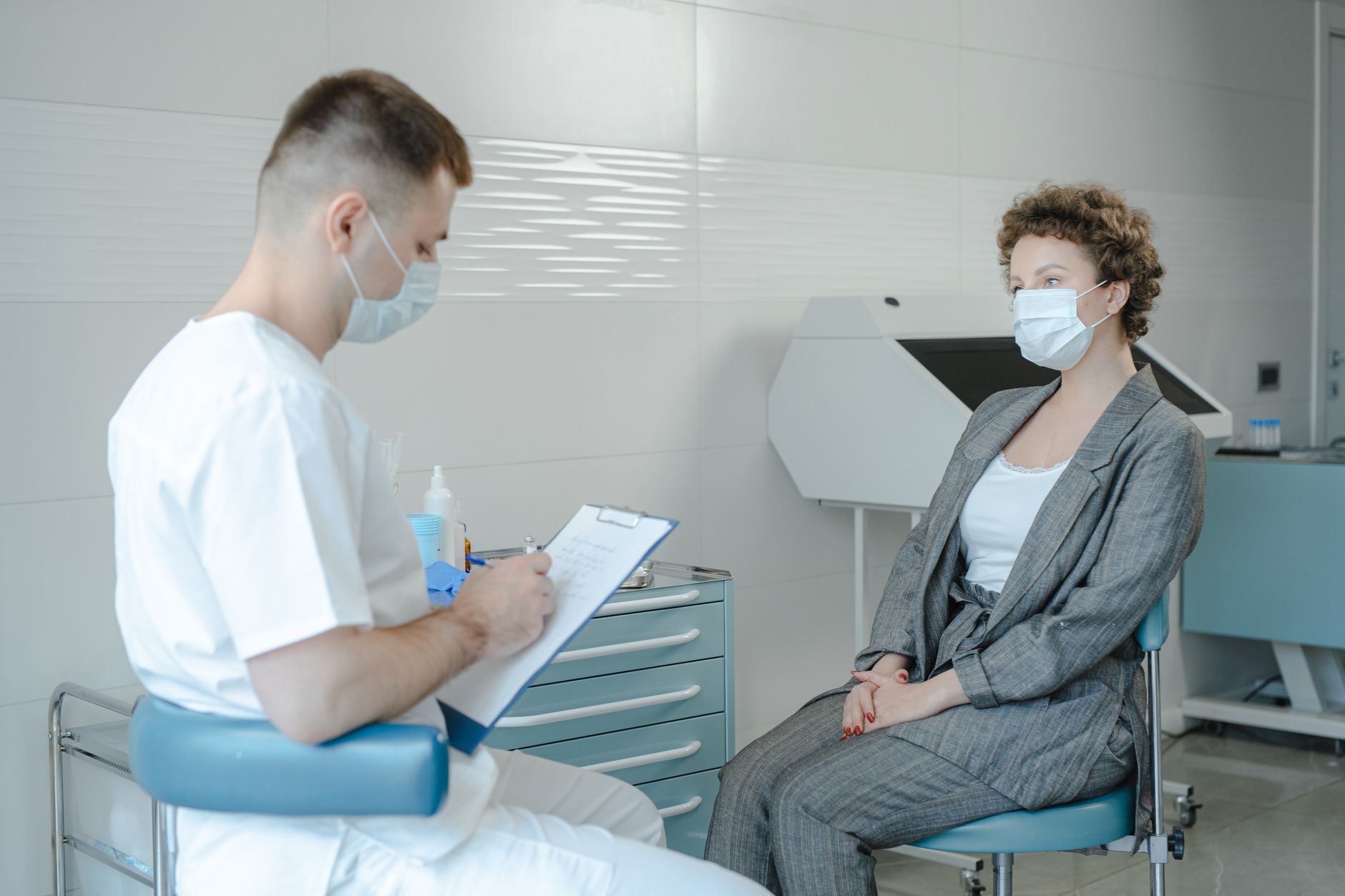
Before you even book: decide what you actually need
Not everything requires a face-to-face appointment, and understanding the options saves everyone time, including you. The NHS App lets you request repeat prescriptions, view your medical records, and message your surgery directly in many areas. If you have not set it up yet, it takes about five minutes and requires your NHS login. Once you are in, it is genuinely useful in ways most people never bother to explore. I have written previously about how to use your GP surgery beyond just booking appointments, and the digital tools alone are worth getting familiar with before you need them in a hurry.
For straightforward queries, NHS 111 online at 111.nhs.uk will triage your symptoms and often tell you whether you need a GP at all, or whether a pharmacist, an urgent treatment centre, or simply some rest is the right call. Pharmacists in particular are criminally underused. They can advise on a wide range of conditions without any appointment necessary, and most high street chemists are very happy to talk things through with you.
How to prepare so your appointment actually goes somewhere
Write things down. Genuinely. Jot a brief list the night before: your main concern, how long it has been happening, whether anything makes it better or worse, and any other symptoms you have noticed alongside it. If you are on any medicines, supplements, or have relevant family history, note those too. A single side of paper is enough. You do not need to arrive with a dossier, just something concrete to refer back to if you lose your thread.
Think about what you actually want from the appointment. Do you want a diagnosis? A referral? Reassurance? A prescription? Knowing this helps you say so clearly, and it helps your GP give you something useful rather than something general. Starting with your most important concern rather than building up to it slowly is worth practising. You have limited time and the GP needs to know what matters most to you from the first minute.
Advocating for yourself without feeling like a burden
This is where a lot of people, particularly women and older patients, struggle most. There is a very British tendency to apologise for taking up space in a consulting room. You are not a burden. You are using a service you contribute to, and your GP signed up to help you think through your health. If you do not understand something, ask them to explain it differently. If you are not sure about a treatment, say so. A good GP will welcome the question.
If something does not feel right, or you feel your concern has not been fully addressed, you are entirely entitled to ask for a follow-up appointment, request a second opinion, or ask for a referral. These are not dramatic escalations. They are normal parts of NHS patient care. The NHS Constitution, which you can read on gov.uk, sets out your rights clearly, including the right to be involved in decisions about your care and the right to a second opinion where clinically appropriate.
If English is not your first language, or you have a hearing impairment, you can ask your surgery to arrange an interpreter or other support. This is not an imposition; it is something GP surgeries are expected to facilitate.
Making the most out of a GP appointment when you have more than one concern
The “oh, and one more thing” moment at the end of an appointment is one of the most common frustrations for both patients and GPs. If you have two or three things on your mind, say so at the very start: “I have a couple of things I’d like to discuss if possible.” The GP can then help you prioritise within the time available, or arrange a separate appointment for a second issue. This works far better than trying to squeeze everything into the last thirty seconds.
For managing long-term conditions like diabetes, asthma, or hypertension, many surgeries now have dedicated review appointments with a practice nurse. These are often longer and specifically structured to go through your condition in detail. If you have a long-term diagnosis and have not had a review recently, it is worth asking your surgery whether one is due.
After the appointment: follow through and check in
Do not let the appointment disappear into the ether. If you were given advice about lifestyle changes, a referral, or a prescription, make a note of what you are expecting to happen next and when. If a referral was promised, check via the NHS App or by calling the surgery if you have not heard anything within a few weeks. Waiting lists exist and things can fall through administrative gaps.
If you were given a prescription you have questions about, your pharmacist is an excellent first call. They can explain dosages, side effects, and interactions in plain terms, often more thoroughly than a ten-minute appointment allows.
Knowing how to get the most out of a GP appointment UK is partly practical and partly a mindset shift. The NHS works best as a partnership between you and the people caring for you, and that means showing up with some preparation and the quiet confidence to speak clearly about what you need. You are not a nuisance for being unwell or confused. You are exactly the person the system is built for.
If you are building healthier habits more broadly, it is worth looking at how other areas of life connect to your wellbeing. joining a running club and cycling to work are two things that turn up again and again in conversations about mental and physical health in Britain, and they cost very little to start. Small consistent steps, whether that is lacing up a pair of trainers or writing a list the night before your GP visit, tend to be the ones that actually stick.
Frequently Asked Questions
How long is a typical GP appointment in the UK?
Standard GP appointments in England are usually ten minutes long, though some surgeries offer longer slots for complex or long-term condition reviews. If you know you have several concerns, tell the receptionist when booking so they can allocate the right amount of time.
Can I see my GP's notes or medical records?
Yes. Under current NHS policy, patients in England can access their GP health records through the NHS App, including consultation notes, test results, and prescribed medications. You may need to request access through your surgery if it is not already enabled on your account.
What should I do if I feel my GP has not taken my concern seriously?
You can request a follow-up appointment to discuss the issue further, or ask for a second opinion from another GP within the practice or a different surgery. The NHS Constitution gives patients the right to be involved in decisions about their care, and your surgery’s patient advocate or NHS England can help if you feel your concerns are consistently dismissed.
Is it better to see a GP in person or use an online consultation?
It depends on the nature of your concern. Routine queries, prescription requests, and follow-ups are often well-suited to online consultations or the NHS App messaging service. Anything involving physical examination, a new or worsening symptom, or significant concern about your health is generally better handled face to face.
Leave a Reply