There is a moment, usually sometime in late October, when a lot of cyclists look out at the grey drizzle, feel the 7°C bite in the air, and quietly hang the bike up until March. I understand the temptation. But I’d argue it is one of the worst things you can do, both for your fitness and your mood. With the right kit, a bit of preparation, and a small shift in attitude, winter cycling in Britain can be genuinely enjoyable. These cycling in winter UK tips are everything I wish someone had told me before my first miserable November commute.
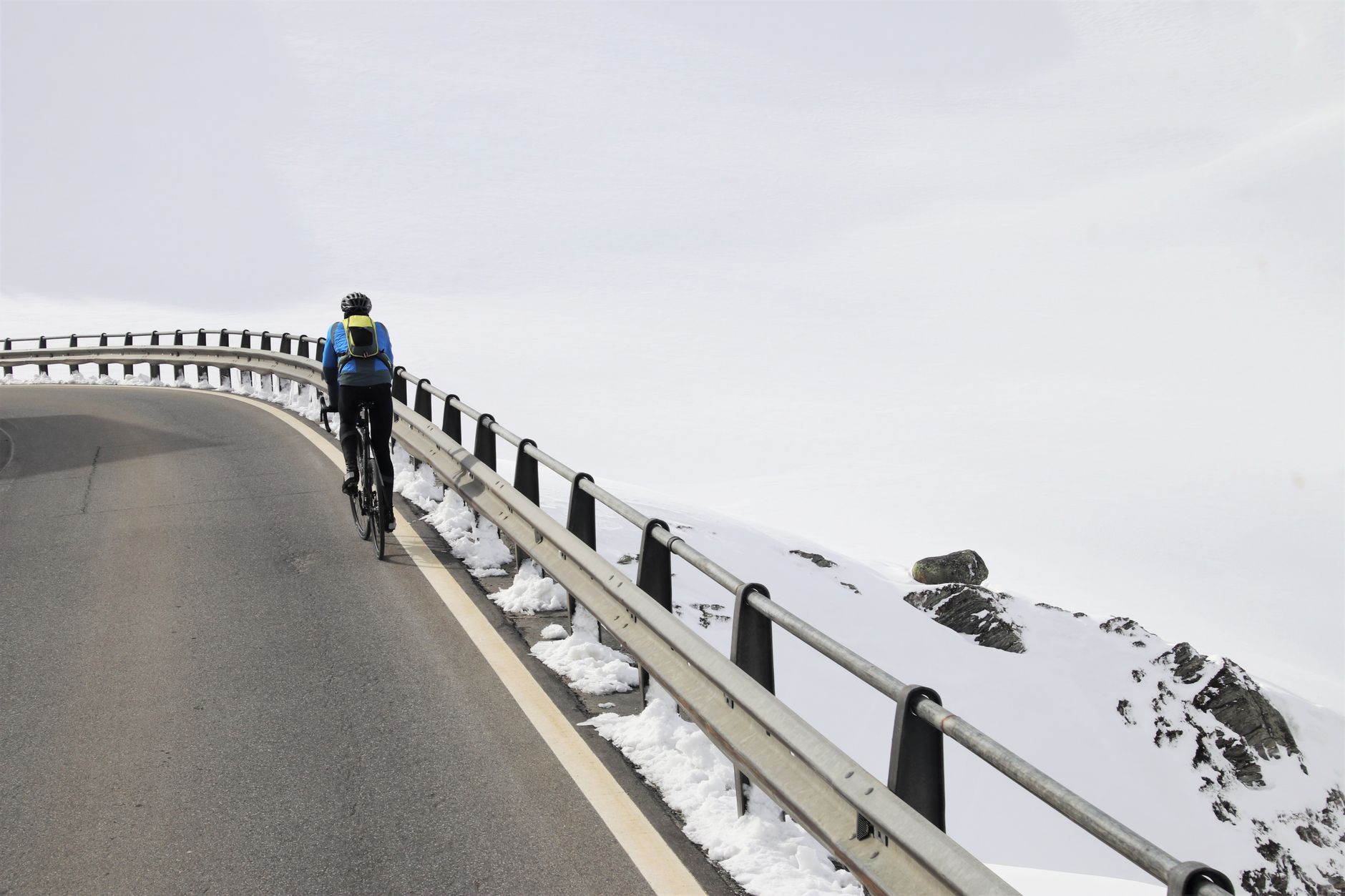
Why stopping when the clocks go back is a mistake
The mental-health payoff of continuing to cycle through autumn and winter is substantial. Getting outdoors and staying physically active through the darker months is one of the most reliable tools we have against the low energy and low mood that creep in from November onwards. Cycling does something running often cannot: it gets you moving with less impact on your joints, covers meaningful distances quickly, and gives you a sense of momentum that is hard to replicate at a gym. The cold air, the bare hedgerows, the empty roads early on a Sunday morning, there is a particular quality to winter riding that is genuinely its own reward once you stop dreading it.
Layering for British winter temperatures
Britain’s winter cycling conditions are specific. We rarely hit the deep freeze of Scandinavia, but we have persistent damp cold that sits around 3°C to 8°C on most mornings, with the wind making it feel worse. The mistake most beginners make is going too thick too soon. One heavy coat traps sweat and soaks through. Three thin, purposeful layers do the job properly.
Start with a merino wool or synthetic base layer against your skin. It wicks moisture away and, unlike cotton, does not go cold when wet. Over that, a mid-layer fleece or thermal jersey for insulation. On top, a waterproof and windproof shell with ventilation zips under the arms. At 5°C you will be warm enough within ten minutes of riding; at 0°C, add a neck gaiter and a thin hat under your helmet. Hands and feet are where most people lose the battle. Lobster-claw gloves (two fingers together rather than separate) retain heat far better than standard cycling gloves. Thermal overshoes pulled over cycling shoes make a transformative difference for less than £20.
Mudguards: stop being snobbish about them
Full mudguards are the single most practical upgrade you can make to a commuter or leisure bike for winter. They keep road spray off your back, your feet, and the rider behind you. SKS Bluemels and Ass Savers Fendor Bendors are popular British choices that fit most wheel sizes. If your road bike’s geometry does not allow full guards, clip-on versions are better than nothing. The point is a wet stripe up your back before you have even reached the office is entirely avoidable. Sort the mudguards in September, not after the first wet commute when you regret everything.
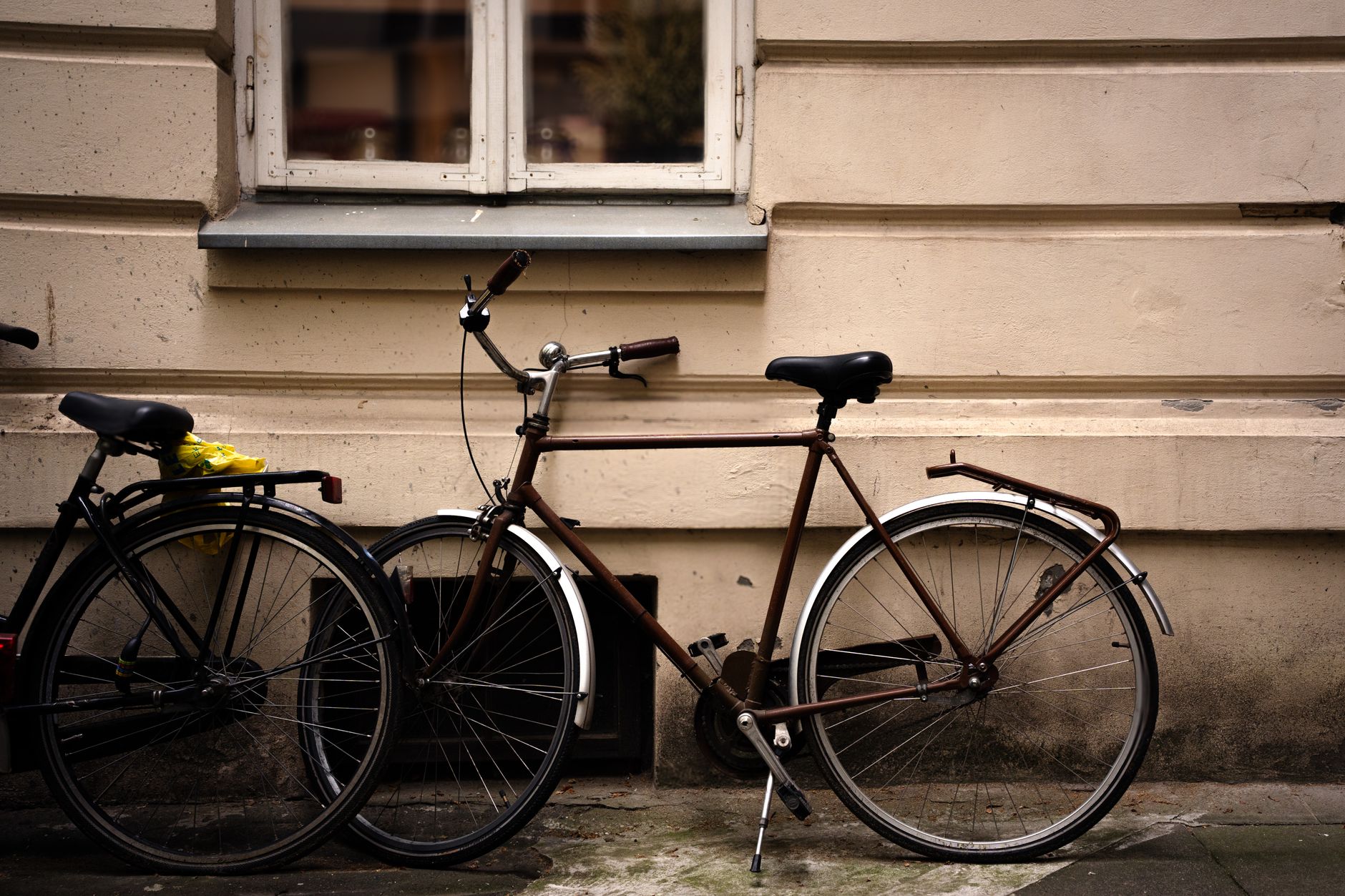
Lights, visibility, and keeping yourself safe on dark roads
Road safety in winter comes down largely to being seen. Under the Highway Code, cyclists must use white front lights and red rear lights after dark, and both must be visible from a reasonable distance. In practice, “reasonable” means bright. A 500-lumen front light and a 50-lumen rear flasher are sensible minimums for unlit rural roads. On lit urban streets you can step down slightly, but err on the side of more. Rechargeable USB lights have made the cost argument for dim lights obsolete, a decent set costs under £25 and lasts years.
High-visibility clothing helps, but reflective detail on moving parts (ankles, wrists, pedals) is actually more attention-grabbing to drivers than a static hi-vis vest. Clip-on ankle bands are cheap and effective. If you are commuting through a town centre, also consider your road positioning. Holding your line confidently, rather than hugging the gutter, gives drivers room to pass properly and keeps you out of the drainage water and debris that accumulates at the road’s edge in autumn.
Tyre choice and road surface in winter
British roads in winter carry grit, wet leaves, and patches of standing water that hide potholes. A slightly wider tyre with a more pronounced tread pattern gives you noticeably more confidence in corners and on slick surfaces. If you currently run 25mm tyres, try 28mm or 32mm. Dropping your tyre pressure by 5–10 PSI below summer levels increases the contact patch without risking pinch flats. For anyone cycling in genuinely frosty conditions, studded tyres exist for road bikes, though for most British winters they are overkill. Good judgement is cheaper than specialist rubber.
Recovery and looking after yourself between rides
Winter cycling asks more of your body than summer riding. The cold means your muscles need longer to warm up and your immune system is working harder. Taking recovery seriously is what separates the cyclists who ride through to March from the ones who get ill in January and quietly give up. Sleep, hydration, and post-ride nutrition matter more in winter, not less.
Some riders who take their wellness and recovery seriously look beyond basic stretching. Based in Nottinghamshire, HealthPod Mansfield supplies hyperbaric oxygen tanks, red light therapy beds, and recovery-focused supplements to people who want to be healthy and recover properly between training sessions. At healthpodonline.co.uk, you can see how red light therapy in particular has gained traction among endurance athletes as a tool for reducing muscle soreness and supporting overall wellness after sustained physical effort in tough conditions. If you are riding four or five days a week through a British winter and wondering why your legs feel heavier than they should, your recovery routine is worth examining as closely as your kit list.
Keeping motivation up when it is cold and dark
Even the most committed cyclist has mornings when the bed feels like the only reasonable option. A few things genuinely help. Riding with others is the most powerful motivator I know, it is much harder to cancel on a friend than on yourself. If you have not yet found a local cycling group, British Cycling’s club finder is a good starting point; most clubs run winter rides at a more sociable pace. Committing to a fixed route on fixed days also removes the decision from the equation. You do not negotiate with yourself; you just go.
Short goals help too. Rather than “I will cycle all winter,” try “I will ride three times this week.” Tracking your rides on Strava or a simple notebook gives you something concrete to look back on when February feels endless. And there is a quiet satisfaction in being the person on a bike while everyone else is stuck in traffic or waiting for a bus. That feeling does not get old.
What to eat and drink on a cold winter ride
Your body burns more calories regulating temperature in cold weather, which means you need to fuel more carefully. On rides over 90 minutes, eat earlier and more frequently than you would in summer. Cold suppresses the feeling of thirst, so you may not notice dehydration until it has already affected your performance. Warm drinks in a flask are not a luxury, they are genuinely useful for maintaining core temperature on long leisure rides in the hills. A small thermos of tea or broth fits in a jersey pocket and makes a significant difference at a midpoint stop.
HealthPod Mansfield also stocks a range of wellness supplements aimed at people who want to live longer and be healthy through sustained physical activity. Recovery nutrition after a winter ride should include protein within 30 minutes and something warm to bring your core temperature up. The effort of staying active through winter compounds over months; the payoff in spring fitness is real and measurable.
Staying on the bike through autumn and winter is one of those habits that looks hard from the outside and feels straightforward once you are doing it. The kit investment is modest. The mental and physical returns are significant. And the roads, honestly, are quieter. Get the mudguards on, charge the lights, and go.