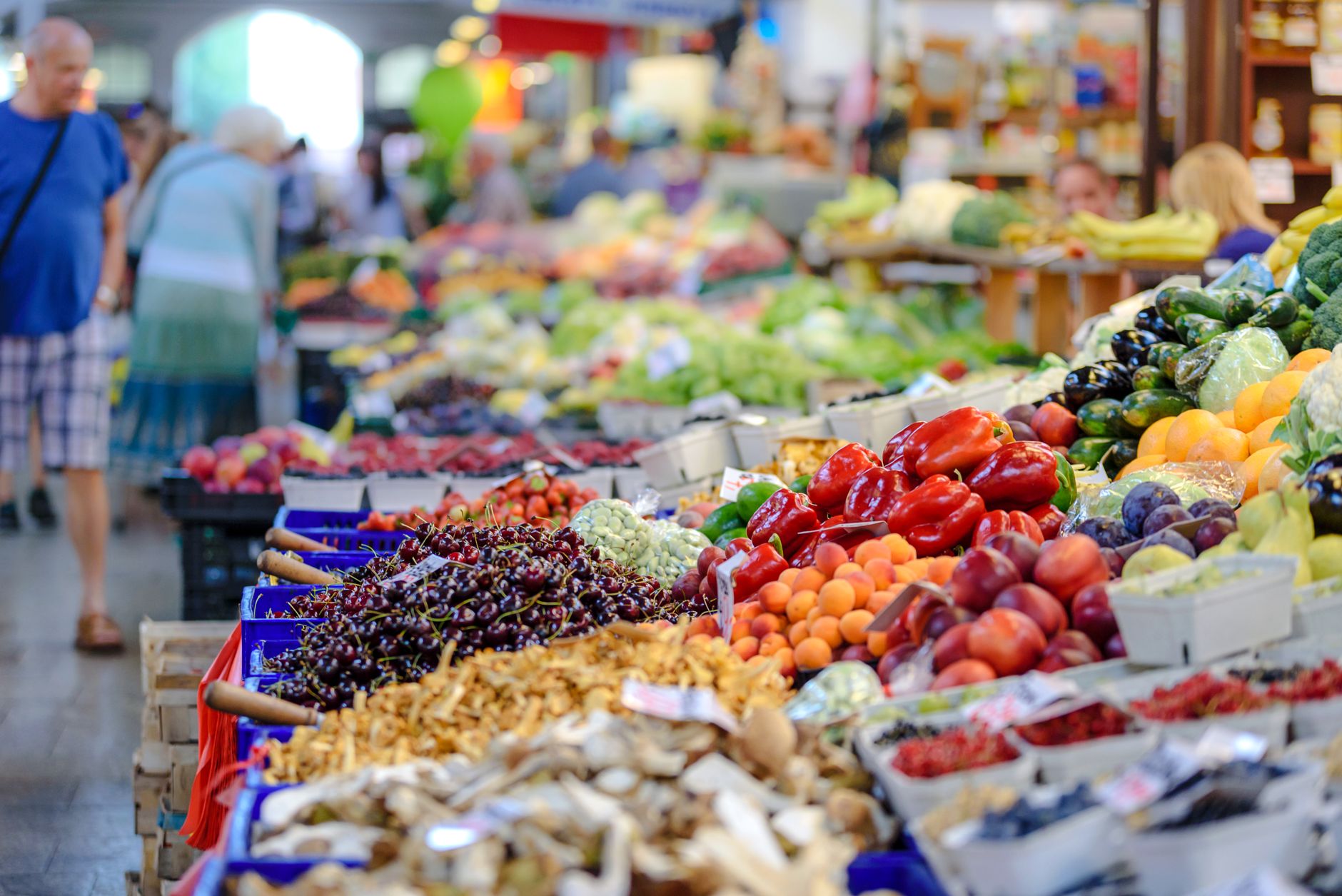
There’s a particular kind of Saturday morning magic that happens at a good British farmers’ market. The smell of warm bread, a cheese stall piled impossibly high, a farm trailer doing roaring trade in muddy root vegetables. I’ve been going to them for years, and I genuinely look forward to it every week. But I’ve also watched plenty of people wander round, pick up a single sourdough loaf at £6, and walk away feeling like they’ve been fleeced. They haven’t got the system down. Once you do, the whole thing shifts from a pleasant treat into one of the most practical and satisfying ways to shop in Britain.
Why a farmers’ market is different from a supermarket trip
The obvious thing people notice is the price of individual items. A bunch of carrots might cost more than the supermarket bag version. A whole free-range chicken will almost certainly cost more than a yellow-sticker bird from a chilled aisle. But that comparison misses the point entirely. What you’re buying is higher welfare, lower food miles, and produce that was actually grown to taste of something. The Soil Association certifies many UK farmers’ markets, and genuinely certified ones require sellers to have grown, raised, or made what they sell themselves. That’s a meaningful guarantee.
The other thing supermarkets don’t offer is the conversation. Ask a stallholder how they’d cook the pork belly and you’ll get a fifteen-minute tutorial. Ask which of the two varieties of squash has better flavour this season and they’ll give you an honest answer, because they grew both. That knowledge is free and genuinely useful. It’s also, I’d argue, part of what makes eating feel like a pleasure again rather than a chore.
Timing your visit for the best value
Arriving early gets you first pick of the good stuff, but arriving in the last thirty minutes before closing often gets you the discounts. Most stallholders who’ve driven forty miles with a van full of perishable veg would rather sell it cheap than bring it home. I’ve picked up half-price kale, end-of-day spinach, and bags of slightly wonky tomatoes for next to nothing by just turning up at quarter past noon when the market closes at half twelve. Know the closing time and plan accordingly.
Midday on the last Sunday of the month is often the quietest at smaller markets, which means stalls with more stock and holders more willing to chat. If you’re after the most popular items, a loaf from a specific bakery or a particular cut from the butcher, come early. If you’re after value, come late.
Which stalls genuinely stretch your budget furthest
Vegetable and fruit stalls are where the farmers’ market beats supermarkets most decisively on value, once you buy in quantity. A bag of mixed brassica leaves, a celeriac, a large butternut squash, a bunch of beetroot, four parsnips: that’s a week of side dishes for two people for under a tenner in most parts of the country. The secret is buying by the bag rather than by the item. Many stalls offer a “box” or “bag for a fiver” deal that doesn’t appear on any sign but exists if you ask.
Egg stalls are brilliant value almost without exception. A dozen free-range eggs from a local farm usually beats supermarket free-range on price and always beats it on taste. Buy two dozen if you’re feeding a family; they keep for a fortnight in a cool larder.
Bread is the one where you need to be a bit careful. A good sourdough from a proper baker is worth what it costs, but only if you actually use it. Buy the smaller loaf if it’s just you, or freeze half the day you buy it. Frozen and toasted, it’s still considerably better than most shop bread.
Meat stalls reward planning. Cheaper cuts at the farmers’ market, braising steak, shin of beef, pork shoulder, lamb neck, are genuinely exceptional quality and require nothing more than time and a low oven. If you’re already the sort of cook who reaches for seasonal, shared-economy thinking about food, this is where it clicks into place. Spending £9 on a piece of pork shoulder that feeds four people twice is not expensive eating; it’s considered eating.
Stretching seasonal British produce across a full week
The real skill, and honestly the most satisfying part of the whole exercise, is getting a week’s worth of meals out of what you bought on Saturday morning. Autumn and winter are the easy seasons for this in Britain: squash, celeriac, parsnip, swede, leeks, cavolo nero, Jerusalem artichokes. These things keep, they intensify with roasting, and they make the best soups you’ll eat all year.
A rough plan that I’ve landed on: roast a large tray of mixed root vegetables on Sunday, use half as a side, blitz the other half with stock on Monday for soup. Use the leeks mid-week in a simple gratin or with eggs. The cavolo nero goes in a pasta on Thursday. The squash, if it hasn’t been used by Friday, becomes a risotto. Nothing goes to waste, nothing feels like a repeat, and the whole week costs less than a couple of supermarket meal deals. For anyone interested in getting more creative with British seasonal eating, the seasonal rhythms of the British landscape are worth paying attention to year-round.
Summer markets bring a different set of opportunities: courgettes, broad beans, new potatoes, tomatoes, strawberries. The temptation is to treat them as a treat. The better approach is to buy generously and cook simply. A glut of tomatoes becomes a sauce that lives in the freezer. A punnet of strawberries eaten over two days beats a supermarket punnet any day of the week.
A few habits that make the whole thing work
Bring a bag. Bring cash, because not every stall takes cards even in 2026, though many do now. Set a rough budget before you go, say £25 to £30, and stick to produce-first, artisan extras second. If there’s money left after the veg and eggs, then the interesting cheese or the pot of local honey is a pleasure rather than a guilt.
Go regularly, not occasionally. Stallholders remember faces. The more often you turn up, the more likely you are to get told about next week’s glut, offered the end-of-day deal without having to ask, or pointed towards something you’d have walked past. A farmers’ market is a community institution in the same way a public library is: it rewards the regular visitor far more than the occasional drop-in.
To find a certified market near you, the FARMA directory lists genuine farm-to-consumer outlets across the UK, and it’s worth a look before you commit to a regular market.
The whole point of these farmers’ market tips for a UK budget isn’t to romanticise food shopping or tell you to spend more. It’s to say that with a bit of planning and the right habits, you can eat better food, support British producers, and spend roughly what you’d spend in a supermarket. That feels like a good deal to me.