Every spring, millions of us open a browser, type in some variation of “cheap weekend flights” and find ourselves forty-eight hours later eating a mediocre croque-monsieur in a city we’ve already visited twice. I’ve done it. You’ve probably done it. And whilst there’s nothing wrong with a continental city break, I’ve come to suspect that we’ve collectively developed a blind spot for something far closer to home: the proper British market town.
Not the tourist honeypots. Not Bath or Stratford-upon-Avon, which are wonderful but hardly undiscovered. I’m talking about the second tier, places like Ludlow in Shropshire, Hexham in Northumberland, Faversham in Kent, Alnwick up on the Northumberland coast, Leominster, Settle, Holt in Norfolk. Towns that have been quietly doing their thing for centuries and would be astonished to learn they’re considered underrated.
What makes a market town different from just… a town
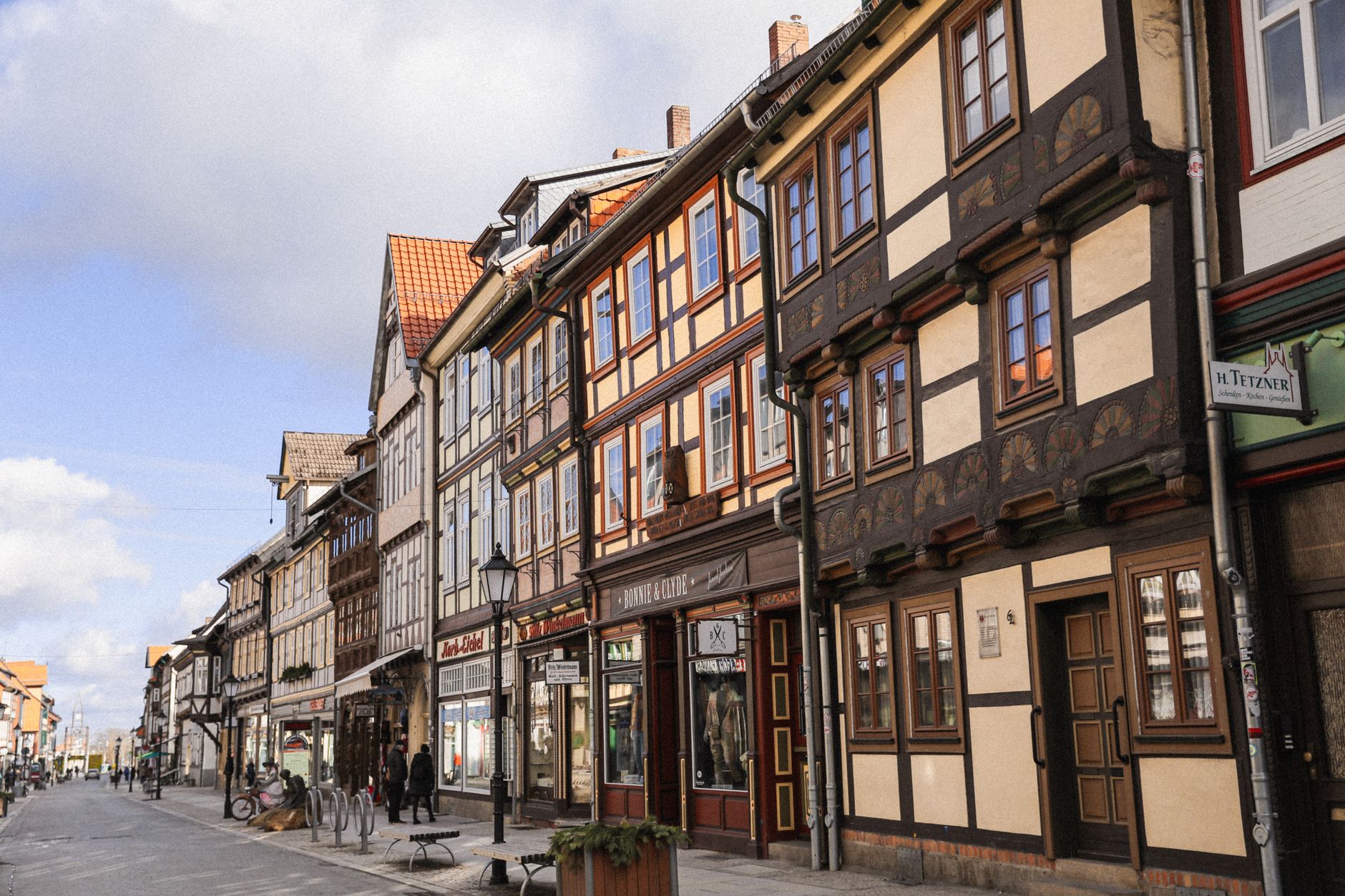
A genuine market town has a charter. Historically, that meant the Crown granted it the right to hold a regular market, which drew trade, craftspeople, inns and civic pride in a way that other settlements didn’t get. Many of those charters date back to the twelfth or thirteenth century. The physical consequence of this history is still visible today: a proper market square, a high street with decent bones, a mix of independent shops that would struggle to survive without a loyal local population, and very often a covered market hall that still functions on Wednesdays and Saturdays.
That combination is precisely what makes a british market town weekend break feel so different from a city break. You’re not working through a checklist of attractions. You’re just… living somewhere, briefly, and finding out what it’s actually like. The butcher who’s been on the same pitch since 1987. The second-hand bookshop that smells exactly as it should. The pub that doesn’t have a cocktail menu but does have a proper handpump and a landlord who knows everyone’s name.
The practical case for going domestic
Let’s be honest about cost for a moment. A weekend flight to a European city, once you’ve added baggage fees, an airport transfer, a couple of nights in a half-decent hotel and three restaurant meals, will set you back somewhere between £400 and £700 per person. A Friday-to-Sunday stay in a market town B&B or small hotel, the kind of place run by an actual family rather than a chain, can come in at well under £200 a head, all in. The VisitBritain organisation has consistently found that domestic short breaks deliver higher reported satisfaction scores than international minibreaks when cost and effort are factored in, which I find entirely believable.
There’s also the matter of the journey. Most British market towns are within two hours of a major city by train. Ludlow from Birmingham New Street: one hour ten. Hexham from Newcastle: forty minutes. Faversham from London St Pancras: under an hour. You step off the train into somewhere that genuinely looks and feels different, without the faff of an airport, without the carbon guilt of a short-haul flight, and without spending Friday evening in a departure lounge.
How to find the right market town for you
This is where people go slightly wrong. They pick a town because it appeared in a magazine supplement, arrive to find it’s heaving with day-trippers, and write the whole category off. The trick is to match the town’s character to what you actually want from the weekend.
If food is your priority, Ludlow has long punched well above its weight, it has more Michelin-recognised restaurants per head than almost anywhere in rural England. If you want proper walking with a town as your base, Settle in the Yorkshire Dales puts you ten minutes from the Ribble Valley and on the Carlisle line for longer days out. If antiques and independent shops are your thing, Holt in Norfolk or Petworth in West Sussex are worth the trip. And if you want the market itself to be the draw, Abergavenny in Wales holds one of the finest food markets in Britain, rivalling anything I’ve been to on the continent.
A few practical steps help. First, check what day the actual market runs, many operate only on one or two days per week, and arriving on a quiet Tuesday when the market square is empty misses the point entirely. Second, look at the accommodation carefully; a well-reviewed small hotel or inn will invariably know the town better than any app, and asking the host for recommendations is worth more than an hour on a review site. Third, if you’re into the kind of seasonal food traditions that British farmers’ markets celebrate, consider timing your visit around a local event. I’d also point you towards our own piece on eating brilliantly at a British farmers’ market without breaking the budget, because many market towns double up as excellent farmers’ market destinations.
The slower pace is the point, not a consolation prize
I think the biggest misunderstanding people bring to a market town break is the expectation of a schedule. City breaks breed a certain anxiety, the feeling that you must see the gallery, the cathedral, the famous bridge, all before lunch, because you’re leaving Monday morning and time is short. A market town refuses that logic. There isn’t enough on the official tourist map to fill every hour, and that’s the entire point.
What fills the hours instead is wandering. Stumbling on a Georgian alleyway you didn’t know was there. Sitting in a churchyard for twenty minutes because the light is doing something remarkable. Finding a tea room that does a proper pot and a slice of something homemade. This kind of unstructured leisure is exactly what most of us are genuinely short of, and a well-chosen market town delivers it without any effort on your part beyond turning up.
There’s a real case to be made that this is what proper British leisure looks like at its best. It’s the same spirit that drives people back to Britain’s independent cinemas or to the public library, a preference for the authentic and local over the branded and franchised. Market towns are the physical embodiment of that preference, and they’ve been there all along.
A note on the off-season
If you can manage a weekend in October, November or even February, do it. Market towns in the off-season are a different proposition entirely: quieter streets, friendlier prices, and a sense of being somewhere real rather than somewhere performing for visitors. The pubs have their fires going. The Saturday market is for locals doing their actual shopping. You’re not a tourist attraction; you’re just someone passing through who appreciates what’s there.
I’d been talking to a friend recently about this very thing, she’d done a weekend in Alnwick in late November and described it as the most genuinely restful two days she’d had in years. No itinerary. A very good pie. A long walk along the Aln. A second-hand book she didn’t know she needed. That’s it. That was the holiday. And she paid less for the whole trip than she’d spent on a single night in Amsterdam the previous spring.
If you’ve already rediscovered the pleasures of exploring on foot, our guide to fell walking for beginners in the Lake District might give you ideas for combining a market town base with proper walking further afield. Towns like Keswick and Ambleside do a creditable job of being both, if you want something in between.
Britain has over 600 market towns. Most of them are doing fine, thank you, and would welcome a visitor who’s genuinely curious rather than one working through a bucket list. Go and find one. You’ll wonder why you ever booked the flight.