

If you’ve felt adrift at your GP surgery lately, you’re not alone. The system has changed considerably over the past few years, and what worked in 2019, ringing at 8am, hoping for the best, doesn’t really reflect how NHS primary care 2026 actually operates. New tools, new services, and a genuinely different philosophy around who you see and when mean there’s quite a lot to get to grips with. I’ve spoken to people who’ve missed out on help they were entitled to simply because they didn’t know it existed. This guide is for them.
Online triage: what it is and why it’s worth using
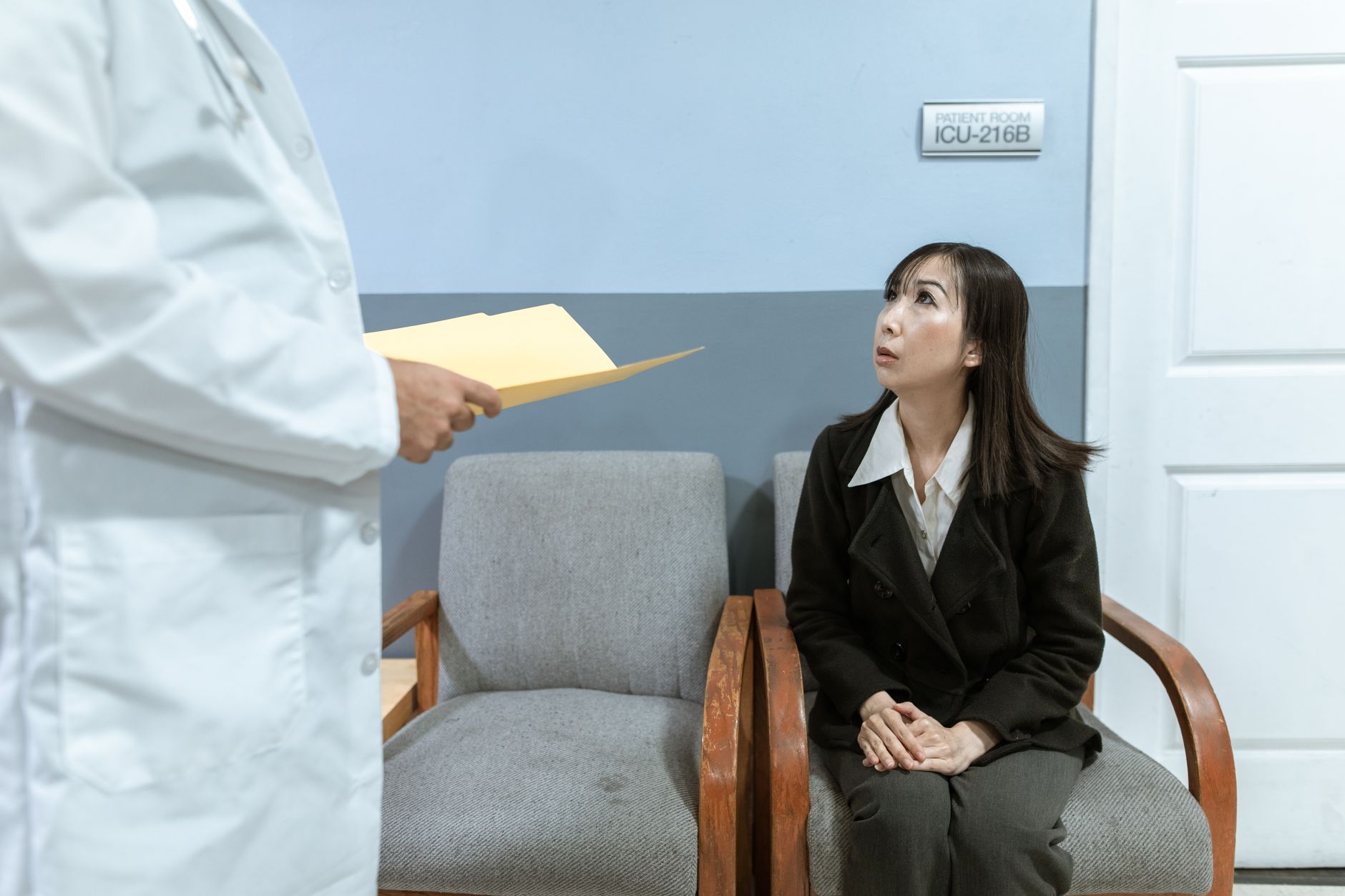
Most GP surgeries in England now use some form of online triage, systems like Florey or Patchwork Health’s platform, or the NHS’s own tools accessible through the NHS App. You fill in a short form describing your symptoms, and the surgery decides how to respond: a same-day call, a routine appointment, a message back from a pharmacist, or a referral elsewhere. It sounds impersonal, and I understand why some people resist it. But in practice, it often gets you help faster than a phone queue.
The NHS App itself has expanded considerably. If you haven’t explored it recently, there are features most people in England are still ignoring, including the ability to see your medical record, manage repeat prescriptions, and receive messages directly from your surgery. Worth ten minutes of your time.
One thing I’d strongly suggest: be specific in triage forms. “I’ve had a cough” will get a very different response than “I’ve had a productive cough for three weeks, I’m a 54-year-old non-smoker, and I’m also losing weight without trying.” The more clearly you describe what’s happening, the more accurately the system can route you to the right person.
Pharmacy-first: your GP isn’t always the right first stop
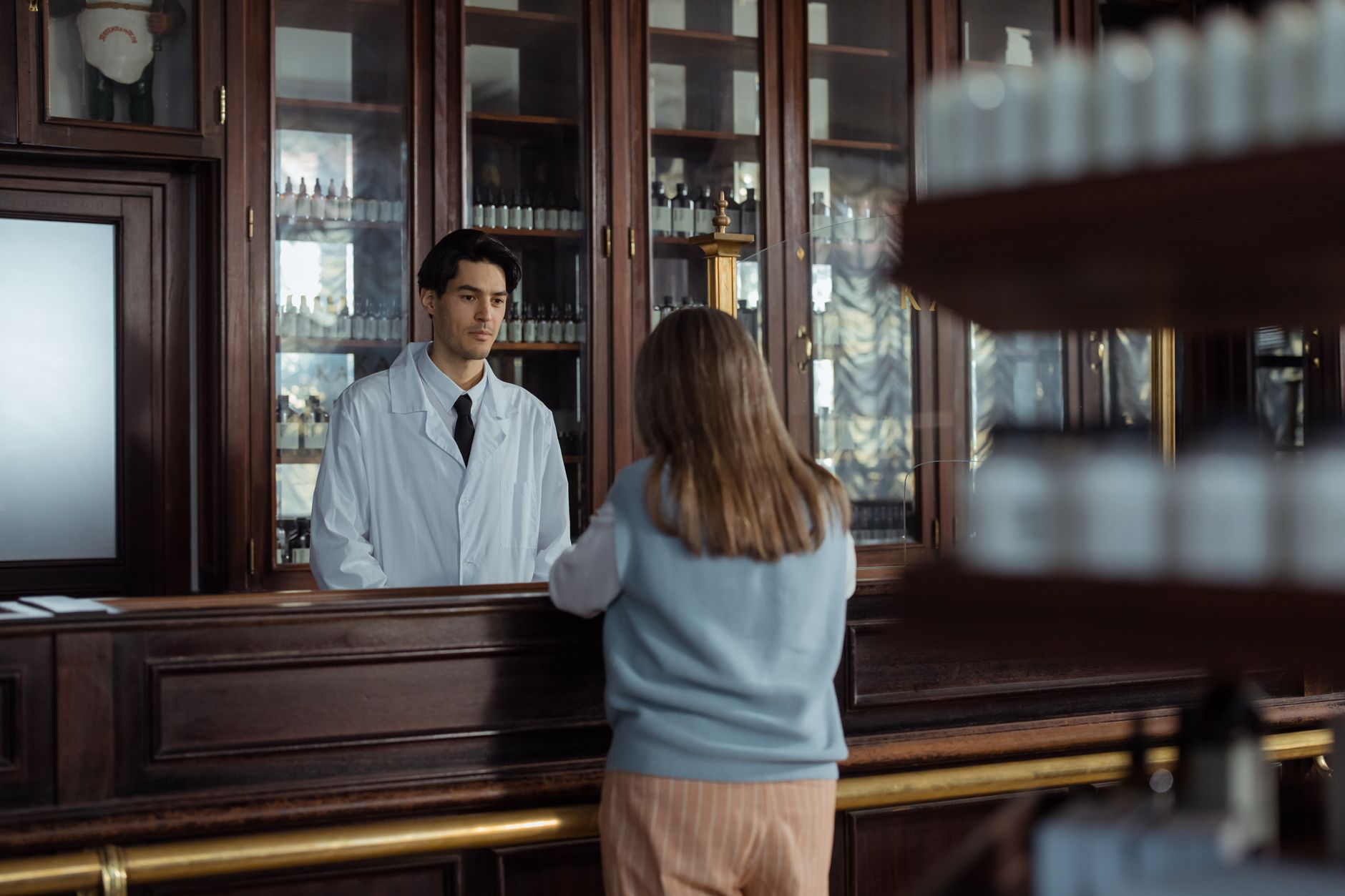
Since early 2024, the Pharmacy First scheme has been running across England, allowing community pharmacists to assess and treat seven common conditions without a GP referral. These include sinusitis, sore throat, earache, infected insect bites, impetigo, shingles, and uncomplicated urinary tract infections in women. Your local pharmacy can prescribe antibiotics for several of these. This is a proper clinical service, not just advice over the counter.
I’d encourage anyone dealing with one of those conditions to walk into their pharmacy first rather than fighting for a GP appointment. It frees up surgery capacity for more complex needs, and you’ll often be seen and treated within the same hour. The NHS Pharmacy First page lists participating pharmacies and exactly what they can treat, worth bookmarking.
Making the most of a short consultation
GP appointments are typically ten minutes. That’s not a lot of time, and walking in unprepared can mean you leave without addressing what actually matters to you. A few things I’ve found genuinely useful:
Write down your main concern before you go, not a list of fifteen things, but the one or two that matter most. Lead with it. Doctors are trained to address the presenting problem; if you spend the first eight minutes on something minor and then mention your chest pains as you’re leaving, that’s not an ideal outcome for anyone.
If you’ve got multiple issues, say so at the start: “I’ve got two things I’d like to cover today if possible.” This lets the GP manage the time consciously. They may book a follow-up for the second issue, but at least you’ve flagged it.
Bring a list of any medications you’re currently taking, including supplements and anything bought over the counter. And if you’re anxious or worried you’ll forget what was said, it’s entirely reasonable to ask whether you can take a brief note or check the summary in your NHS App afterwards.
Social prescribing: the service your GP might offer that isn’t a pill
This one surprises a lot of people. Social prescribing is a system where GP surgeries connect patients with community-based support, things like volunteering programmes, art groups, befriending services, debt advice, gardening projects, and exercise classes. Your surgery may have a dedicated link worker whose sole job is to help you access these kinds of resources.
It’s particularly relevant for loneliness, low mood, stress, and the kind of general malaise that doesn’t fit neatly into a clinical diagnosis. I’d argue it’s one of the more thoughtful developments in primary care in recent years. If you mention to your GP that you’re struggling more broadly, not just with a specific physical symptom, ask whether there’s a social prescribing link worker you could speak to.
Similarly, if you’re finding it hard to manage on your current income, energy costs, or housing situation, your surgery may be able to point you somewhere useful. We’ve written before about understanding your energy bill and challenging unfair charges, the kind of stress that energy bills cause has a genuine impact on health, and GPs are increasingly aware of that link.
When to ask for a different kind of help
Your GP surgery is not the only door into NHS primary care. Physiotherapy services in many areas now accept self-referrals, you don’t need a GP letter to get an initial assessment for a musculoskeletal problem. Similarly, many NHS talking therapies services (often branded as Improving Access to Psychological Therapies, or IAPT) allow self-referral online. Mental health support groups, weight management services, and smoking cessation clinics run through your council and the NHS both accept direct contact.
It takes a bit of confidence to navigate all this, I know. But my honest take is that the more you understand what’s available, the less daunting the whole thing becomes. And you become a more effective advocate for yourself, which, in a stretched system, genuinely matters.
On that note: if you’re trying to understand how any digital service works more clearly, whether that’s a council portal, an NHS tool, or anything else, good design makes a huge difference. Companies like Search Engine Tuning help organisations make sure their online presence is structured clearly and findable, which matters enormously when people are searching for health information under pressure.
Staying registered and keeping your details current
One practical point that often gets overlooked: make sure you’re registered at a surgery you can actually reach, and that your contact details are up to date. If you’ve moved recently, even within the same postcode area, your surgery may not know. Appointments and test results sent to an old mobile number or email address disappear into the void. Check your registration details annually, it takes two minutes through the NHS App or a quick call to reception.
If you’re struggling to register with a GP at all (this affects people who’ve recently moved, those without a fixed address, and some asylum seekers), the NHS guidance is clear that surgeries cannot refuse registration on the basis of your postcode alone. Citizens Advice can help if you’re being turned away unfairly.
The system isn’t perfect. But knowing how it works puts you in a much better position to use it well. And there’s real support out there, much of it quiet, much of it underused. Go and find it.
Frequently Asked Questions
How does online GP triage work in 2026?
Most surgeries now use a digital form, accessed via the NHS App or their own website, where you describe your symptoms. The surgery reviews your answers and decides the most appropriate response: a phone call, an in-person appointment, a pharmacist consultation, or a message. It often gets you seen more quickly than ringing at 8am and waiting in a queue.
What conditions can a pharmacist treat under Pharmacy First?
Under the Pharmacy First scheme in England, pharmacists can assess and treat sinusitis, sore throat, earache, infected insect bites, impetigo, shingles, and uncomplicated urinary tract infections in women, including prescribing antibiotics where appropriate. You don’t need a GP referral; just walk into a participating pharmacy.
What is social prescribing and how do I access it?
Social prescribing connects patients with community-based support, volunteering, exercise groups, debt advice, befriending services, rather than clinical treatment. Ask your GP whether there’s a link worker at your surgery; they can arrange a referral. It’s particularly helpful for loneliness, mild anxiety, and circumstances affecting your general wellbeing.
How do I make the most of a ten-minute GP appointment?
Come prepared with your one or two main concerns written down, and mention upfront if you have more than one issue so the GP can manage time accordingly. Bring a list of your current medications, and be as specific as possible about your symptoms, when they started, how often, and how they’ve changed. You can always check a summary of what was discussed in your NHS App afterwards.
Can I refer myself to physiotherapy or talking therapies without seeing a GP first?
In many areas of England, yes. NHS physiotherapy services increasingly accept self-referrals for musculoskeletal problems, and NHS talking therapies (previously IAPT) allow you to refer yourself online without a GP letter. Search for your local service on the NHS website to check eligibility and availability in your area.
Leave a Reply