

The towpath is the best free walking route in Britain, and most people have never thought to use it. UK canal walks need no boat, no map skills and no special kit, just a pair of sensible shoes and a couple of free hours. Here is how to get the most from them.
1. Start with a stretch you can reach by train
Canals were built to join towns, so the towpath nearly always runs past a station or bus stop. That makes a one-way walk easy: walk along the water, then catch a train back. Pick two stations on the same canal and you have a day out without worrying about parking.
The Kennet and Avon Canal between Bath and Bradford on Avon is a classic of this kind, with the Avoncliff aqueduct as the highlight. The Regent’s Canal in London, from Little Venice through Camden to Limehouse, shows you the city from its back door.
2. Choose the right stretch for the mood you’re in
Each part of the network has its own character, so match it to your day.
- Industrial heritage: the Birmingham Canal Navigations, with more miles of canal than Venice, as locals like to say, run through old factory country and are surprisingly green.
- Big engineering: the Pontcysyllte Aqueduct on the Llangollen Canal in Wales is a World Heritage Site and carries the water high above the River Dee.
- Quiet countryside: the Oxford Canal winds through villages and meadows with pubs placed exactly where you want them.
- Urban regeneration: the Manchester and Leeds Liverpool canals show how old mill districts have been given a second life.
3. Know what you’re looking at
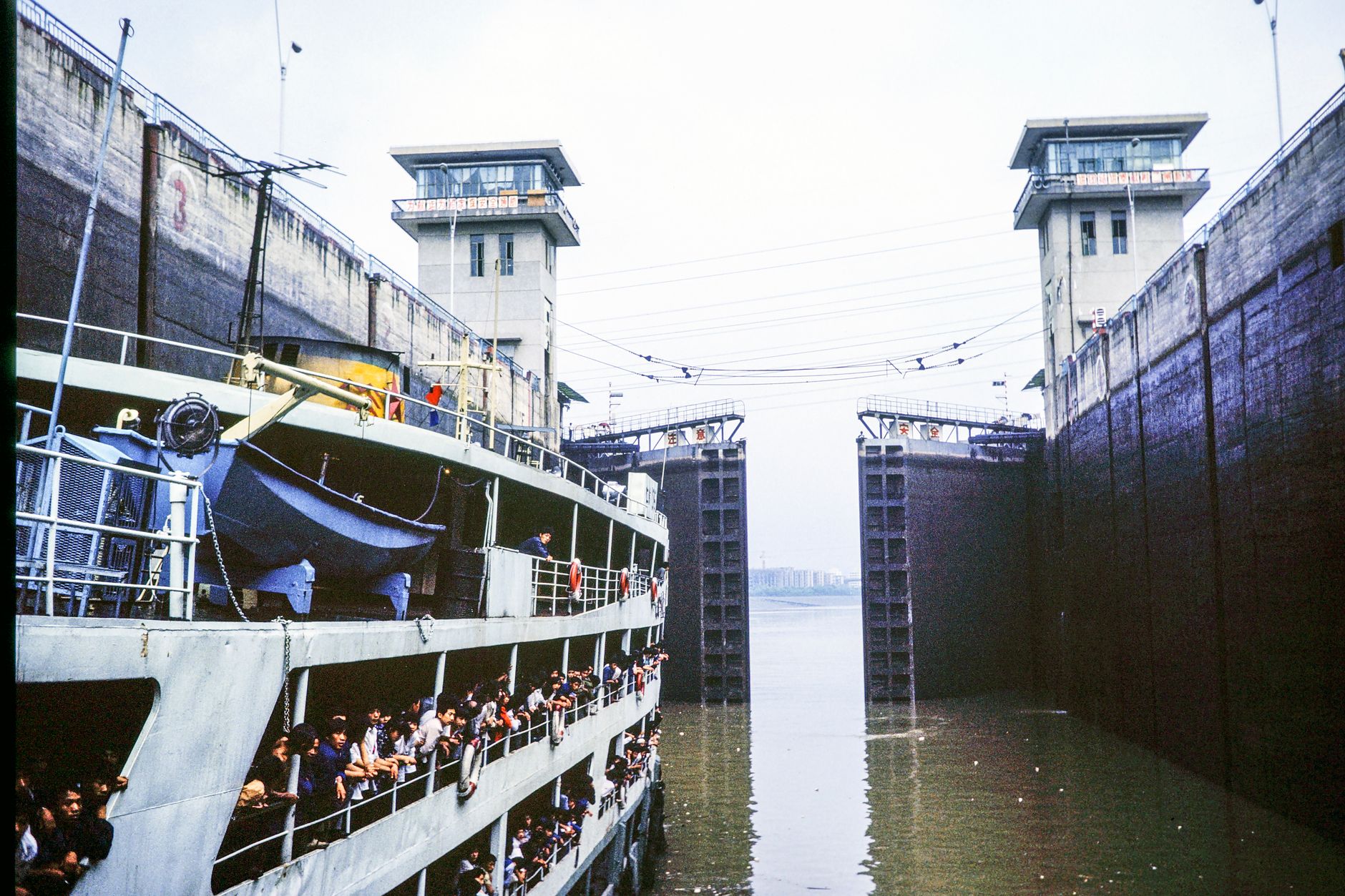
A canal walk is better when you can read the landscape. Locks lift boats between levels, and you can watch the whole process: paddles raised, water filling the chamber, gates swinging open. Look for the beams and balance arms, the narrow bridges with rope grooves worn into the stone by towing horses, and the mileposts that still mark distances.
Then there are the wildlife sightings. Herons stand motionless at the edge, kingfishers flash blue along the bank, and coots and moorhens are everywhere. In autumn the trees along the cut turn properly golden, which makes late November a good moment to go.
4. Mind your manners on a shared path
The towpath is shared with cyclists, runners, anglers and people living on boats. Keep to one side, listen for a bell and step aside, and keep dogs close. The Canal & River Trust asks cyclists to slow down and give way to pedestrians, and its towpath code is a sensible guide for everyone. Treat moored boats as people’s homes, which they are, and don’t peer in through the windows.
5. Dress for mud and plan for light
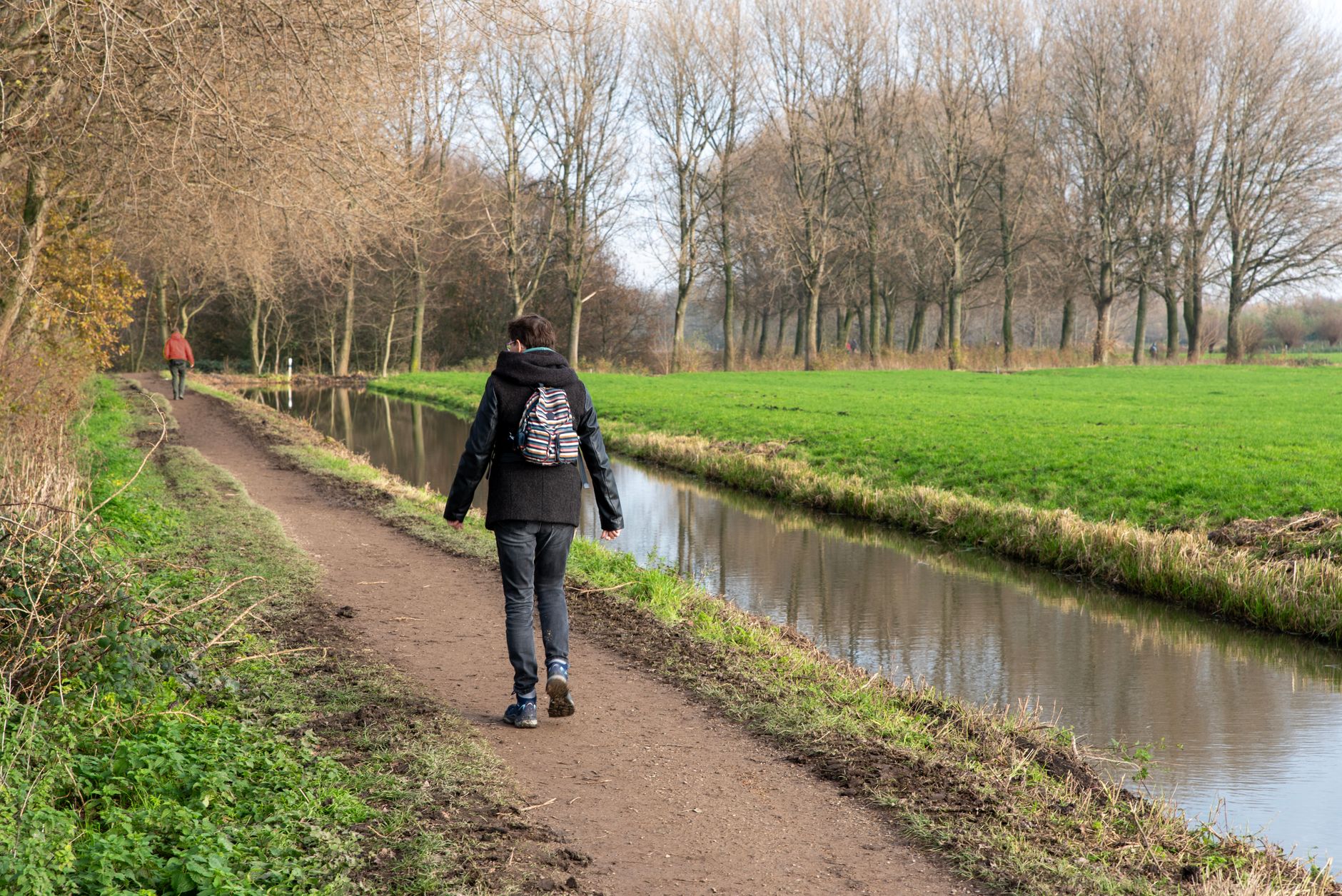
Towpaths vary enormously. Some are tarmac, some are compacted gravel, and some turn to mud after rain. Waterproof shoes beat trainers in winter. The water is also unfenced in most places, so take care with children and dogs, and avoid the edge when it is icy or wet.
In late November daylight is short, with sunset in the late afternoon, so set off early and plan a route you can finish before dusk. If you are cycling to a start point, our guide to cold-weather cycling in Britain has some useful tips for keeping warm.
6. Make a plan around the pub or café
Half the pleasure of a towpath is the stop. Canalside pubs, tearooms and boat-based coffee stalls are common, and a halfway break turns a simple walk into an outing. Look for a place near a lock or a bridge, where you can sit and watch boats work through. Pick your stop before you leave, so you know how far you have to go and can pace yourself.
7. Look out for the history behind the water
Most of the network dates from the late eighteenth and early nineteenth centuries, when canals carried coal, pottery, grain and iron across the country before the railways took over. You can still see warehouses, wharves, stables and tunnel portals along the way. Some tunnels, such as Standedge on the Huddersfield Narrow Canal, are among the longest in Britain, and the towpath takes you up and over on a separate route.
How does the Canal & River Trust keep the towpaths going?
The Canal & River Trust is a charity that looks after about 2,000 miles of canals and rivers in England and Wales, taking over from British Waterways in 2012. It maintains locks, bridges, embankments and towpaths, and relies on a mix of government funding, boat licences, property income and donations. Volunteers do a great deal of the practical work, from litter picks to lock-keeping, and you can sign up through the Trust’s website.
If you want to help, the simplest things cost nothing: take your litter home, report problems such as damaged paths or fallen trees, and tell others about the places you enjoy. If you run a local group or community project along the water and want to spread the word, Banner Ads explains the options for getting a message seen on a local scale.
Where to check before you go
Stoppages for repairs can close sections of towpath, particularly in winter when major works are scheduled. The Canal & River Trust publishes route information and notices, so look at it before you set off. Pack a hot drink, charge your phone, and tell someone where you are going. Then pick a stretch near you and walk it this weekend.
Frequently Asked Questions
Is it free to walk along a canal towpath?
On most of the network, yes. Canal & River Trust towpaths are generally free to walk. Some sections have limited access, or are closed for maintenance, so check the Trust’s website for notices before you travel.
Can I walk my dog on a canal towpath?
Yes, dogs are welcome on most towpaths. Keep them on a short lead near water, around cyclists and when passing moored boats. Bring bags, as dog mess is a common complaint on busy sections.
How long is the longest canal walk in the UK?
The Grand Union Canal runs for around 137 miles between London and Birmingham, and walkers can follow the towpath for much of it. Most people do it in sections over several days rather than in one go.



Leave a Reply