

How do you support your local high street in the UK without abandoning online shopping altogether? You pick a handful of things you buy regularly, move those to independent shops, and leave the rest alone. That is the whole argument of this column, and I’d say it works far better than a vow of purity you’ll break by Thursday.
The guilt-driven approach fails because it is all-or-nothing. Nobody keeps up a boycott. A small, boring, repeatable habit, on the other hand, can last for years, and shops notice a regular far more than they notice a one-off pilgrimage in December.
Why guilt is the wrong starting point
Guilt makes you feel you have done something once you’ve felt it. It doesn’t put a single pound in a till. The better question is practical: which of your regular purchases could sensibly come from a shop within walking or short driving distance?
Most households already have a few candidates. Meat, books, screws, paint, keys cut, a decent loaf, a birthday card. None of these needs a delivery slot, and several are better bought in person from someone who knows the product.
What should you buy from independent shops?
Buy the things where a human adds something. That usually means three kinds of shop first, and I’d start with these.
The butcher
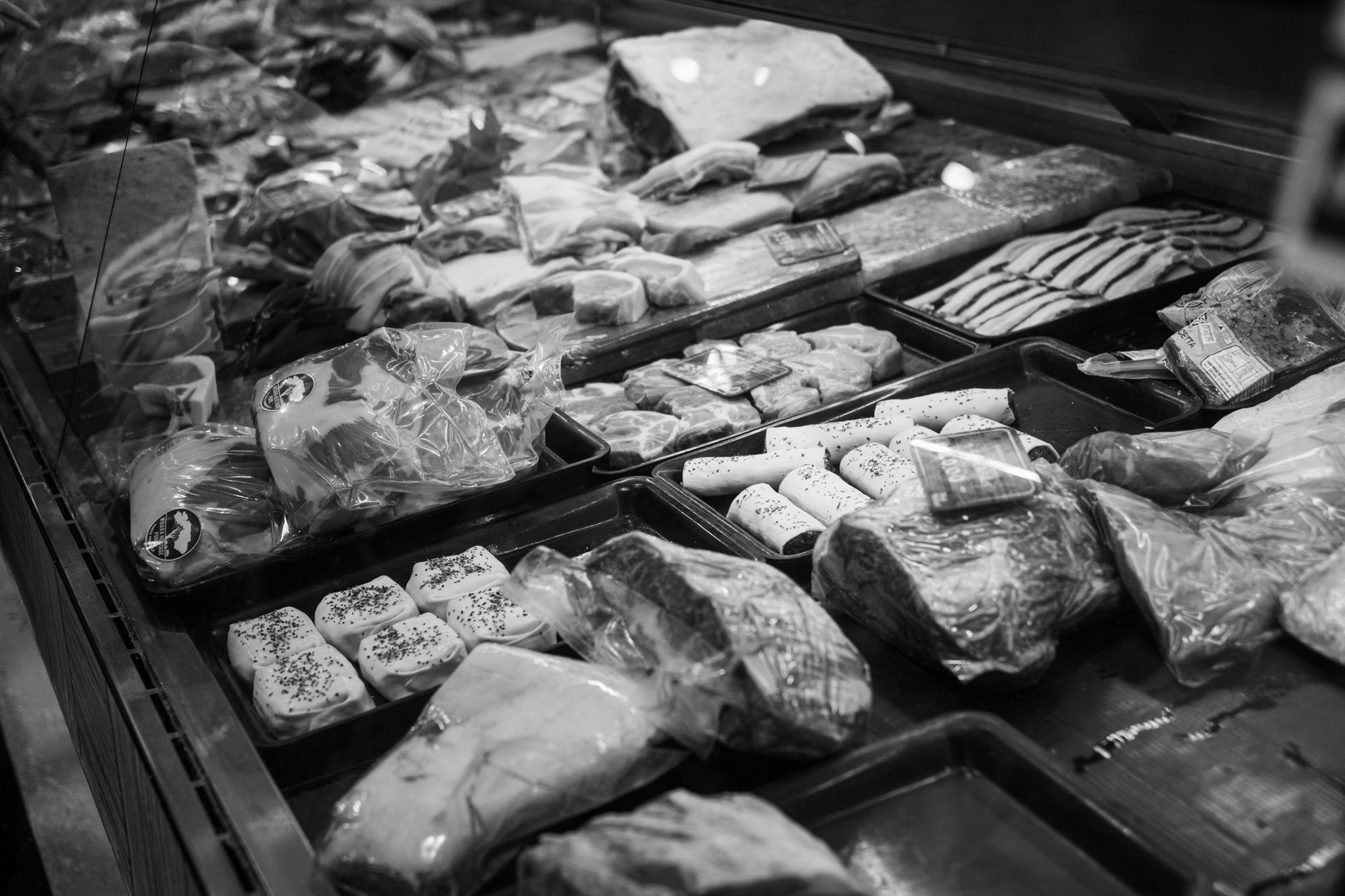
A good butcher will cut to your needs, tell you which cheaper cut suits a slow cook, and sell you two chops rather than a family pack. Once you have a favourite order, a Saturday visit takes ten minutes. It is often less wasteful than pre-packed supermarket meat, because you buy what you will actually eat.
The bookshop
An independent bookseller can order almost anything you ask for, usually within a day or two. You pay the cover price, and you get a recommendation that no algorithm will give you. If you buy gifts there, you also get them wrapped by someone who can tell you whether the recipient will like them.
The ironmonger
This is the shop I’d defend hardest. If you need one particular bolt, a replacement tap washer or advice on which filler suits a crumbling window sill, the ironmonger saves you a wasted afternoon. Buying a box of 500 screws online when you need six is not the bargain it looks.
Do small habits really make a difference?
Yes, because independent shops live on regular custom rather than occasional big spends. A shop with a hundred people each spending a modest amount every week is sturdier than one that relies on a Christmas rush. Money spent locally also tends to stay in the area longer, paying local staff, suppliers and landlords, a point the New Economics Foundation has made for years under the name local multiplier effect.
Here are habits that cost you almost nothing.
- Pick one shop and become a regular. Go weekly if you can.
- Ask for what you want. Independents can often order it in.
- Pay by card without grumbling. Small shops cope with fees, but they are not free.
- Tell people. A recommendation costs nothing and brings in real customers.
- Leave a decent review online. It helps a shop far more than you would guess.
What about the obvious objection: it costs more?
Sometimes it does, and pretending otherwise helps nobody. A small shop cannot match a giant’s buying power on a bestselling paperback or a kettle. My answer is to compare like with like. Butchers’ prices on cuts bought for the week, or ironmongers’ prices on loose fixings, are frequently competitive, and quality is often better. Where the price gap is real, choose your battles. You don’t have to buy everything locally for it to matter.
Online shopping also isn’t the villain. Plenty of independent shops sell online themselves, and some use local platforms to do it. In England, TownCentre (towncentre.app) is a free app for town centres and high streets, set up so local shops can sell for free, reach customers nearby and take card payments. It is one example of how a small trader can sit in your phone as well as on your high street.
Make it part of the week, not a project
The easiest way to make this stick is to attach it to something you already do. Walk the dog past the baker. Drop in at the bookshop on the way to the station. If you work from home, make the ironmonger your Saturday errand rather than an online order you forget about.
It also helps to see the high street as a whole. Shops that sit near each other draw each other’s customers, so a good café or market stall helps the shop next door. My piece on eating well at a British farmers’ market covers one very easy way to start, and if you want to understand where public money goes in your town, there is a guide to what your council does with your council tax, since parking, business rates and town centre upkeep all shape whether shops survive.
For a sense of how the wider picture looks, the government’s gov.uk site has guidance on business rates and local support schemes for small traders. But the real work is simpler. Choose three purchases this week, buy them from a shop with a person behind the counter, and do the same next week.
Frequently Asked Questions
How can I support my local high street without spending more?
Move only the items where independents are price-competitive, such as meat cut to order, loose fixings or greetings cards. Buying only what you need also cuts waste. Even one regular weekly shop makes a difference to a small trader.
Do independent shops really need regular customers?
Yes. Small shops work on thin margins, so steady weekly custom matters more than a rare big purchase. Regulars help a shop plan its stock and cash flow, and they are more likely to be there when the shop needs them.
Can independent bookshops order any book for me?
Most can order almost any book in print through wholesalers, often arriving within a day or two. You pay the cover price and collect in store. It is worth simply asking at the counter.
Is it still worth shopping locally if I also use Amazon?
Yes. You don’t need to give up online shopping to help your high street. Shifting a few regular purchases to local shops does more good than an occasional guilt-driven spree.
What are the easiest local shops to start with?
Butchers, bakers, bookshops and ironmongers are the simplest, because staff advice adds real value and you can buy exactly the amount you need. Pick one you pass regularly and make it your default.


Leave a Reply