

To make your home feel warmer without turning up the heating, stop the cold getting in first, then stop the warmth leaking out. Draught-proofing gaps and hanging heavier curtains are the cheapest jobs, and most cost less than a tank of petrol.
It’s late November, the clocks have changed and the cold is properly here. Before you touch the thermostat, spend a weekend on the fixes below. None needs a tradesperson and most can be done with a trip to the hardware shop.
Where does the cold actually get in?
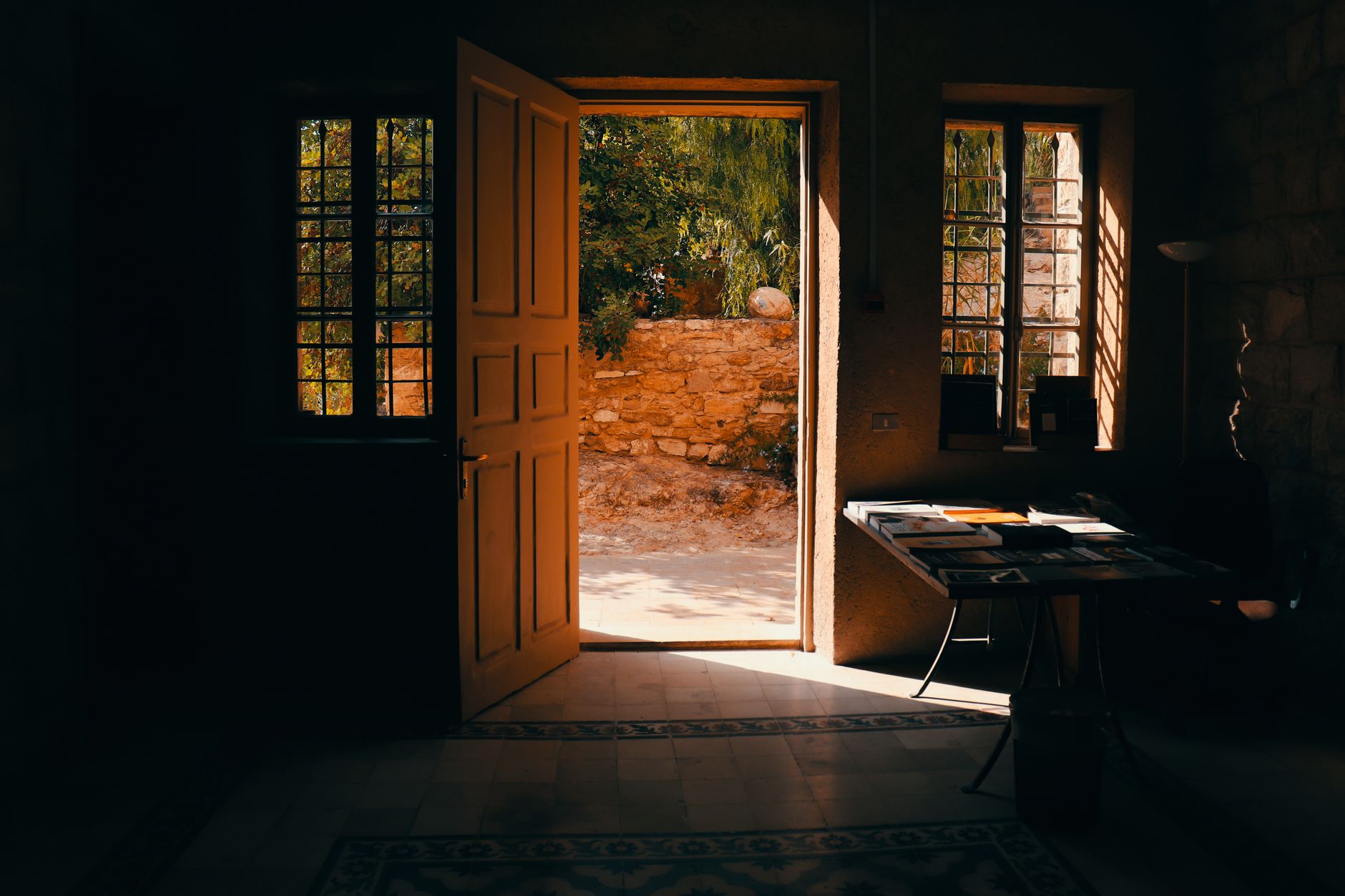
In most British homes the usual culprits are the front door, the letterbox, keyholes, gaps under internal doors, sash and casement window frames, floorboards and the loft hatch. Older terraces and semis with suspended timber floors tend to lose the most through the floor and the chimney. A simple test: on a windy day, hold the back of your hand near the edges of doors and windows. If you feel moving air, you’ve found a job.
The government’s Energy Saving Trust publishes advice on draught-proofing, and gov.uk has a section on energy-saving grants. Have a look at the gov.uk guidance on improving your home’s energy efficiency to see whether you qualify for any help with bigger jobs.
Cheap fixes compared: cost, effort and effect
The table below ranks the common options by what you’ll typically spend and how much difference you’ll notice. Prices are rough ranges for a standard home and vary by shop and size.
| Fix | Typical cost | Effort | Best for |
|---|---|---|---|
| Door snake or rolled towel | A few pounds | None | Gaps under internal and external doors |
| Self-adhesive foam or rubber strip | Under £10 a roll | Low | Window and door frames with small gaps |
| Letterbox brush or flap | Around £5 to £15 | Low | Front doors with a draughty slot |
| Keyhole cover | A pound or two | None | Old mortice locks |
| Thermal lined curtains | From about £20 a pair up to much more | Low | Large windows and bay windows |
| Secondary glazing film | Around £10 to £20 a window | Medium | Single glazing you can’t replace |
| Rugs over bare boards | Varies widely | Low | Living rooms and bedrooms |
Which draught-proofing fix is worth doing first?
Start with the front door, because it’s the biggest single gap in most homes. A letterbox brush, a keyhole cover and a draught excluder along the bottom cost very little and the difference is often felt the same evening. Next, work round the windows with adhesive foam strip, which is fiddly rather than difficult.
If you rent, check your tenancy before fixing anything permanently. Door snakes, rugs, window film that peels off cleanly and curtains all come with you when you leave.
Do thermal curtains make a room warmer?
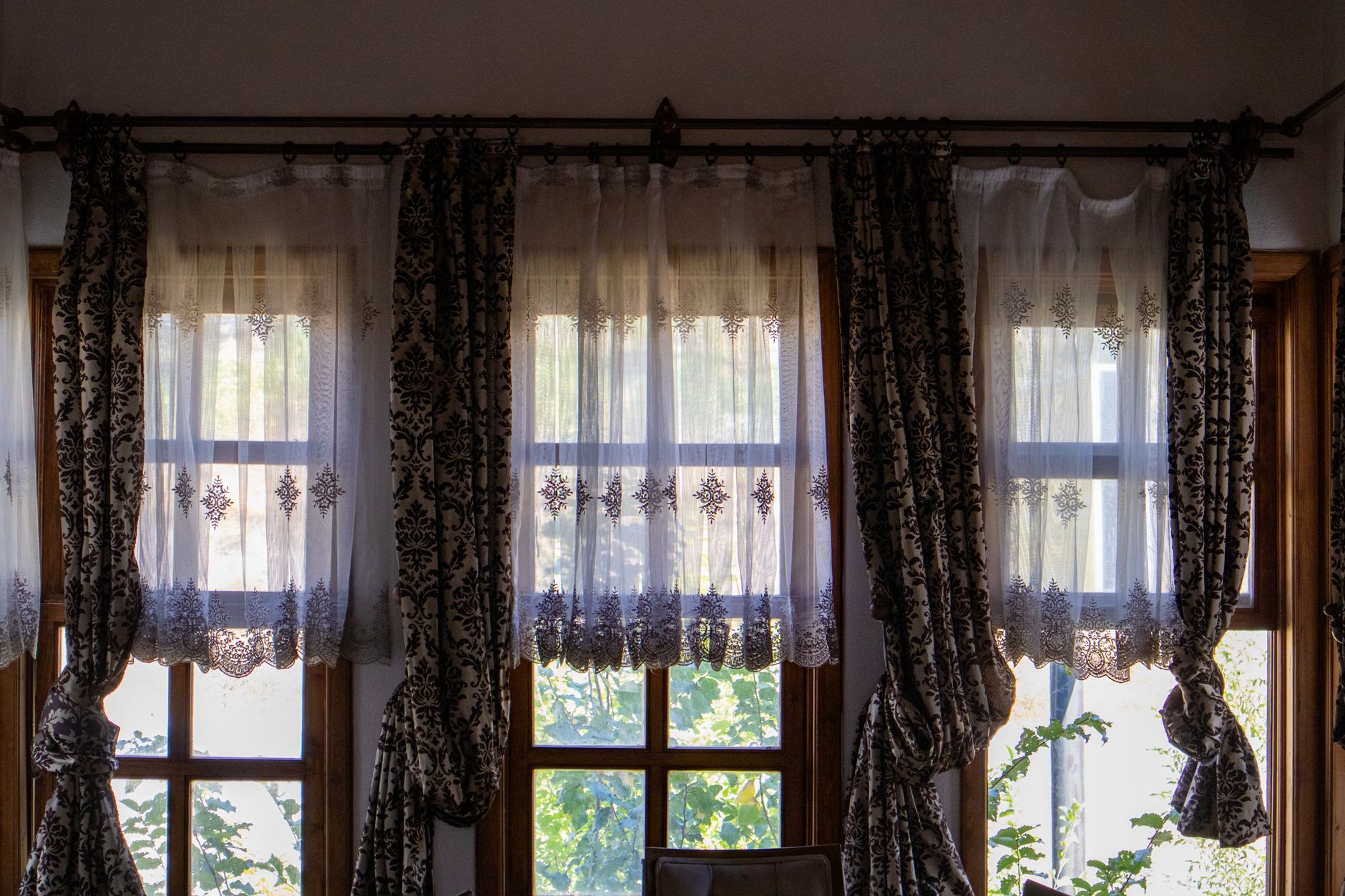
Yes, thermal curtains do help, particularly on single glazing or older double glazing. A thick lined curtain traps a layer of air against the glass, so less heat escapes through the window. Close them at dusk, and open them on sunny days to let in free warmth.
You don’t need to buy new. Adding a thermal lining to existing curtains, or hanging a second heavy curtain on the same pole, works well. Make sure they reach the sill or the floor, and don’t drape them over a radiator, which sends the heat into the glass instead of the room. A heavy curtain hung across the inside of a draughty front door, a very old-fashioned trick, still works.
Should you close off unused rooms?
Closing doors to rooms you don’t use is sensible, but don’t switch off the radiators entirely. Turn them down to a low setting, keep the door shut and fit a draught excluder at the bottom. Cold, unheated rooms can develop damp and condensation, especially in a spare room full of stored clothes or in a north-facing bedroom, so airing them briefly now and then is wise.
The same logic applies inside: keep the kitchen and bathroom doors shut when cooking or showering, so steam goes out through an extractor or an opened window rather than drifting into colder rooms where it will condense.
Soft furnishings that make a room feel snugger
Rugs on bare floorboards or laminate cut the chill from below, and a thick underlay helps more than people expect. Throws and blankets over sofas let you sit comfortably at a lower temperature. Wool and fleece hold warmth well, and a hot water bottle under a blanket costs pennies to fill.
Furniture placement matters too. Pull sofas and beds away from external walls and don’t block radiators with furniture, which stops the heat reaching the room. Reflective foil panels behind radiators on external walls are cheap and can send a little more heat back into the room.
Warmth is partly about atmosphere, and low lamps, candles and a decent blanket make a room feel more welcoming for the same temperature. If you want ideas for that side of things, here is some further reading: how to make a cosy winter solstice evening at home.
Who should pick which fix?
If you rent or have a tight budget, go for door snakes, letterbox brushes, rugs and curtain tricks, all of which are cheap and removable. If you own an older home with a lot of single glazing, secondary glazing film and lined curtains give the biggest return. If your home already has good glazing but feels cold underfoot, concentrate on floor gaps and rugs.
Bigger jobs such as loft insulation make a major difference, but they cost more. They’re worth a look through the gov.uk grants page above, and if you enjoy doing your own repairs, our piece on basic home maintenance and how it saves money covers the confidence side of small DIY jobs. Start this weekend with the front door and one window, and see how the room feels by Sunday evening.
Frequently Asked Questions
What is the cheapest way to stop draughts at home?
A door snake or rolled towel at the foot of a door is the cheapest fix, costing a few pounds or nothing. Self-adhesive foam strip around window frames and a keyhole cover are also very low cost and quick to fit.
Is it cheaper to heat one room or the whole house?
Heating only the rooms you use can lower bills, but it depends on your heating system and home. Keep doors closed to unused rooms and leave radiators at a low setting there to avoid damp. Your boiler’s instructions or an energy adviser can help.
Do thick curtains really keep heat in?
Yes, lined or thermal curtains reduce heat loss through windows, particularly single glazing. They work best when they hang close to the window, reach the sill or floor, and are closed at dusk.
Should I put furniture in front of radiators?
No. Sofas and large furniture in front of a radiator absorb heat and stop it circulating round the room. Leave a gap, and avoid hanging long curtains over the radiator.




Leave a Reply