

How do you join amateur dramatics in the UK as a beginner? You find a local society, go along to a meeting or open evening, and say you would like to get involved. Nobody will ask for a CV or an audition tape, and plenty of members first came through the door knowing nothing at all.
Amateur dramatics, or am-dram, is one of the great quiet traditions of British life. Almost every town and many villages have a group putting on plays, musicals or pantomimes in a church hall, a community theatre or a converted cinema. If you have ever thought "I’d love to, but I couldn’t possibly", this guide is for you.
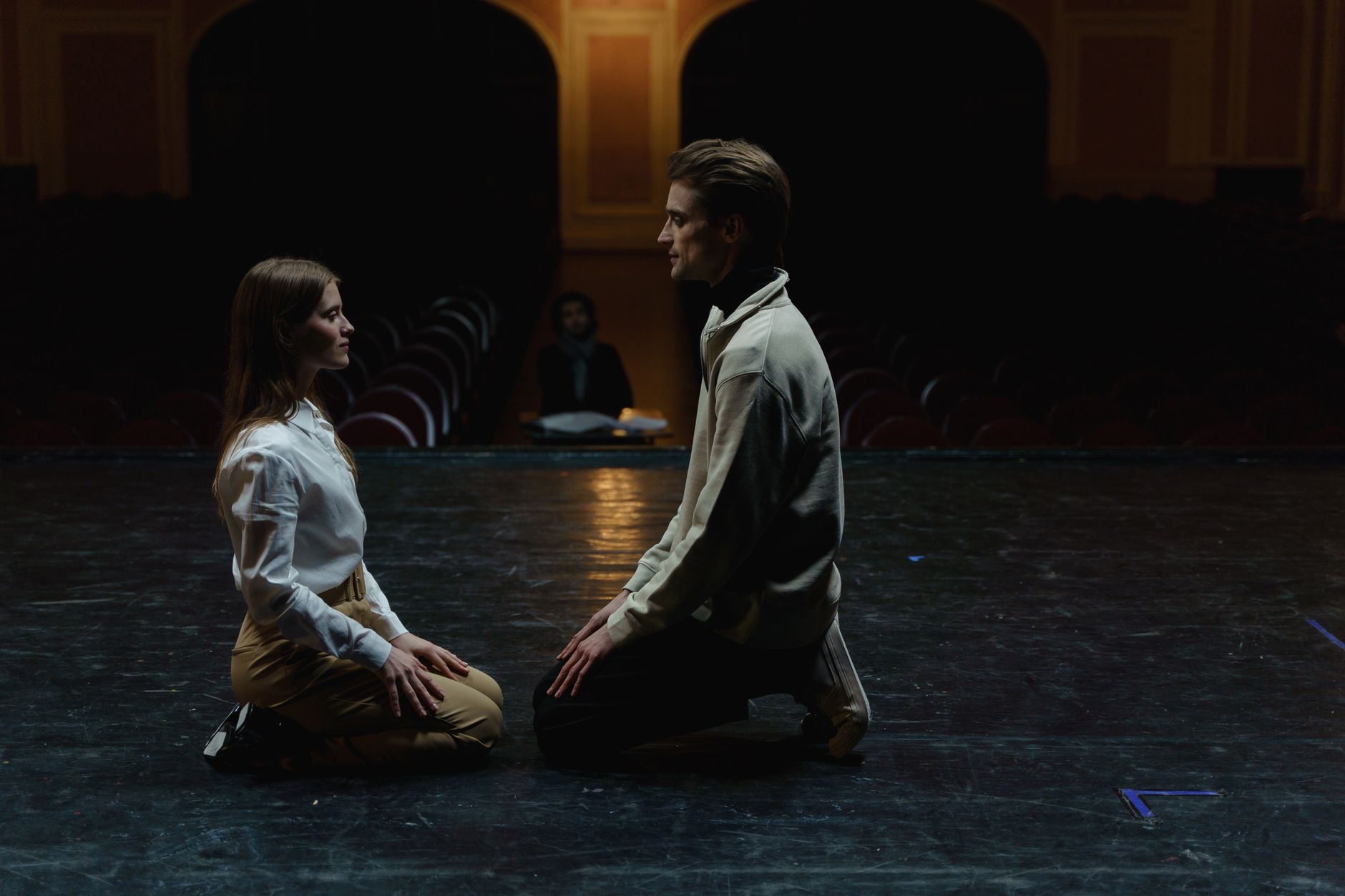
How do I find an amateur dramatic society near me?
The quickest way is to search for your town’s name plus "amateur dramatic society" or "drama group", then check the group’s website or Facebook page. Most list their next show, their rehearsal night and a contact for new members.
The National Operatic and Dramatic Association, known as NODA, is the national body for amateur theatre and is a good place to start if you want a wider look at what is around. Your local library, community noticeboard and village newsletter are worth a glance too, as many societies still rely on posters and word of mouth. If you spot a show coming up, buy a ticket and watch. You will learn the standard, the tone and the sort of people involved before you commit to anything.
Do I need acting experience to join?
No. Most societies welcome complete beginners, and many would struggle to put on a show without them. A production needs far more than actors, and even the acting side usually has room for small parts, chorus roles and understudies.
Auditions can sound frightening, but in am-dram they are normally gentle. You might read a page of script aloud, or sing a few bars if it is a musical, in front of a director and a handful of members. Directors are often looking for reliability and enthusiasm as much as polish. If you would rather not audition at all, offer to help backstage first. Plenty of members start there and drift on to the stage later.
What happens on my first night?
On a first night you will usually be greeted, handed a cup of tea and introduced to a few people, then asked to join in with whatever the group is doing. That might be a read-through, a warm-up game or a rehearsal where you simply sit and watch.
Warm-ups can feel odd for about five minutes. Expect some stretching, tongue-twisters and the odd silly exercise with names. Everybody has felt self-conscious doing them, which is rather the point. It is also normal to be asked for a small subs or membership fee, often a few pounds a week or an annual sum, to cover hall hire. Ask the secretary what it is before you go.
What jobs are there besides acting?
Besides acting, a society needs directors, stage managers, prompters, set builders, painters, costume makers, lighting and sound operators, front-of-house staff, publicity volunteers and someone to bake for the interval. Some of these need skill and many simply need willing hands.
- Backstage: moving scenery, looking after props and cueing the cast. Calm and organised people are gold dust.
- Set and costume: anyone with a hammer, a sewing machine or a decent eye for colour.
- Front of house: selling tickets, running the raffle and welcoming the audience.
- Tech: lights and sound, often learnt on the job from patient older hands.
Trying a few roles is perfectly acceptable. It is a sensible way to find out what you enjoy without pressure.
How much time does it take?
A typical production asks for one or two rehearsal evenings a week for around two to three months, with extra time in the final fortnight and a run of performances. Smaller roles and backstage jobs often need less. Check the rehearsal schedule before you accept a part, and be honest about holidays or shifts. Directors would much rather hear about a clash in week one than week eight.
Why does am-dram build confidence and community?
Am-dram builds confidence because you practise being looked at, speaking up and recovering from mistakes in a supportive setting, and it builds community because a group of mixed ages and backgrounds works towards a shared deadline. A teenager, a retired engineer and a nurse on shift work might all be in the same scene.
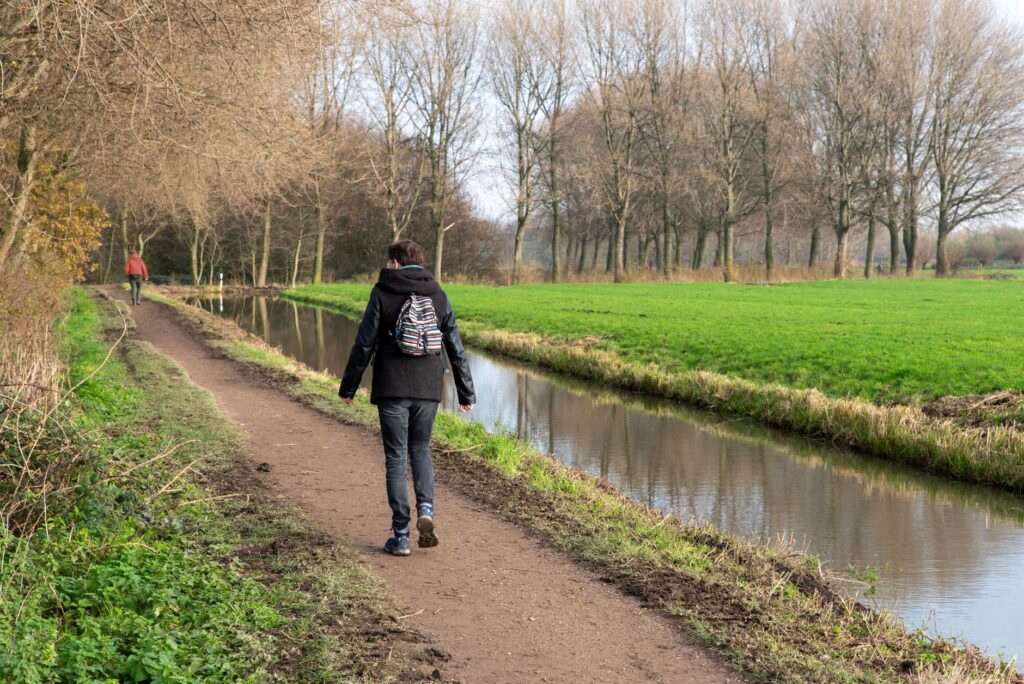
The result is friendships that rarely form elsewhere. Many people find that speaking in meetings, at weddings or in job interviews gets easier after a season on stage. It is also a good antidote to evenings spent on the sofa, much like a long walk on a National Trail gets you out of your own head. And a society that fills a village hall for a pantomime is doing something for the whole neighbourhood, not just its members.
What should I do this week?
Look up one society within easy reach, find out when its next show or open evening is, and email to say you are new and interested. Then go along, accept the tea, and say yes to the first small thing you are asked to do. Autumn is a good time to try, as many groups are starting rehearsals for pantomime or planning spring shows and are keen for fresh faces.
Frequently Asked Questions
Can I join an amateur dramatic society if I'm shy?
Yes. Many shy people join precisely because it helps them come out of their shell. You can start backstage or in the chorus, and most groups are used to nervous newcomers and will let you build up gradually.
How much does it cost to join an am-dram group?
Costs vary by society, but most charge a modest membership fee or weekly subs to cover hall hire and licences. Some also ask members to buy their own costume basics. The secretary or membership contact can tell you the exact figure before you commit.
Are there amateur dramatics groups for older beginners?
Yes. Am-dram has no upper age limit, and many societies have members from their teens to their eighties. Some groups also run daytime or older-adult sessions, so it is worth asking what is on offer locally.
Do I have to audition for a part?
For a speaking role you usually will, but auditions are typically informal, with a short reading or a song. You can often get involved without auditioning by helping with sets, costumes, lighting or front of house.
What is the difference between amateur dramatics and a drama class?
A drama class focuses on teaching skills, while an amateur dramatic society exists to stage productions for an audience. Societies are run by volunteers and members, and you learn by doing, though many are happy to give beginners guidance along the way.


Leave a Reply