

Can you claim money when your flight is delayed or cancelled? Often, yes. Under the UK version of the old EU rules, known as UK261, you can be owed between £220 and £520 per passenger, plus care and a refund or re-routing, depending on the length of your flight and the cause of the disruption.
Your uk flight delay compensation rights are set out in retained law that the UK kept after Brexit, and the Civil Aviation Authority (CAA) is the regulator that oversees how airlines apply it. Here is how it works in practice.
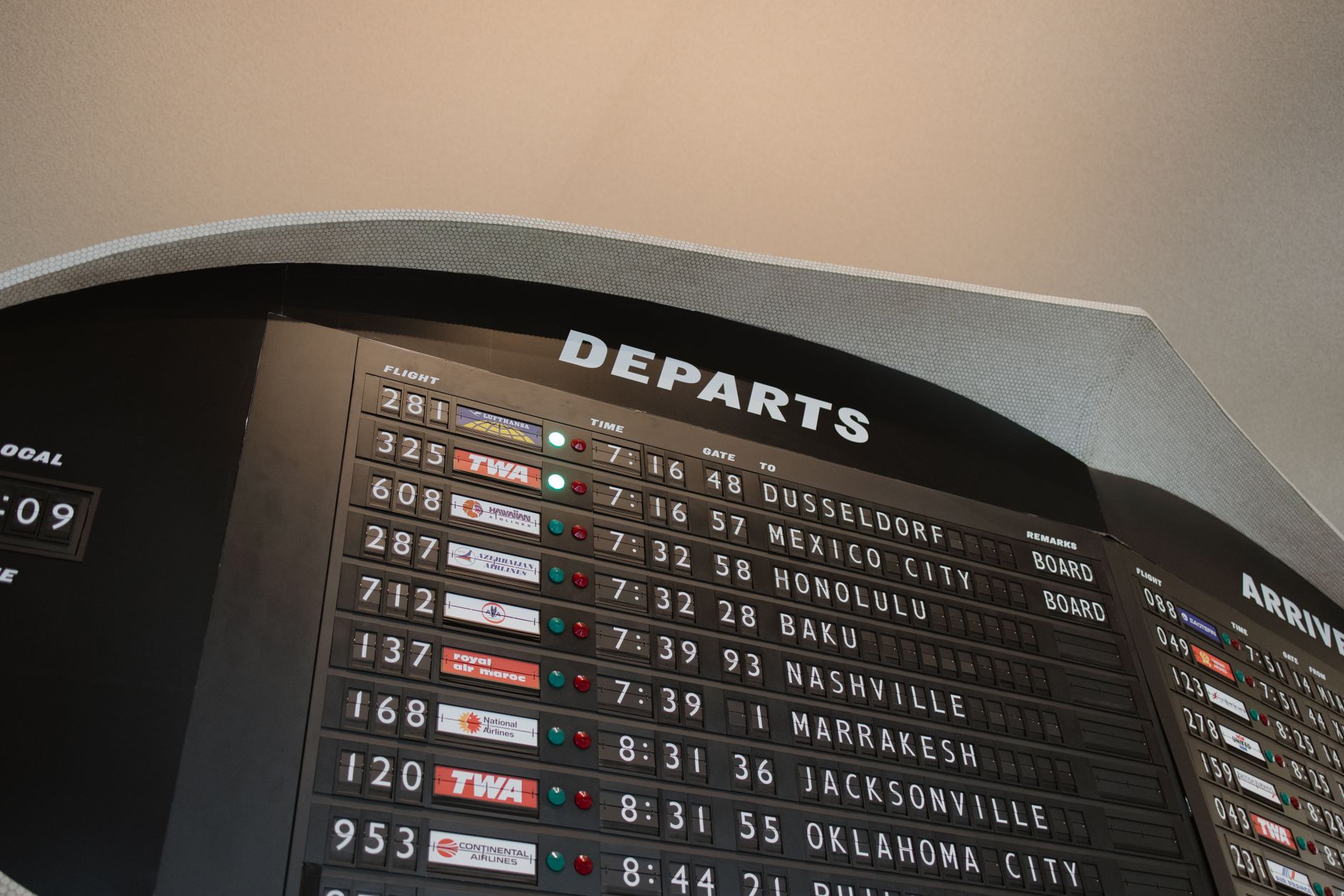
What are my UK flight delay compensation rights after Brexit?
UK261 applies to flights departing from a UK airport on any airline, and to flights arriving in the UK on a UK or EU airline. The rules were carried over almost word for word when we left the EU, so the amounts will look familiar.
The compensation is fixed by distance, and it applies when you reach your final destination more than three hours late. At the time of writing, the bands are:
| Flight distance | Compensation per passenger |
|---|---|
| Up to 1,500 km | £220 |
| 1,500 to 3,500 km | £350 |
| Over 3,500 km | £520 |
Check the CAA’s pages on gov.uk for the current position, as the government has talked about changing the rules from time to time.
When can I claim compensation for a delay or cancellation?
You can claim when the delay is three hours or more on arrival and the cause was within the airline’s control. Think crew shortages, an aircraft that needed a repair that should have been caught earlier, or poor scheduling.
For cancellations, you are generally entitled to compensation if you were told less than 14 days before departure, unless you were offered a suitable alternative flight at close to the original times. Denied boarding because the airline oversold the flight is also covered.
What counts as extraordinary circumstances?
Extraordinary circumstances are events the airline could not have prevented even with reasonable measures, and they remove the right to compensation. Severe weather, air traffic control strikes, security threats and airport closures are the usual examples.
This is where most disputes arise. A technical fault is not automatically an excuse: routine maintenance faults generally are not treated as extraordinary. Strikes by the airline’s own staff do not usually count either. If an airline cites weather, ask for specifics about the time and place, because a storm elsewhere on the network may not explain your flight.
What else am I owed besides compensation?
Whatever the cause, including bad weather, the airline must look after you while you wait. That is separate from compensation, and it still applies when you cannot claim money.
- Meals and refreshments in proportion to the wait, once the delay passes a set threshold that depends on flight length.
- Hotel accommodation and transport to and from it if you are stuck overnight.
- Two phone calls, emails or messages.
- A choice between a refund and re-routing if your flight is cancelled, or if a delay reaches five hours.
Keep receipts. If the airline does not provide help at the airport, you can usually buy reasonable items yourself and claim them back, so photograph menus and keep itemised bills.
How do I claim flight delay compensation?
Claim directly from the airline, in writing, with your booking reference, flight number and date. Most airlines have a web form, and some have an email address for the purpose. Follow these steps:
- Gather your booking confirmation, boarding passes and any messages about the disruption.
- Note the actual arrival time. The three-hour test is about reaching your destination, not leaving on time. Flight tracking sites keep historic records.
- Submit the claim and keep a copy. Quote UK261 and the amount you expect.
- If the airline refuses or ignores you after eight weeks, escalate to an approved alternative dispute resolution (ADR) scheme.
The CAA publishes which ADR schemes airlines belong to, and the main ones are free to use. Failing that, the Small Claims track in the county court is the last resort. In England and Wales you can generally go back up to six years, and in Scotland the time limit is five years.
You do not need a claims company. They typically take a cut, often a quarter or more, for doing what is essentially a form and an email.
Which airlines make claiming harder than it should be?
I won’t name and shame particular carriers on thin evidence, but the pattern is consistent enough to describe. The CAA has publicly pressed airlines over slow refunds and weak responses, and complaints data it publishes shows wide differences in how often airlines settle with passengers through ADR. Look at the CAA’s consumer pages to see how your airline performs before you fly.
The tactics to watch for are familiar. Blaming every delay on extraordinary circumstances without explanation. Offering vouchers instead of cash, which you are not obliged to accept. Pointing you to a form that only handles refunds. Replying with a template that ignores your specifics. Low-cost carriers with thin margins tend to generate more disputes, but legacy airlines are not immune. A polite, firm second letter citing UK261 often changes the answer.
What about flights from the EU to the UK?
Flights from an EU airport to the UK on an EU airline are covered by the EU’s own rules, EC261, and flights on a UK airline into the UK are covered by UK261. Claims are made under whichever applies, and the process is similar. Booking a package holiday adds extra protection through the Package Travel Regulations, so check whether your trip was sold as a package.
If you want to be prepared before your next trip, screenshot your booking and keep boarding passes until the journey is fully done. Then, if the departures board turns red, you already have what you need. Travel insurance may help with costs not covered here, such as missed connections booked separately, so it is worth reading the policy before you go. The official starting point is the CAA’s guidance on flight delays and cancellations on gov.uk.
Frequently Asked Questions
How long do I have to claim flight delay compensation in the UK?
In England and Wales you can generally claim for flights up to six years ago, and in Scotland the limit is five years. It is easier with recent records, so claim as soon as you can and keep your booking and boarding documents.
Can I claim if my flight was delayed by bad weather?
Usually not for compensation, because severe weather counts as an extraordinary circumstance. You are still entitled to care such as meals and accommodation while you wait, and to a refund or re-routing if the flight is cancelled.
Do I get compensation if the airline offers me a voucher?
You do not have to accept a voucher. If you are owed compensation under UK261 you can ask for cash, and an airline cannot insist on a voucher in its place unless you agree to it.
Should I use a claims company for flight compensation?
You do not need to. Claiming directly from the airline is free, and claims firms typically keep a percentage of what you win. They can be useful if you cannot face the paperwork, but you will get less.
What if the airline ignores my compensation claim?
Wait about eight weeks, then take it to the airline’s approved ADR scheme, which the CAA lists. If that fails, you can bring a small claims case in the county court, or the sheriff court in Scotland.




Leave a Reply