

Is it safe to start wild swimming in Britain, and do you need to be brave? Yes, it can be safe if you start sensibly, and no, you don’t need to be brave, only prepared. This wild swimming UK beginners guide takes the common beliefs one at a time and says what is actually true.
Plenty of people take it up in autumn, which surprises them. The water is colder than in August, but it is also quieter, and the habit you build now will carry you through the year.
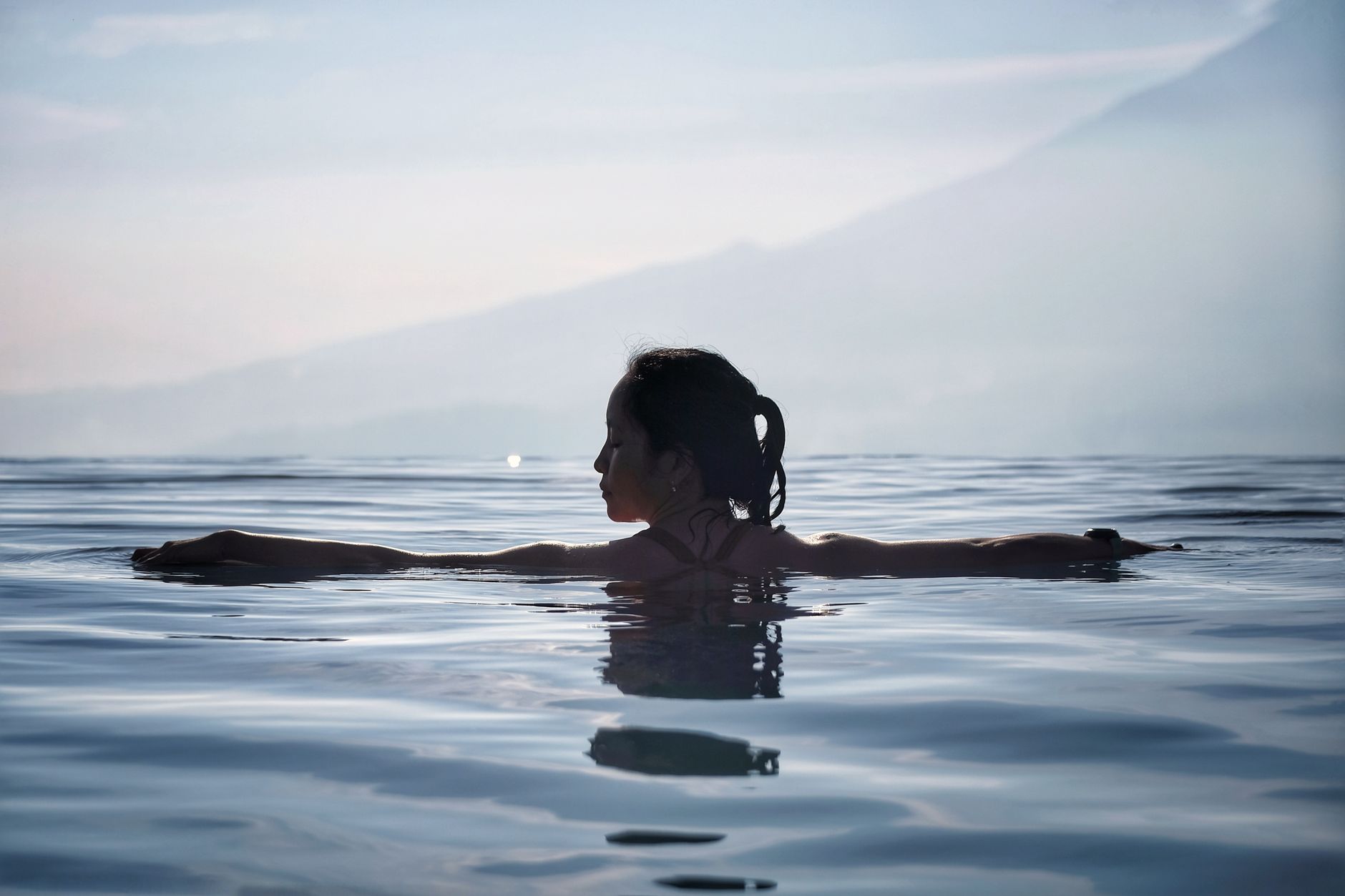
Myth: you have to be a strong swimmer to start
You need to be a confident swimmer, but not a fast or athletic one. If you can comfortably swim 200 metres or so in a pool without clinging to the wall, you have the basic skill. The difference outdoors is that there is no wall, no lane rope and no pool floor to stand on.
So start in shallow water where you can stand, stay close to the edge, and swim parallel to the bank rather than heading for the middle. A bright swimming hat helps other people see you, and a tow float, the inflatable bag that clips to your waist, makes you far more visible to boats and anglers.
Myth: the cold is dangerous and unbearable
Cold water is a real hazard, but the sensation is far worse than the reality for most healthy people, and it eases quickly. The first minute is the hard bit. Your breathing speeds up, which is called the cold shock response, and it usually settles within a couple of minutes if you stay calm and breathe out slowly.
The sensible approach is to get in gradually, keep your head up at first, and keep your first dips short. A few minutes is plenty in autumn. Many beginners are surprised that the afterglow feels lovely. If you want to understand how to dress for the air temperature afterwards, the layering ideas in our cold-weather cycling guide work just as well on a riverbank.
If you have a heart condition, high blood pressure or another long-term health problem, talk to your GP before you start. The NHS website is a good place for general health information.
How cold is too cold for a beginner?
There is no single safe number, because tolerance varies from person to person. As a rule, beginners should keep swims short and get out at the first sign of shivering that won’t stop, numb hands that stop working properly, or confusion. Cold hands are your early warning, since you may struggle to do up a zip long before you feel truly chilled.
Never swim alone, and always get out sooner than you think you need to. Most of the trouble comes after the swim, when the body’s temperature keeps dropping. Have a hat, a dry robe or big coat, and a flask ready before you get in.
Myth: you can swim anywhere you like
In England and Wales, there is no general right to swim in any river or lake. Much of the water is privately owned, and access depends on the landowner. Scotland is different, because the Scottish Outdoor Access Code gives a broad right of responsible access to most land and inland water.
That does not mean you are stuck. Many places welcome swimmers, including some rivers, lakes and tarns, lidos and organised swim venues. The sensible route is to look up your area before you go, and to ask permission when in doubt.
How do you find a legal and safe swimming spot?
The best starting point is the Outdoor Swimming Society, a UK community that publishes guidance and advice for people new to open-water swimming. Local swimming groups are another good route, and many are friendly to newcomers. Check what each site says about access before you travel.
The government also designates official bathing waters, mostly beaches and some inland spots, and tests them for water quality during the bathing season. In England you can look up results through the Environment Agency, and equivalent bodies cover Scotland, Wales and Northern Ireland. Outside the season, and at spots that aren’t designated, the water is not routinely monitored for you, so it pays to be more cautious.
A walk to a new spot is half the fun, so if you fancy planning one, our guide on how to read an OS map will help you find the footpaths that lead to the water.
Myth: clear water means safe water
Water can look beautiful and still hold hidden risks. Weirs, strong currents, underwater obstacles, sudden drops and blue-green algae are all things you can’t always see. Rivers can run faster than you expect, especially after rain, and the water level can change quickly.
Some simple habits cut the risk a lot:
- Avoid swimming after heavy rain, when rivers run faster and pollution from storm overflows is more likely.
- Stay away from weirs, locks, bridges and anywhere boats go.
- Check the entry and exit points before you get in, and make sure you can climb out.
- Do not jump or dive in without knowing what is below.
- Wash your hands before eating, and cover cuts with waterproof plasters.
If you see a bluish-green scum on the surface, stay out, and keep dogs out too.
Myth: you need expensive kit
You need very little. A swimming costume, a bright hat, a towel, warm clothes and a flask will do for autumn dips. A wetsuit is entirely optional and many people find it helps them stay in longer while they build confidence.
Sturdy shoes for the walk and some neoprene gloves or socks can be useful as the water cools, though plenty of swimmers go without. Buy the basics, see whether you enjoy it, and add things as you learn what you actually miss.
Your first swim, step by step
- Pick a known, legal spot and tell someone where you are going and when you expect to be back.
- Go with a friend or a group, and stay within your depth.
- Check the weather, recent rainfall and any posted warnings.
- Walk in slowly, breathe out steadily, and keep your first swim to a few minutes.
- Get out before you feel truly cold, dry off and dress warm layers first on the core, then the limbs.
- Have a hot drink and something to eat.
If you are unsure about the spot on the day, don’t get in. There will be another Saturday. Join a local group for your first few visits, and let someone experienced show you how they judge a place.
Frequently Asked Questions
Is wild swimming legal in the UK?
It depends where you are. In Scotland there is a broad right of responsible access to most inland water. In England and Wales there is no general right, so you need to use public access spots or get the landowner’s permission.
Can I wild swim in winter?
Many people do, but you should build up gradually through autumn and keep swims short. Never swim alone, take warm clothes and a hot drink, and get out at the first signs of uncontrollable shivering or numb hands.
Do I need a wetsuit for wild swimming?
No. Many people swim in an ordinary costume, particularly in warmer months. A wetsuit can make longer or colder swims more comfortable, so it is worth considering as the water cools, but it is not essential.
Is it safe to swim in rivers after rain?
It is best avoided. Heavy rain makes rivers faster and colder, and can wash pollution and sewage overflow into the water. Wait several days and check local information before you swim.



Leave a Reply