

A proper packed lunch is worth bringing back because it costs a fraction of a shop-bought one, tastes better when you have planned it, and takes about ten minutes the night before. The best packed lunch ideas UK adults can rely on are not clever. They are considered: something hearty, something fresh and something you are glad to see when you open the box. Here are the usual objections, taken one at a time.
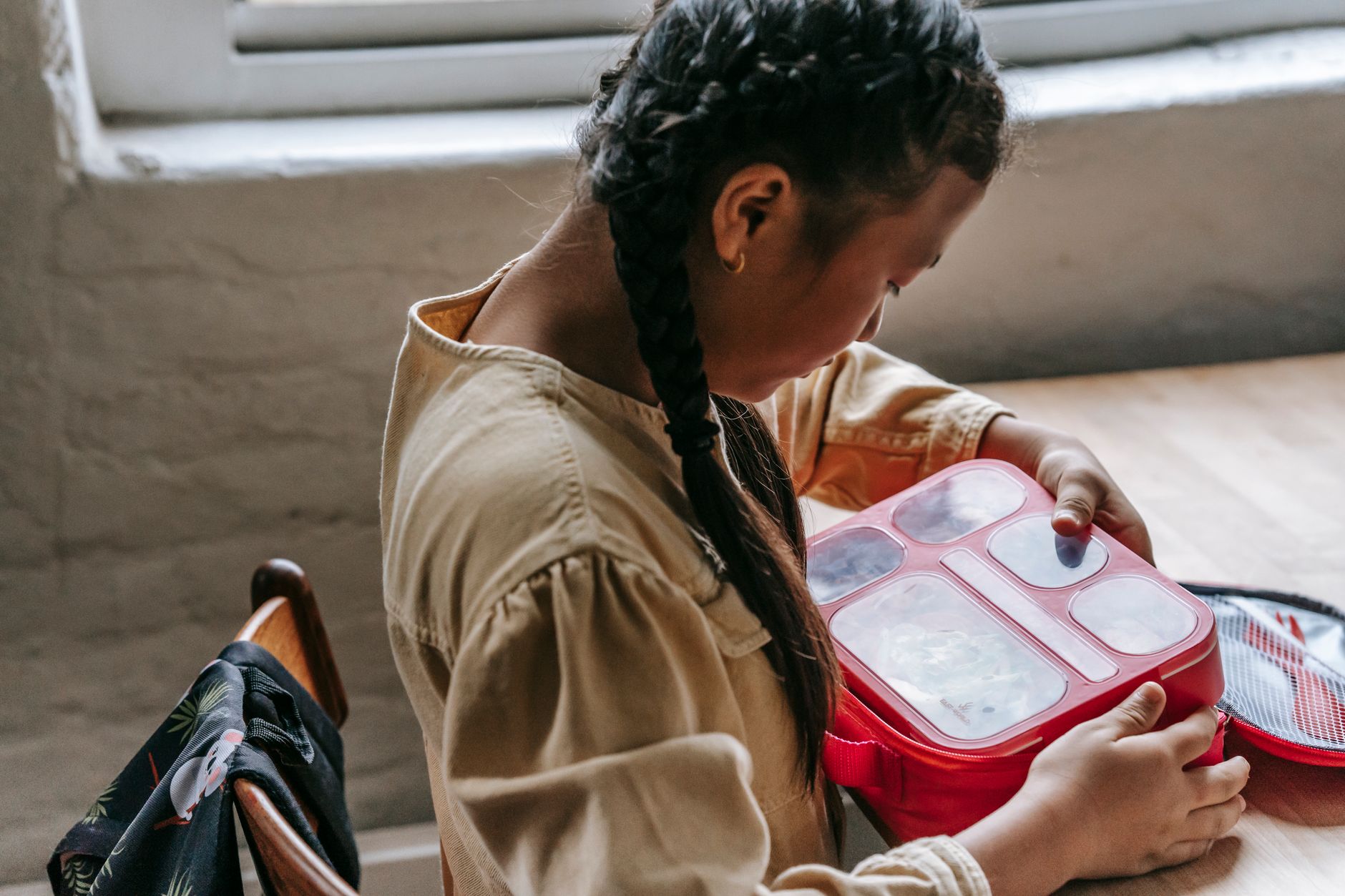
Myth: buying lunch only costs a little extra
It feels small because it is spent in small amounts. A sandwich here, a drink there, perhaps a pastry because the queue was long. Take an illustrative case: say you spend £6 on lunch in a town centre or city on a typical day. Over 220 working days that comes to £1,320 a year. Say your packed lunch costs £2.50 to make. That is £550, leaving you about £770 better off.
Supermarket meal deals can bring the shop-bought figure down, and your own numbers will differ. The sensible approach is to track a week of lunches, add them up and multiply. Most people find the total more interesting than they expected, and a good deal more than they would have guessed.
Myth: a packed lunch means a sad sandwich
The sad sandwich is a failure of planning, not a law of nature. Britain has a long tradition of the well-built portable meal: the ploughman’s, the pork pie, the cheese and pickle doorstep, the cold sausage roll, the Cornish pasty. These were designed to be eaten away from a kitchen table, and they still do the job.
The test for any packed lunch is simple. It should survive a few hours in a bag, and it should be as good cold or at room temperature as it is warm. Here are some dependable options:
| Lunch | Why it travels well | Small tip |
|---|---|---|
| Ploughman’s box: cheese, pickle, apple, boiled egg, crusty bread | Nothing wilts, nothing needs heating | Pack the pickle in a small pot |
| Pasta salad with pesto, roasted vegetables and feta | Tastes better after a few hours | Add rocket just before eating |
| Spanish tortilla or cold frittata | Firm, sliceable, good at room temperature | Cut into wedges the night before |
| Leftover curry, chilli or stew with rice | Free if you cook a double portion for dinner | Needs a microwave, or a wide-mouthed flask |
| Soup in a flask | Hot at one o’clock, no kitchen needed | Preheat the flask with boiling water |
| Couscous with chickpeas, herbs and lemon | Needs only a kettle to make | Season it more than seems necessary |
Packed lunch ideas UK adults can build in ten minutes
The habit sticks when it is lazy in the right ways. Cook double at dinner and box the extra portion while the kitchen is still out. Roast a tray of vegetables on Sunday and use it in three different lunches: stirred into pasta, tucked into a wrap with hummus, piled on toast with goats’ cheese. Keep a few reliable staples in the cupboard, such as tinned fish, pulses, couscous and good bread.
If you want a formula, aim for something filling (grains, bread, potatoes, eggs), something fresh (raw veg, fruit, a crunchy salad) and one small treat. The treat matters. A square of decent chocolate or a proper flapjack turns a packed lunch from obligation into something you look forward to.
Myth: it takes too long
It takes less time than the walk to the sandwich shop and the queue once you are there. Assembly is the quick part. The real saving comes from deciding the night before, so you are not making a half-asleep choice at 7.30 in the morning.
If evenings are chaotic, batch it. Make a large pot of soup or chilli on Sunday, portion it into containers and freeze some. Two or three days of lunches then take care of themselves. A good set of leakproof containers and an insulated bag are the only kit worth buying, and both pay for themselves quickly.
How do you keep a packed lunch safe and fresh?
Keep it cold. Use an insulated bag with an ice pack, and put it in the office fridge if you have one. The Food Standards Agency publishes guidance on chilling and storing food at food.gov.uk, and its advice on cooked rice is worth knowing: cool it quickly, ideally within an hour, and get it into the fridge rather than leaving it on the worktop.
Sogginess is easier to beat than most people think. Keep dressings in a separate small pot, pack tomatoes and cucumber apart from bread, and wrap sandwiches in baking parchment rather than cling film so they breathe. A layer of lettuce or a smear of butter against the bread stops fillings seeping in.
Myth: you will miss the lunch break
This is the objection I have most sympathy for, because going out for lunch can be a pleasure. But the break and the purchase are not the same thing. A packed lunch frees you to take the break somewhere nicer than a queue: a bench in the park, a stretch by the canal, a library reading room. We have written before about why more Britons are taking their lunch break seriously again, and a packed lunch fits that idea well. The food is sorted, so all that is left is the hour.
There is also a gentler pleasure in it. Lunch you have made yourself says that someone, even if it is just you, thought about your day. It is a small kindness to yourself, repeated five times a week.
Where to start this week
Pick two days, not five. Decide what you will make tonight, put a container on the side so you cannot forget it, and write down what you would have spent buying lunch on those days. At the end of the week, compare the two figures and see which version of lunch you enjoyed more. If it was your own, add a third day next week.
Frequently Asked Questions
How much can you save by taking a packed lunch to work?
It depends on what you currently spend. If you buy lunch at around £6 and make your own for £2.50, you save £3.50 a day, which is roughly £770 over 220 working days. Track a week of real spending to get your own figure.
What packed lunch ideas work without a microwave?
Anything that is good cold or at room temperature. Ploughman’s boxes, pasta salads, couscous with chickpeas, tortilla, wraps and well-built sandwiches all work. A wide-mouthed flask also keeps soup or stew hot until lunchtime.
Is it safe to eat a packed lunch without a fridge?
It can be, if you keep it cold in an insulated bag with an ice pack until you eat it. Be most careful with cooked rice, meat, fish and dairy. The Food Standards Agency has guidance on chilling and storing food.
How do you stop sandwiches going soggy?
Keep wet ingredients apart from the bread. Pack tomatoes, pickles and dressings in separate pots, add a layer of butter or a lettuce leaf against the bread, and wrap the sandwich in baking parchment so it can breathe.
Can you prep packed lunches for the whole week?
You can prep most of them, but cook in batches and freeze portions rather than keeping everything in the fridge all week. Soups, stews, curries and pasta dishes freeze well. Fresh items like salad leaves are best added on the day.



Leave a Reply